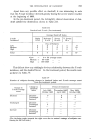
616 JOURNAL OF THE SOCIETY OF COSMETIC CHEMISTS fully by Malassez (3), was the subject of an extensive study by Martin- Scott (4), who characterized it as an asporogenous, non-mycelial yeast. He was able to culture P.ovale from 54.5% of normal scalps and 45.7% cases designated as exhibiting lesions of pityriasis capitis, but he failed to obtain positive cultures in 15 attempts on acute seborrhoeic dermatitis lesions his final conclusion was that P.ovale was a non-pathogenic saprophyte. However, since dandruff is clearly a disorder of low-grade pathogenicity and the culture of P. ovale is not at all easy by published methods, it seemed worthwhile to carry out further studies. One route by which an indication of the possible role of P.ovale might be studied would be to see whether dandruff was resolved when this organism was eliminated from the scalp. We therefore initiated a panel test accord- ing to our clinic routine with concurrent cultural studies and we tried to reduce the level of infection radically. This required an effective dis- 5nfection of the scalp along with a quantitative sampling routine and a !good recovery technique for P. ovale. Results were not as conclusive as -we had hoped owing to incomplete removal of organisms from the scalp, but our methods may help other investigators to pursue such studies further. Recovery of P.ovale Cultural requirements peculiar to P.ovale may be summarised thus :-- {i) An abundant oxygen supply is essential. {ii) The optimum temperature for rapid growth is 37øC. (iii) Satisfactory growth is achieved over the range pH 5 to 7. (iv) A moist atmosphere and freshly-prepared medium are desirable. (v) A fat source is necessary for prolific growth, preferably with a dis- persing (emulsifying) agent. (vi) Antibiotics such as Penicillin and Streptomycin are necessary to prevent bacterial overgrowth. This can be achieved at concentra- tions which do not inhibit P.ovale. (vii) Cycloheximide up to 250 •g/ml is useful for retarding the develop- ment of mould spores, though it does not significantly inhibit P.ovale at this dilution. In the course of prolonged efforts to yield a substrate capable of giving maximal recoveries and typical colony growth, the following medium has proved satisfactory :-- P.ovale Culture Medium (H. Dixon's Formula) Supplier Malt extract agar Oxoid CM59 6% Ox-bile desiccated Oxoid L50 2%

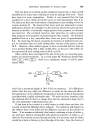
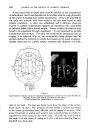
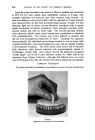
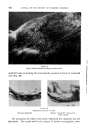
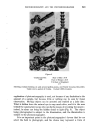
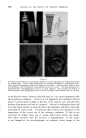
THE INVESTIGATION OF DANDRUFF 617 Tween 40 Honeywill-Atlas Ltd. 1% Glycerol mono-oleate ...... G930 0.25% $treptomycin sulphate Glaxo Labs. Ltd. 40 t•g/ml Cycloheximide Kingsley & Keith Ltd. or Upjohn Co. 250 t•g/ml Distilled water to 100% To prepare 1 l of medium. To 60 g malt extract agar and 20 g ox-bile desiccated, add nearly 1 l of distilled water. Dissolve the ingredients with gentle heat, stirring con- tinuously. When completely dissolved, add 10 ml of Tween 40 and 2.5 ml of glycerol mono-oleate, mix thoroughly and adjust to 1 1 with distilled water. Distribute 100 ml aliquots in screw-capped bottles, and sterilize at 10 psig for 15 minutes. To prepare plates. Liquefy a 100 ml aliquot of the medium. Cool to 45øC and add 0-4 ml of 1% Streptomycin sulphate (aqueous solution), and 1-25 ml of 2% cyclo- heximide (aqueous solution). Distribute in standard petri dishes, 5 per 100 ml of medium. Leave the plates overnight at room temperature to evaporate surface moisture and store ready for use at 4øC. Discard after 7 days if unused. Figure 6 Macroscopic appearance of P.ovale colonies on Dixon's medium (upper left type was most prevalent in these studies).
Purchased for the exclusive use of nofirst nolast (unknown)
From: SCC Media Library & Resource Center (library.scconline.org)