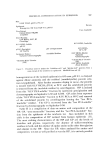
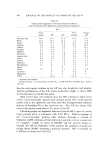
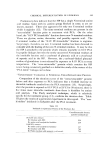
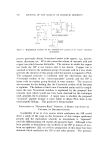
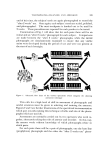
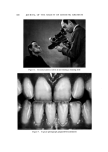
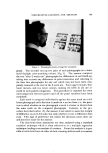
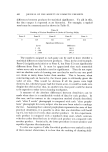
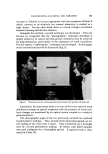
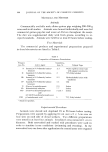
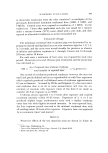
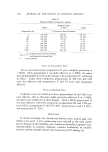
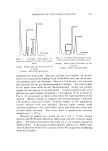
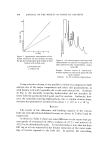
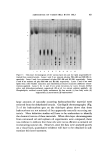
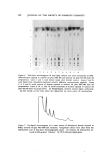
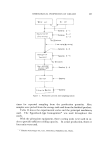
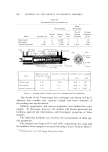
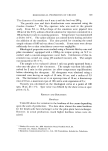
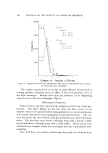
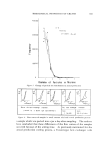
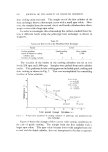
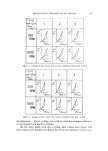
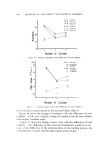
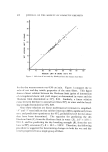
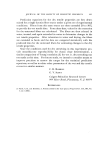
TOOTHPASTES--CLEANING AND ABRASION 599 end of this time, the subjects' teeth are again photographed to record the "after 2 weeks" use. Once again, each subject's teeth are scaled, polished, and photographed. The next toothpaste is handed out to be used for 2 weeks. These procedures are repeated for each product to be tested. Examination of Fig. 1 will show that for each paste there will be an initial and an "after 2 weeks" photograph for each subject. Comparisons are made between the "after 2 weeks" photographs, while the initial photographs are simultaneously examined to ensure that any visible stains were developed during the period of use and were not present at the start of each fortnight. Figure 1. Schematic flow chart of the various operations which cotnprise the cleaning assessment tcchnique This calls for a high level of skill in assessment of photographs and careful attention must be given to selecting and training the assessors. Figures 2 and 3 are further illustrations of the specialized instrumentation which goes towards making this technique reliable and also of the photo- graphs which are used (6). Assessments are normally carried out by two operators who work to- gether, alternately taking the roles of assessor and recorder. In this way, the assessor works without knowledge of which photographs relate to which paste. For each paste there will be a pair of photographs, one the base line (prophylaxis) photograph and the other the "after 2 weeks use" photo-

600 JOURNAL OF THE SOCIETY OF COSMETIC CHEMISTS t " "•.. :•..•4 '"• -..• Figure 2. Intraoral camera system in use during a cleaning trial Figure 3. Typical photograph prepared •or assessment
Purchased for the exclusive use of nofirst nolast (unknown)
From: SCC Media Library & Resource Center (library.scconline.org)