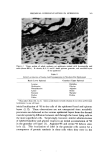
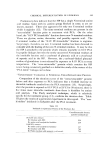
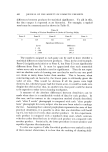
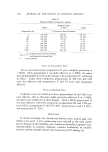
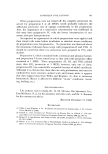
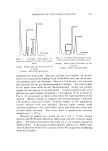
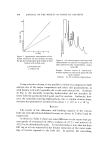
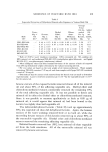
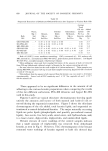
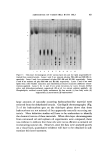
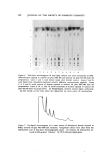
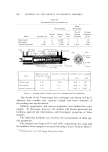
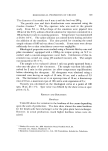
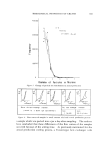
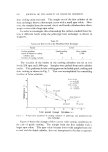
RHEOLOGICAL PROPERTIES OF CREAMS 633 Figure 8. Change of flow curves with various conditions with quick cooling •Number of •pee•linder Blades 2 2 2 sec-1 •. sec-1 sec-1 250 , RPM o o5 i ' o os, • o 05. T-' xll•d ¾ne•m2 xlO•y•c m 2 x l•dyn•2 2 2 2 S•C-1 • sec-1 s•c-1 1000 RPM o o.s • o o.s i o o.s • ß Figure 9. Change of flow curves with various conditions with slow cooling shearing stress. Quick cooling was noted to exert the strongest inltuence on the sample from the first cylinder. On the other hand, with slow cooling, spur values were lower, and these values were found to be almost free from the influence of the hum-

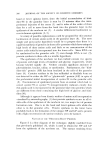
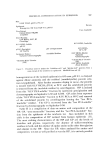
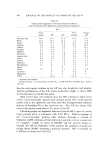
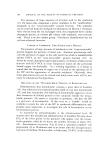
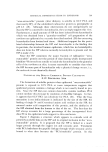
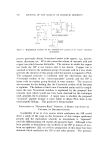
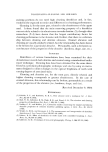
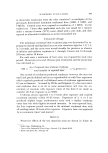
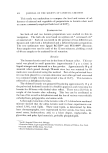
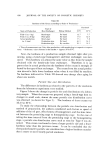
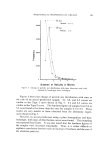
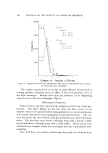
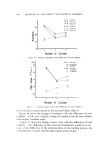
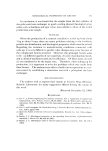
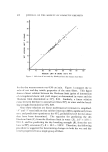
636 JOURNAl, OF THE SOCIETY OF COSMETIC CHEMISTS Dulck cooling • 250 rpm • -' 1000rpm • Slow cooling 30" • •o 250rpm r,• • -• 1000rpm '"' 211' 10- o, umber 0f Cylinder Figure 10. Change of hardness with difference of each cylinder xlO 4 1.6 1.0 0.8 Qu•ck cooling • 250 rpm *- -' 1000rpm • c001inrpm1000rpm250• - -o Number of Cylinder Fig'u•e I1. Change of spur value with difference of each cylinder her of cylin•tcrs tt•t the speed of the internal blades (Fig. 9). Figure 10 shows the changes in hardness with the difference of each cylinder. [n the case of quick cooling, the sample from the first cylinder I•:ttt a higher hardness value. t:igt•rc 11 shows the change of spur value with the difference of each cylinder. •l'he difference of this structural breakdown would occur be- c:tt•sc o1' the difference of the shearing stress in the cooling process, the cryst:tlliza• ion ot: waxes, and the high content of the oil part.
Purchased for the exclusive use of nofirst nolast (unknown)
From: SCC Media Library & Resource Center (library.scconline.org)