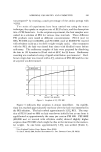
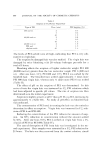
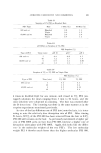
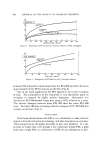
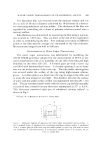
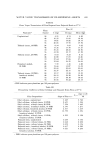
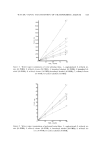
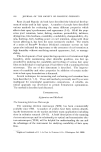
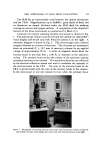
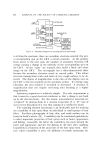
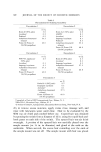
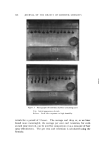
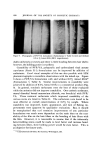
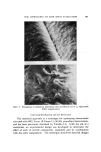
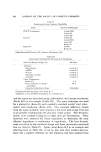
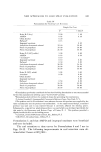
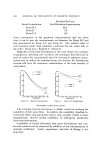
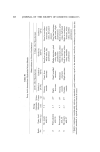
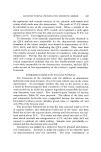
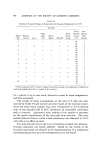
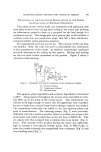
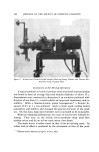
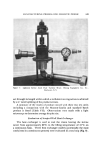
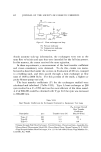
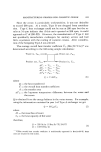
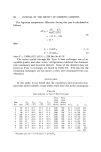
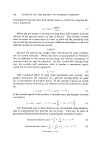
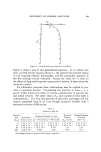
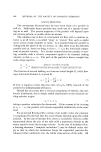
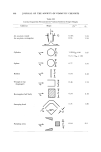
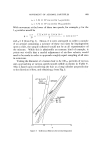
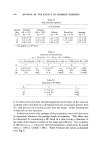
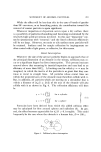
634 JOURNAL OF THE SOCIETY OF COSMETIC CHEMISTS Absolute Per Cent Resin Formulation Curl Retention Improvement Resin R-2 22.5 Resin D 5.0 Resin G-2 6.0 From examination of the graphical representations and the above data, it can be seen the improvements are dramatic for Resin R-2 and less pronounced for Resin G-2 and Resin D. The relative order of curl retention under high humidity conditions for the resins falls in the order: Resin G-2 •- Resin R-2 •- Resin D. Regardless of the basic formulation or the resin chosen for a number of properties, including curl retention, the technique described can be used to reduce the experimental time for arriving at optimum formu- lations and to reduce the manufacturing cost because the formulation selected will have the minimum concentration of the least number of components. •100 'r -' FORM. 6 '"" X•,• m FORM, 7 $ 90 [eo t- • 70 •' 50 o o!5 ,'.o ,'.5 ' 2.0 .5 $.0 TIME (HRS) Figure JO. Resin D formulations IOO [ ao _•70 [•o e. 50 0 8•.0 .... FORM. 6 -- FORM. 7 0.5 1.0 1.5 2.0 2.5 ZLO TIME (HR$) Figure 11. Resin G-2 formulations Summ^r¾ ^nI• Conclusions The scanning electron microscope is ideally suited •or studying the coatability of hair spray fihns. It confirms the coatability, bonding be- tween hair fibers, and appearance that is only partially visible at lower magnifications, thereby giving confidence to subsequent predictions from these observations. Coatability of typical laboratory hair spray formulations and com- mercial products can be improved by addition of low concentrations of nonionic surfactants. Luster, appearance, and lack of flaking is also improved.

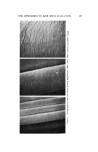
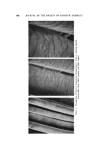
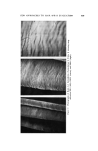
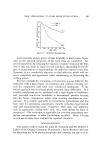
NEW APPROACHES TO HAIR SPRAY EVALUATION 635 Curl retention of hair sprays at high humidity is much more depen- dent on the physical properties of the resin than on coatability. Im- proved coatability, by reducing the viscosity or surface tension of the film, may or may not result in improved curl retention, depending on the de~ g•ee of plasticization or hygroscopicity the additives impart to the film. However, it is a worthwhile objective to find additives which will im- prove coatability and appearance while maintaining or improving the holding power. Previous methods for evaluating curl retention among different for- mulations with a high degree of confidence and without running con- trols for comparison each time were considered inadequate. A sta- tistical approach was developed which overcame these difficulties. It is reliable, conclusions can be validated with a high degree of confidence and, provided run-to-run variability is determined, permits keeping data for futhre comparisons rather than running simultaneous com- parisons. :It::is readily applicable to formulation optimization and has been used for optimizing concentrates, thereby reducing experimental time and manufacturing costs. Properties other than curl retention such as appearance, drying time, tack, etc., must always be kept in perspective. The technique is applicable for selecting propellants, pro- pellant concentrations, or other formulation variables. Work is being carried out in these areas and will be reported elsewhere. ACKNOWLEDGMENT The authors wish to thank Dr. John H. Fassnacht and Mr. Robert S. I,uksic of the Organic Chemicals Department's Freon Products Division for obtaining the SEM photomicrographs and carrying out the curl re-
Purchased for the exclusive use of nofirst nolast (unknown)
From: SCC Media Library & Resource Center (library.scconline.org)