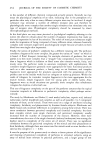
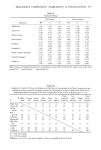
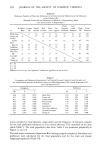
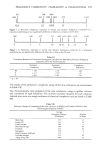
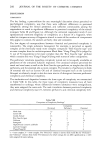
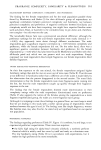
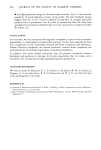
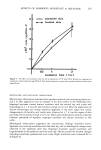
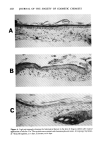
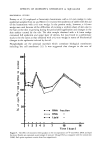
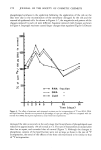
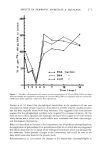
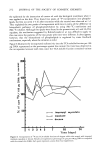
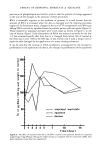
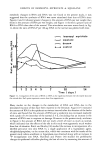
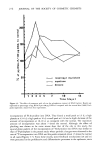
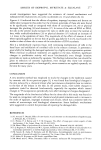
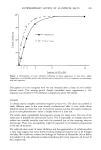
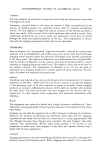
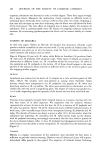
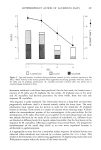
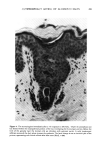
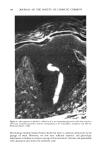
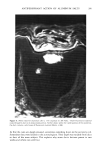
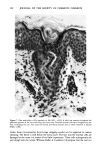
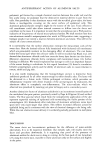
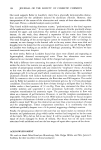
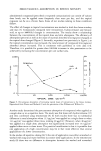
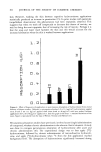
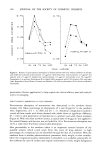
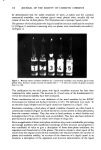
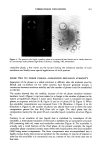
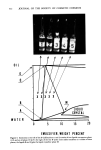
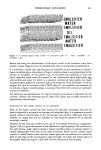
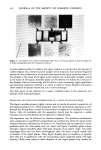
EFFECTS OF ISOPROPYL MYRISTATE & SQUALANE 267 5 [ o--.-o untreated skin ©--© treated skin N 3 E o 2 0.5 I 2 incubation time (hrs) Figure 3. The effect of incubation time on the incorporation of 32p into DNA. Results are expressed as counts per minute (cpm) per/2g DNA-P. Each point represents a mean with standard deviation from three experiments. MACROSCOPIC AND HISTOLOGIC OBSERVATIONS Macroscopic observations indicated that squalane induced only minimal erythema at 2 and 6 hr after application but no changes in the skin surface in the following days. Isopropyl myristate caused distinct erythema until the second day and crusta and hemorrhage at 3-7 d, but the skin became normal at 10-14 d. After the application of decane hemorrhage and strong erythema appeared in the early stage, and crusta, disappearance of elasticity and cracks were observed at 3-7 d, but the repair of skin proceeded to be almost normal at 10-14 d. These gross observations indicated that the irritation potentials of.squalane, isopropyl myristate and decane increased in this ordbr. Histological observations supported the macroscopic findings described above. $qualane only induced acanthosis until the third day and no histological changes were observed in the epidermis after that. Isopropyl myristate caused acanthosis and hyperkeratosis in the epidermis until the tenth day. Decane caused the severest changes including acanthosis, parakeratosis and crusta. Slight acanthosis was continued for 14 d (Figure 4).

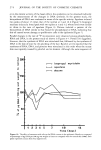
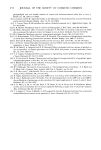
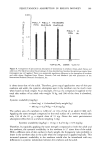
268 JOURNAL OF THE SOCIETY OF COSMETIC CHEMISTS Figure 4. Light micrographs showing the histological feature in the skin of Angora rabbits after topical application of oils for 1 hr. The sections were stained with hematoxylin and eosin. A) isopropyl myristate, at 7 days, B) squalane, at 3 d•ys, C) decane, at 14 days.
Purchased for the exclusive use of nofirst nolast (unknown)
From: SCC Media Library & Resource Center (library.scconline.org)