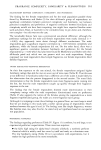
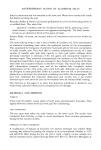
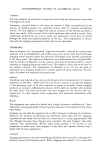
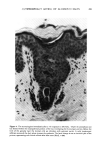
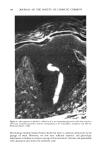
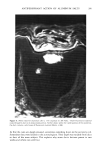
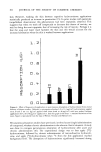
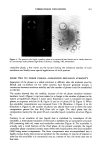
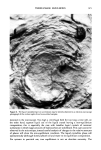
ANTIPERSPIRANT ACTION OF ALUMINUM SALTS 291 •. •. ,• ...• .. -• •'. ...... •:_•.: • ...... .•.- , ' '2- . =.. --. •. •: .• . •. Figure 6. Morin stain for aluminum after a 24-hr exposure to 20% AICI• - 6H•O. Fluorescent material coats the patent duct in its intracorneal portion. Further down, within the viable portion of the epidermis, the duct contains a solid mass of fluorescent material (Morin, x400). At first the casts are deeply situated, sometimes extending down to the secretory coil. Sometimes they were limited to the acrosyringium. Their depth was variable from duct to duct of the same subject. This explains why some ducts become patent in two weeks and others not until four.

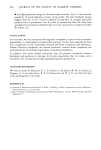
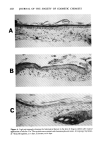
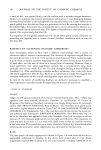
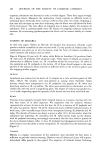
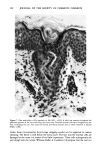
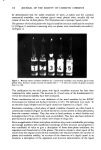
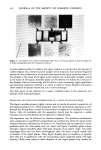
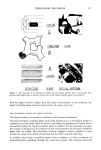
292 JOURNAL OF THE SOCIETY OF COSMETIC CHEMISTS Figure 7. One week after a 24-hr exposure to 20% AICI 3 ß 6H•O. A solid cast extends throughout the epidermal portion of the duct including the horny layer. Necrotic luminal cells have sloughed into the duct enveloping the cast. The usual sub-clinical peri-ductal reaction due to sweat retention is present (H&E, x 400). Under these circumstances Scotch-tape stripping would not be expected to restore sweating. The block is well below the horny layer. The fact that the luminal cells are damaged at the onset is a matter of no little importance. These cells subsequently die and slough into the lumen. Whereas Relier & Luedders (14) propose that the cast is a
Purchased for the exclusive use of nofirst nolast (unknown)
From: SCC Media Library & Resource Center (library.scconline.org)