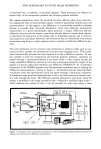
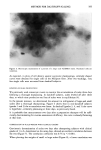
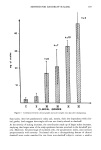
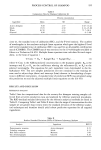
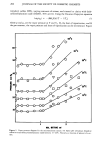
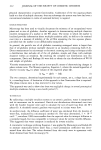
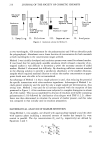
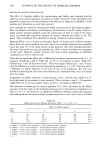
METHOD FOR DANDRUFF SCALING 187 n=3 4O 3O 20 10 n=8 n=7 n=10 'r • 'rrr 'm' -•- • CLINICAL GRADES Figure 7. Correlation between clinical grades and scale weights two days after shampooing. than scales, their low parakeratotic index and, mostly, their low dependence with clin- ical grades, both suggest that single cells are not closely related to dandruff. As the severity of scaling increases, the contribution made up of larger scales increases, implying that larger areas of the scalp epidermis become involved in the dandruff pro- cess. Moreover, the percentage of nucleated cells, the parakeratotic index, also increases proportionately with severity. Nucleated cells are a distinguishing feature of clinical dandruff since scales matched for size from non-dandruff subjects contain a smaller

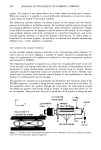
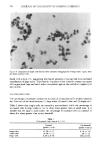
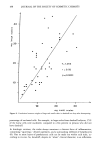
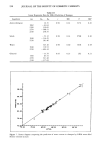
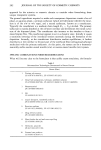
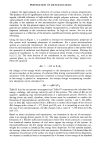
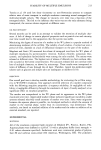
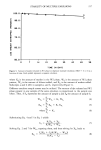
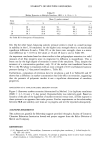
188 JOURNAL OF THE SOCIETY OF COSMETIC CHEMISTS 40 :30 20 ß Y=1.49X ß ß ß r =0.92 ß ß p o.oool i i ! 10 20 30 mg small scales Figure 8. Correlation between weights of large and small scales in dandruff two days after shampooing. percentage of nucleated cells. For example, in large scales from dandruff subjects, 25% of the horny cells were nucleated, compared to a few percent in persons who did not have dandruff. In histologic sections, the scales always surmount a discrete focus of inflammation, comprising "squirting," dilated capillaries, and a surrounding infiltrate of lymphocytes (8). One or more layers of parakeratotic cells can be made out within each scale, ac- cording to its size. So, dandruff, despite its "silent" clinical character, is an inflamma-
Purchased for the exclusive use of nofirst nolast (unknown)
From: SCC Media Library & Resource Center (library.scconline.org)