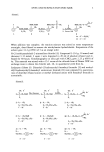
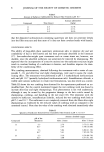
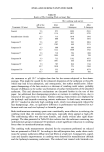
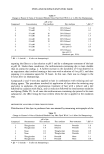
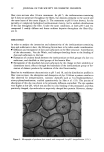
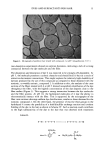
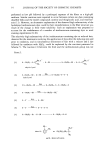
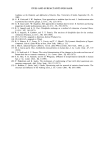
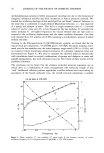
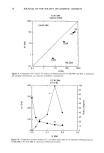
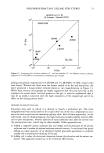
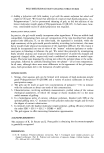
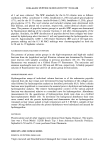
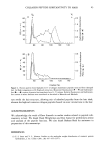
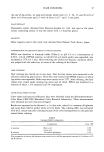
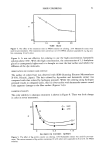
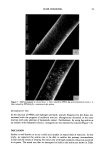
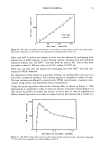
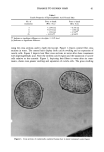
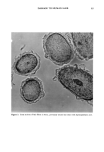
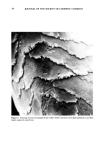
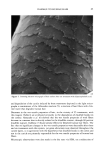
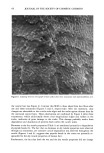
HAIR COLORING 5 3 0%,, ,:.-, ß i ' 7D Figure 7. SEM photograph of colored hairs. a: Hair colored by PPDA-Ag-zeolite-hamamelis extract. b: Hair colored by PPDA-H202, conventional dye system. MUTAGENICITY TEST In the reaction of PPDA and hydrogen peroxide, mutant frequency by the Ames test increased with the progress of oxidation reaction. Mutagenicity decreased in the same reaction with only addition of hamamelis extract. Furthermore, by using Ag-zeolite as an oxidant with hamamelis extract, mutagenicity was extensively reduced (Figure 14). DISCUSSION Zeolite is well known to act as a solid acid catalyst in many kinds of reactions. In this study, we expected the zeolite case to be able to oxidize the primary intermediates in hair dyes by means of keeping the metal ions with high oxidation-reduction potential in its pores. The metal ions that we attempted to hold in the zeolite are shown in Table

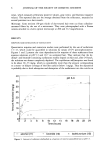
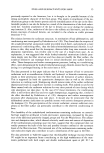
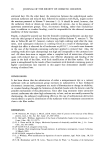
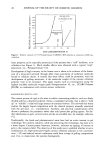
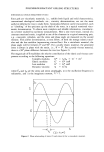
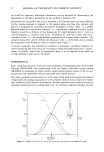
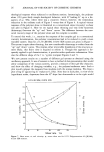
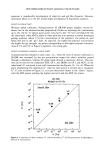
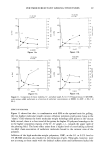
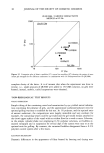
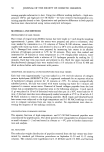
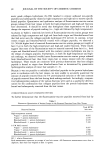
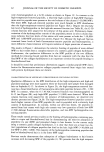
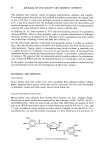
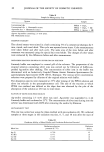
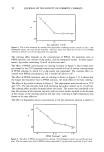
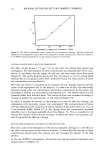
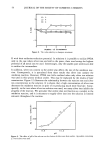
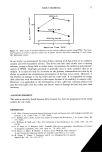
54 JOURNAL OF THE SOCIETY OF COSMETIC CHEMISTS O: L /%: a I I I Number of Treatment Figure 8. The color stability to shampoo treatment. II with their oxidation-reduction potential. In solutions it is possible to oxidize PPDA only in the case where silver ions are held in the pores, these ions having the highest potential of all metal ions we used. Interestingly, only the smaller-pore zeolites are able 'to oxidize the intermediate. In addition, silver ion content in the zeolite also affects the rate of the oxidation reac- tion. Consequently, it is speculated from these results that silver ions catalyze the oxidation reaction. However, PPDA was little oxidized when only silver ion solution was used in this system without zeolite. This may be explained by the results of later examination. Figure 12 illustrates the relationship between the reaction rate and silver ion concentration in the solution. It is shown that a high concentration of silver ions decreases the oxidation reaction in spite of its producing much more final dye. Conse- quently, in the case where silver ion solution was used, too many silver ions inhibit the progress of the reaction. We speculate that zeolite does not function as a catalyst in the oxidation reaction, and it is necessary to supply silver ions into the solution in limited amounts throughout the reaction. 400 200 / ..o/ø/ , ! I 8.0 10.0 Figure 9. The effect of pH of the solvent on the elution of silver ions from zeolite. Ag-zeolite containing 2.5 wt% silver was used.
Purchased for the exclusive use of nofirst nolast (unknown)
From: SCC Media Library & Resource Center (library.scconline.org)