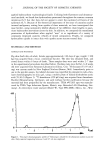
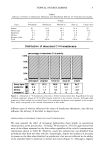
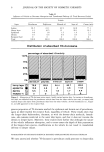
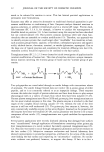
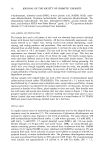
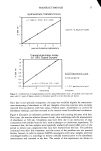
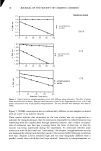
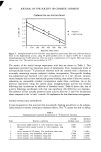
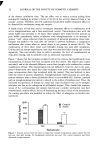
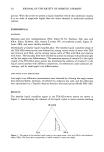
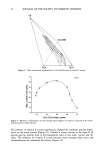
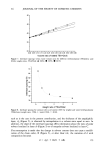
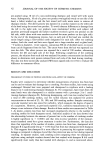
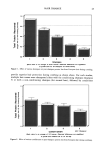
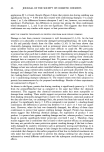
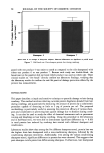
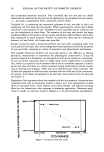
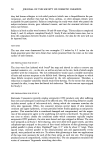
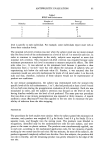
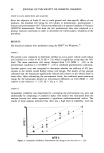
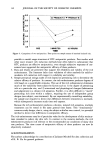
32 JOURNAL OF THE SOCIETY OF COSMETIC CHEMISTS WATER / / / / / / / TEA OLA Figure 3. Three-dimensional representation of the solubilization of vitamin E acetate. 60 40 •- 30 o 20 10 Figure 4 TEN (TEA+Water) (wt/wt) Figure 4. Maximum solubilization into the lameliar liquid (Figure 3) crystal as a function of the trieth- anolamine/warer weight fraction. The presence of vitamin E acetate significantly changed the interlayer spacing depen- dence on the water content (Figure 11). Vitamin E acetate content in the range 8-30 percent gave an increase both in the extrapolated value to zero water content and the slope. The influence by vitamin E acetate becomes much stronger when water and triethanolamine are considered the solvent (Figure 12).

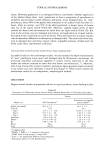
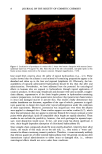
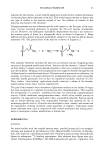
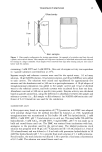
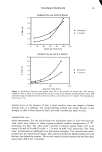
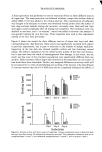
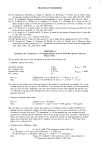
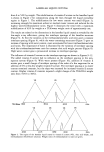
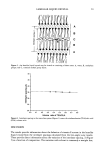
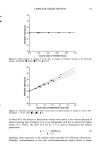
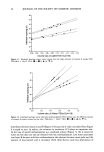
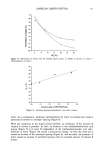
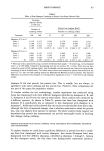
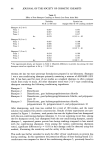
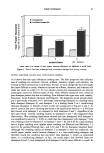
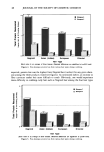
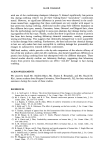
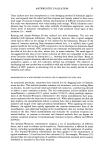
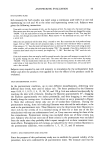
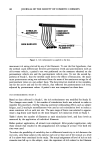
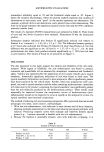
LAMELLAR LIQUID CRYSTAL 33 A B C B A Figure 5. the lamellar liquid crystal may be viewed as consisting of three zones: A, water B, methylene groups and C, terminal methyl group layers. 5O 45 • 40 • 35 • 30 25 20 i i o.o o.'• o.'• o.'• 0.4 o.'• o•6 o17 0.8 Volume ratio of TEA/OLA Figure 6. Interlayer spacing in the water-free system (Figure 1) versus the triethanolamine (TEA)/oleic acid (OLA) volume ratio. DISCUSSION The results provide information about the behavior of vitamin E acetate in the lameliar liquid crystal from the interlayer spacings calculated from the low-angle x-ray results. These provide direct information about the variation of the interlayer spacing, d (Figure 5) as a function of composition. The variation with solvent is commonly a straight line,
Purchased for the exclusive use of nofirst nolast (unknown)
From: SCC Media Library & Resource Center (library.scconline.org)