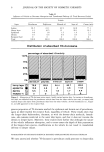
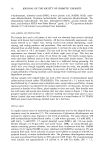
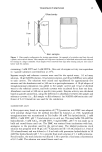
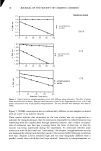
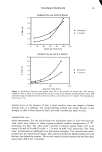
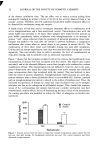
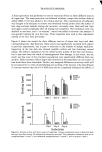
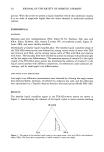
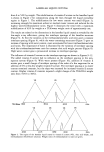
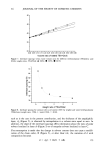
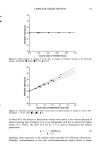
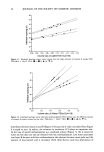
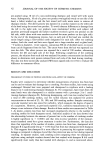
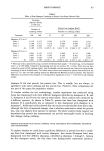
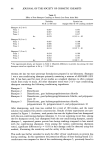
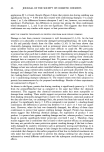
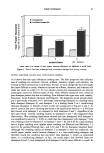
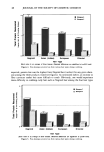
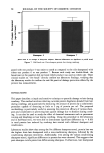
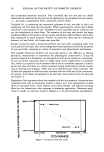
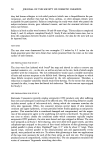
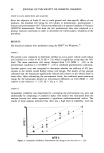
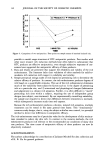
48 JOURNAL OF THE SOCIETY OF COSMETIC CHEMISTS [] Shampoo 6 [] Shampoo 5 ..:. Negroid Asian (Indian) European Oriental Hair Type (Each valua Is an avarage of three tresses. Observed differences are significant at p=O.05 level). Figure 4. Post-shampoo protein loss from various hair types during combing. expected, protein loss was the highest from Negroid hair (curliest) for any given sham- poo among the three products tested (see figures). As mentioned earlier, an increase in fiber curvature makes hair more difficult to comb. Obviously, one would experience more difficulty in combing curly hair such as Negroid hair among the four hair types -5-5-5-5-5 • '" -5-5-5-5-5 o • [] Shampoo 7 [] Shampoo 5 Negroid Asian (Indian) European Oriental Hair Type (Each value is an. average of threa tresses. Observed differences are significant at p=O. 05 lavel). Figure 5. Post-shampoo protein loss from various hair types during combing.

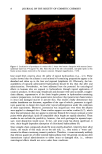
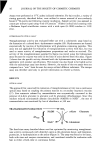
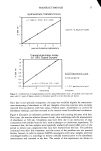
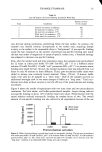
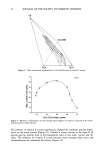
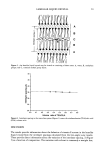
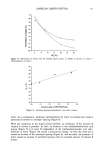
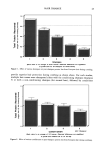
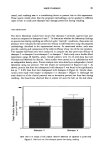
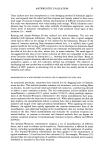
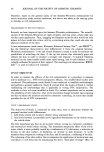
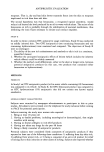
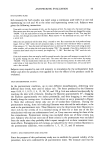
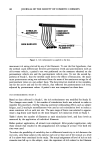
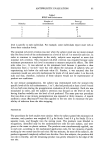
HAIR DAMAGE 49 tested, and combing ease is a contributing factor to protein loss in this experiment. These results clearly show that the proposed methodology can be applied to different types of hair to study post-shampoo hair damage protection during combing. HALF-HEAD TESTS The above laboratory studies have shown that shampoo 5 provides superior hair pro- tection as compared to shampoos 6 and 7. To determine whether the laboratory findings on protein loss during combing are reflected under "real-life" conditions, these same test products were evaluated for hair protection efficacy in half-head tests using the proposed methodology described in the experimental section. As mentioned earlier, such tests provide a side-by-side comparison of the relative efficacy of any two of the test products. Two separate half-head tests were conducted to compare the hair protection efficacy of shampoo 5 vs shampoo 6 and shampoo 5 vs shampoo 7. Each study was a double-blind experiment using 40 healthy, adult, female subjects with 16-24-inch-long hair (see Materials and Methods for details). These studies were carried out in collaboration with an independent beauty salon. Protein analysis tests were done by an independent clinical laboratory using our protocol. The test results are summarized in Figures 6 and 7. As shown, protein loss from hair shampooed with shampoo 5 was found to be significantly less (p = 0.05) than from hair shampooed with shampoo 6 (Figure 6). Similar obser- vations were made with respect to shampoo 5 vs shampoo 7 (Figure 7). Although the main objective of the clinical protocol was to determine protein loss from hair during combing, the beauticians observed that in almost all cases the hair on the side sham- 100o 0 • o Shampoo 5 Shampoo 6 (Each value Is an average of forty subjects. Observed differences are significant at p=O.05 level) Figure 6. Half-head test: Post-shampoo protein loss during combing.
Purchased for the exclusive use of nofirst nolast (unknown)
From: SCC Media Library & Resource Center (library.scconline.org)