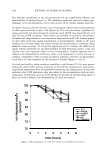
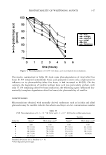
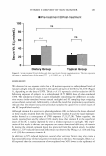
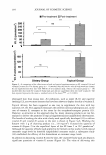
J. Cosmet. Sci., 55, 177-187 (March/April 2004) Delivery of vitamin E to the skin by a novel liquid skin cleanser: Comparison of topical versus oral supplementation AMIR TAVAKKOL, ZEENAT NABI, NADIA SOLIMAN, and THOMAS G. POLEFKA, Colgate-Palmolive Company, 909 River Road, Piscataway, NJ 08855. Accepted for publication January 26, 2004. These studies were presented in part at the Annual Meeting of the Society for Investigative Dermatology, Washington DC, 2000. Synopsis Topical supplementation represents an attractive approach to mitigate environmentally induced deficiencies of skin vitamin E (a-tocopherol). We report here the impact of natural sunlight on stratum corneum (SC) vitamin E and also compare the effectiveness of dietary supplementation to topical application as a way to increase vitamin E in the superficial layers of the SC. The effects of natural sunlight, 30 minutes of midday sunlight, were measured on two separate occasions. Vitamin E in the surface layers of the SC was measured by HPLC after ethanol extraction. Under these relevant conditions, vitamin E in the superficial SC was reduced in a dose-dependent manner by 50-65%. In a followup study, panelists entered into a randomized, double-blind, vehicle-controlled study. In this study, one group washed their skin once daily for one minute with a commercially available body wash containing 0.15% vitamin E and 0.10% vitamin E acetate, while the second group used a body wash without vitamin E but also supplemented their diet with 400 IU a-tocopherol (18x RDI). Not surprisingly, only dietary supplementation increased serum vitamin E (-two fold). Although both treatment modalities increased SC vitamin E, topical delivery was significantly more effective (53-fold vs baseline) than dietary delivery (eightfold vs baseline). Moreover, only topical delivery increased SC vitamin E acetate (19-fold vs baseline). The results reported here indicate that vitamin E in the superficial layers of the SC is depleted readily by even a brief exposure to sunlight and that use of a vitamin E body wash can substantially increase the vitamin E in this superficial layer more effectively than dietary supplementation. INTRODUCTION Due to its constant exposure to various environmental factors (i.e., UV radiation, air pollution, and other oxidants), the skin is susceptible to oxidative stress. Oxidative stress occurs when the number of pro-oxidant species exceeds the number of antioxidant The current address of Amir Tavakkol is Novartis Pharmaceutical Corporation, 1 Health Plaza, East Hanover, NJ 07936-1080. Address all correspondence to Thomas G. Polefka. 177

178 JOURNAL OF COSMETIC SCIENCE species. For the skin, the consequences of this imbalance include inflammation, photo toxicity, loss of function, accelerated aging, and skin cancer (1,2). As the first line of defense against noxious environmental factors, nature has endowed the skin with a sophisticated antioxidant defense system (3,4). Ascorbic acid (vitamin C) is the most abundant antioxidant in the epidermis (5,6). However, vitamin E (tocopherol) may be the most important because it is present in limited quantities, humans cannot synthesize it, it is readily depleted by UV radiation (7) and other oxidative stresses such as ozone (8), and it is the dominant antioxidant responsible for protecting the stratum corneum lipids from oxidation (9, 10). Since dietary intake represents the sole means of obtaining this critical nutrient, the Institute of Medicine of the National Academies recently increased the recommended dietary intake (RDI) levels from 12 mg to 15 mg per day for adults (11). Indeed, data from the Third National Health and Nutrition Examination Survey (12) suggest that approximately 27% of the adults in the US exhibit low serum a-tocopherol levels ( 20 µmol/liter). Since the correlation between diet and skin a-tocopherol levels is reasonably strong (13,14), one might infer from this study that the skin of these individuals may be deficient in vitamin E and underprotected against oxidative stress. One attractive solution to environmentally induced skin vitamin E deficiency is topical supplementation (15,16). Indeed, numerous consumer products claim to deliver vitamin E (and other ingredients) to the skin. However, clinical evidence supporting these claims is limited to several studies at best (17-21). Not surprisingly, consumers are even more skeptical when cleansing products claim to deliver an ingredient (22), largely because these products were designed to remove soil. In this report we show that a brief exposure to natural sunlight depletes stratum corneum vitamin E, creating a functional deficiency. Moreover, we provide clinical evidence to document the performance of a newly developed cleansing product that delivers more vitamin E to skin than could be achieved through dietary supplementation with a vitamin E tablet. SUBJECTS AND METHODS STUDY OBJECTIVES The primary objective of this research was to determine the impact of natural sunlight on vitamin E in the superficial layer of the stratum corneum (SC) and to determine if a skin cleansing product containing vitamin E delivered more vitamin E to the skin than dietary supplementation. All protocols were reviewed internally by a protocol review committee and when necessary were reviewed and approved by an external IRB (Con cordia Research Laboratories, Cedar Knolls, NJ). SUBJECT POPULATION AND STUDY DESIGN Female subjects, ages 38-61 years (mean 48 years), with no known allergies, preexisting medical (i.e., pregnancy/nursing, hypertension, diabetes, etc.) or active skin conditions (i.e., skin cancer, acne, psoriasis, atopic dermatitis, etc.) were eligible for entry. In addition to the above requirements, participants in the sunlight exposure study also met
Purchased for the exclusive use of nofirst nolast (unknown)
From: SCC Media Library & Resource Center (library.scconline.org)