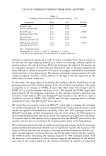
VITAMIN E DELIVERY BY SKIN CLEANSER 179 the following requirements: They were Caucasians with moderate pigmentation (Fitz patrick skin types II-III), and successfully completed a physical examination by a board certified dermatologist. Last, but not least, all panelists agreed to avoid excessive expo sure to the sun and to use only the products (cf. below) provided to them by the study monitor. All subjects underwent one week of preconditioning (normalization) with commercially available cleansing products that lacked vitamin E or vitamin E acetate (or any esters of vitamin E) and were entered into the studies after they had satisfied all inclusions/ exclusions. EFFECTS OF SUNLIGHT ON VITAMIN E IN THE SUPERFICIAL SC Forearms were exposed to 30 ± 1 minutes of midday sunlight in Somerset County, NJ (latitude 40° north) in August and in a second study in October 2000. All subjects faced south (180° from magnetic north using a certified compass). The relative proportions of UVB/A were determined using a radiometer (UVP, Inc., San Gabriel, CA) fitted with 310-nm and 365-nm probes. Six measurements were taken between 11AM and 2PM and used to calculate a mean solar irradiance value. Prior to exposure, an unexposed control site close to the flex was extracted to obtain baseline vitamin E values (time = 0 h). This site was then covered with aluminum foil and wrapped loosely with surgical gauze. The other forearm was left uncovered, and both forearms were subsequently exposed to sunlight. After 30 ± 1 minutes of exposure but prior to vitamin extraction (described below), an expert grader evaluated each site for erythema using a five-point scale (0 = no redness to 4 = fiery red). TOPICAL VERSUS DIETARY SUPPLEMENTATION To determine which of two modalities, oral supplementation or topical application, was more effective in increasing vitamin E in the superficial SC, 21 healthy female subjects (ages 18-55) were enrolled in a double-blind, vehicle-controlled study and divided into two groups: topical (n = 11) and dietary (n = 10). The topical group was washed with the vitamin E body wash, whereas the dietary group was washed with a matched vehicle body wash that did not contain vitamin E or vitamin E acetate. In addition to having their forearms washed with the placebo cleanser, subjects in the dietary groups were given a vitamin E tablet (400 IU a-tocopherol) to be taken orally each day for 11 days, including one Saturday and Sunday that fell between the two work weeks in the study (Table I). In the topical group, the forearms were not washed on that Saturday and Sunday. Both groups continued using the preconditioning products (i.e., products lack ing vitamin E and vitamin E acetate) provided to them during this time. Skin and blood samples were collected for vitamin analysis prior to any treatment on day 1 and imme diately after dietary supplementation or washing the skin with the test product on day 11. SKIN WASHING PROCEDURE The appropriate sites on the forearm skin were washed once with the body wash vehicle or vitamin E body wash (cf. below). Trained technicians wearing polyethylene gloves

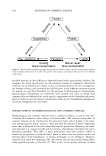
180 JOURNAL OF COSMETIC SCIENCE Table I Comparison of Topical or Dietary Activity: Which Modality Delivers More Vitamin E and Vitamin E Acetate to the Skin? Conditioning period Baseline sampling Treatment period Final sampling Day no. Activity -7➔0 1 ➔ 11 11 Dietary Subjects use Skin and blood Daily use of vehicle Skin and blood group products lacking BW sampling vitamin E and Shampoo without immediate! y after vitamin E acetate vitamin E vitamin Daily 400 IU supplementation O'.-tocopherol Topical Subjects use Skin and blood Daily use of Skin and blood group products lacking Vitamin E BW sampling vitamin E and Shampoo without immediate! y after vitamin E acetate vitamin E washing with test No vitamin E product supplement performed the washes. One gram of product or vehicle was applied to the prewetted forearm (yielding a dosage level of 3.8 mg/cm2) (23) and gently massaged (lathered) for one minute over the entire surface of the forearm. The forearm was rinsed under running water (3 5 ° C) for 15 to 20 seconds and allowed to air dry for two to three minutes. VITAMIN RECOVERY AND ANALYSIS After completing all clinical and biophysical assessments, the test sites were extracted and analyzed for vitamins. Briefly, a technician placed a 7.5-cm2 hollow glass cup (Crown Glass Co., Somerville, NJ) on each site and applied 1 ml of ethanol into the cup. Using a glass rod, the skin was gently rubbed for one minute, and the extract of the SC was transferred into a precoded vial. This extraction procedure was repeated three times. The extraction solutions were pooled and stored at -20°C until analysis. In the sunlight exposure studies, skin sampling was performed after the skin had acclimated to normal room temperature for 15 to 20 minutes (70° 2°C) and relative humidity (RH 45-55%) and sweating had subsided. Prior to extraction, a technician gently blot-dried the forearm skin with a paper towel. In the study comparing oral to topical supplementa tion, blood was drawn by a registered nurse and prepared for vitamin E analysis accord ing to published methods (24). All samples were centrifuged, and the supernatant was transferred to another vial and evaporated to dryness under a stream of N2 before being redissolved in 0.5 ml of methanol:isopropanol:butanol (70:20: 10). Vitamin E (a-tocopherol) and vitamin E ac etate (a-tocopheryl acetate) were quantified by HPLC using an Ultracarb™ 5µ-ODS 20 column (100 x 4.6 mm, Phenomenex®, Torrance, CA) eluted with a mobile phase composed of methanol:isopropanol:butanol (75:20:5) at a flow rate of 0.75 ml/minute and detected with a Waters UV-VIS model 484 detector (Millipore, Milford, MA) set
Purchased for the exclusive use of nofirst nolast (unknown)
From: SCC Media Library & Resource Center (library.scconline.org)