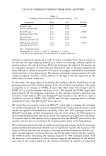
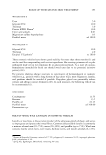
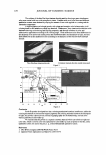
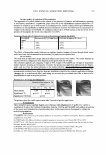
2003 ANNUAL SCIENTIFIC MEETING 217 IMPROVING ANTIFUNGAL ACTIVITY OF ZINC PYRITHIONE THROUGH PARTICLE COATING TECHNOLOGY Diana T. Ciccognani1, Ph.D., George Polson•, Ph.D., David Lei1, Ph.D., Kevin DiNicola1, Richard Shalvoy1, Ph.D., Jorje Arresse2, Ph.D. and Gerald Pierard2, Ph.D. 1 Arch Personal Care Products, Cheshire, CT 2 University Medical Center Sart Tilman, Liege, Belgium Zinc pyrithione (ZPT) is an FDA approved antidandruff active that is highly insoluble and so generally sold as a dispersion product. It is known to be effective against many microorganisms including Malassezia sp., the lipophilic yeasts fowid on the scalp which are the major cause of dandruff. It was hypothesized that by adding an appropriate coating to the zinc pyrithione particles it might be possible to target the active at the Ma/assezia sp and enhance its chemical, physical and biological properties. Coating zinc pyrithione particles · Different techniques were used to make coated ZPT particles including powder coating, in-situ formation of coating materials in the presence of ZPT, in-situ formation of ZPT in the presence of coating materials and coating of ZPT in aqueous and solvent based dispersions. The resulting particles were fully characterized for activity and surface properties. Different types of coating were applied in the hope of imparting additional properties to the ZPT that could be useful to the various applications that this active is sold into. Table 1 shows the physical properties of some of these coated materials that were aimed primarily at the personal care industry. Table 1. ZPT was coated with lipophilic materials and the resulting products were fully characterized. Different processes were tried and ZPT in both powder and 48% dispersion forms were used in these experiments. Amino Stearyl Siliconyl Coating material Palm oil Lecithin silicone dimethicone Beeswax ZPT form used powder powder dispersion dispersion dispersion Coating content 11.7 7.5 4.0 3 3 (%) ZPT Assay (%) 85.8 90.0 32.0 30.l 27.3 Coating 35 15 35 33 thickness(A) - Particle size 7.44 13.41 0.48 0.46 0.49 (Dso, µm) Antimicrobial activity of coated ZPT There was a concern that some of these coatings might impede the activity of the zinc pyrithione. Zone of inhibition tests were carried out to determine whether the coatings had an adverse affect on the activity of the ZPT. These experiments clearly demonstrated that the coatings did not lower the bioavailability of the antifungal particles.

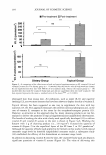
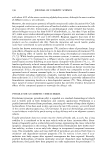
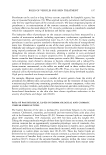
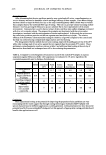
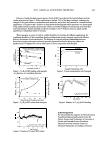
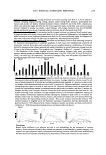
218 JOURNAL OF COSMETIC SCIENCE Comeofungimetry After determining that the zinc pyrithione particles were coated and still active, comeofungimetry, an ex-vivo bioassay was used to determine relative antifungal efficacy of these samples. Since these coatings had been chosen to target the Malassezia sp. on the scalp comeofungimetry offers a better way to evaluate these samples than by the traditional MIC type of testing. This test is a good pre-clinical screening method because it involves growing the Malassezia sp on a substrate that is more representative of its natural environment. Cyanoacrylate is used to harvest a layer of skin, and these skin surface strippings are treated with olive oil to simulate sebum. The prepared skin samples are then treated with the actives under investigation, inoculated with the microorganism of interest and incubated. In this study the actives were the coated zinc pyrithione particles and the test organism used was Malassezia furfur . The relative efficacy of the treatments is determined by looking for inhibition of growth compared to the controls and this data was collected using computerized image analysis and vital staining. The data generated by this method showed some coatings improved the antifungal activity of the ZPT while other coatings made it less active against the test organism than the uncoated ZPT control. These preliminary comeofungimetry results are shown in table 2 and additional data looking at the activity of t.liese actives formulated into a shampoo base will be shown during the presentation. Table 2. Comparative comeofungimetry bioassay test results for the coated ZPT samples in aqueous suspensions against Malassezia furfur. (All suspensions were adjusted to 1 % active ingredient, the concentration generally used in shampoo formulations) Saline Uncoated Palm Amino Stearyl Lethicin Siliconyl ZPT oil silicone dimethicone beeswax Coating material - - 11.7 7.5 4.0 3.0 3.0 (%) Median positive fungal cells# from 810 451 339 372 433 585 515 20 samples % killing compared - 44 58 54 47 28 36 to saline control Efficacy improvement. - 0 32 23 7 -36 -18 over uncoated control(%) Conclusion These experiments looking at the potential for improving the properties of zinc pyrithione are very encouraging and the results suggest that through coating technology a multitude of ZPT variants with special characteristics for different applications could be generated. In this presentation we have shown the potential benefits from an antidandruff standpoint but this approach of appropriatly coating particles should benefit other applications as well.
Purchased for the exclusive use of nofirst nolast (unknown)
From: SCC Media Library & Resource Center (library.scconline.org)