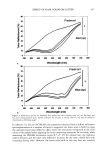
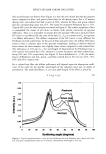
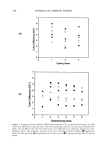
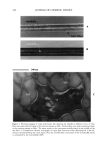
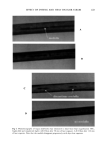
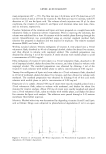
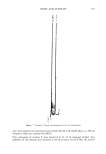
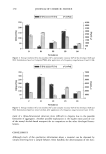
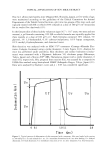
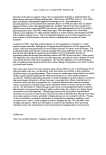
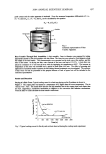
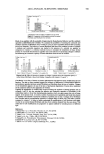
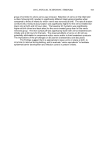
LIPOIC ACID STABILITY 457 Figure 7. Vitamin E: Typical chromatogram of the o/w formulations. time. Each solution was neutralized and suitably diluted with mobile phase in a 100-ml volumetric flask and examined by HPLC. Fifty milligrams of vitamin E were dissolved in 25 ml of isopropyl alcohol. Two milliliters of this solution were dissolved in 10 ml of water, 10 ml of HCI IN, and 10

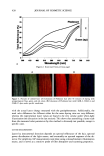
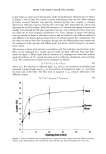
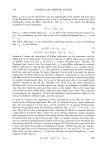
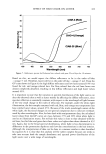
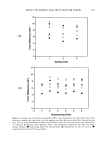
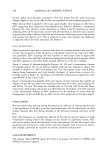
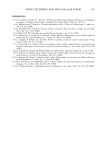
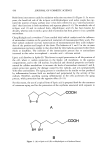
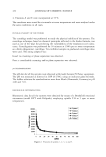
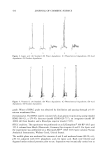
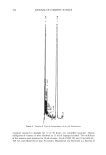
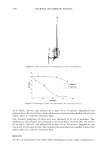
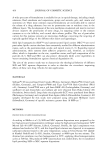
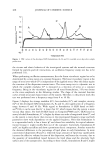
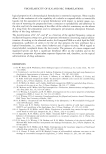
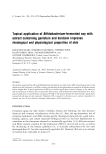
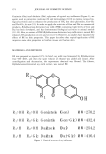
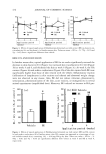
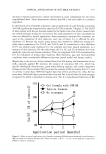
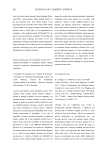
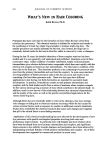
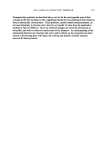
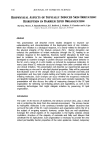
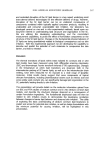
458 JOURNAL OF COSMETIC SCIENCE Figure 8. Lipoic acid: Typical chromatogram of the o/w formulations. 120 • 100 '• 80-i• _ 04- r 0 50 1 O0 150 200 time (days) Figure 9. Percentage of lipoic acid and vitamin A vs time in system 2. ml of H202, 100 vol., and refluxed for at least 10 or 30 minutes. Degradation was monitored as a function of time. Each solution was neutralized and suitably diluted with mobile phase in a 100-ml volumetric flask. One hundred milligrams of lipoic acid were dissolved in 25 ml of methanol. Two milliliters of this solution were dissolved in 10 ml of water, 10 ml of HC1 IN, and 10 ml of H202, 100 vol., and refluxed for at least 10 or 30 minutes. Degradation was monitored as a function of time. Each solution was neutralized and suitably diluted with mobile phase in a 100-ml volumetric flask. RESULTS All the o/w formulations were stable under centrifugation, with a slight modification in
Purchased for the exclusive use of nofirst nolast (unknown)
From: SCC Media Library & Resource Center (library.scconline.org)