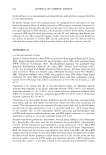
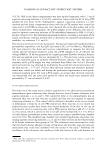
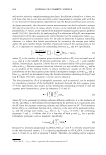
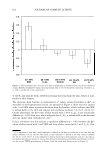
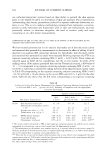
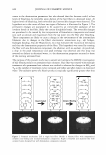
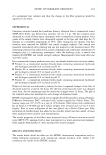
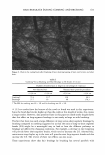
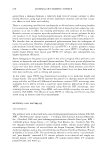
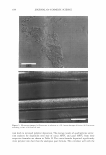
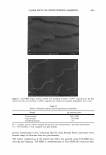
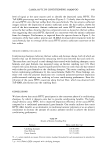
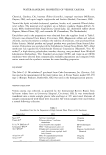
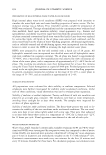
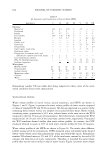
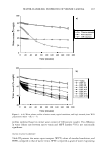
644 JOURNAL OF COSMETIC SCIENCE Figure 3. Microscopy images: (a) Coacervate in solution at a 10: 1 water:shampoo dilution. (6) Coacervate attaching to hair in a flow-cell unit. tion leads to increased polymer deposition. The average results of quadruplicate extrac tion analyses for deposition onto hair of cassia HPTC and guar HPTC from their respective formulas are shown in Table II. The cassia formula deposited significantly more polymer onto hair than the analogous guar formula. This correlates well with the

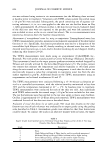
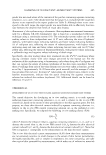
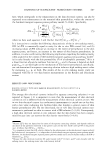
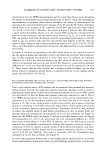
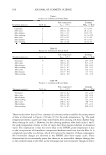
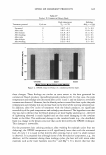
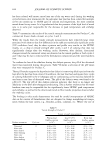
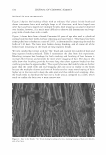
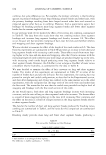
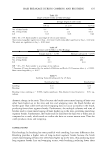
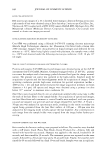
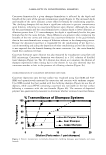
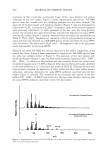
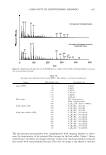
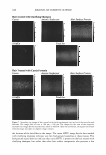
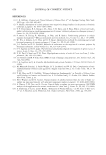
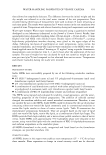
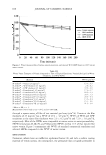
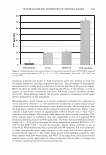
CASSIA HPTC IN CONDITIONING SHAMPOO 645 Figure 4. Cryo-SEM images: (a) Hair treated with clarifying shampoo, 10,000x magnification. (b) Hair treated with the cassia formula, 10,000x magnification. Deposition examples highlighted with circles. Table II Results of Polymer Analysis Following Extraction from Hair Sample Cassia formula Guar formula Clarifying formula µg polymer/g hair 294* (22%) 129 (19%) n.f. N = 3 samples percent relative standard deviation for each measurement is provided in parentheses. * p 0.05 (Student's t-test) compared with guar formula. percent transmittance curve, indicating that the cassia formula forms coacervates over a broader range of dilutions than the guar formula. The surface composition of the treated hair fibers was assessed using ToF-SIMS spec troscopy and imaging. ToF-SIMS is complementary to Cryo-SEM and extraction mea-
Purchased for the exclusive use of nofirst nolast (unknown)
From: SCC Media Library & Resource Center (library.scconline.org)