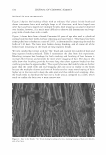
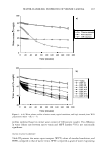
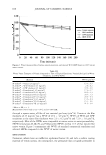
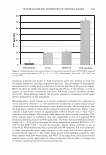
652 JOURNAL OF COSMETIC SCIENCE usually remains in the skin creases and hair of term newborn infants. However, it is absent in the very-low-birthweight premature infants. Low-birthweight preterm infants have a markedly immature epidermal barrier (4), demonstrating a thin and poorly formed stratum corneum. One of the most important problems due to this ineffective barrier function is the excessive water loss during the first few days following birth (5-7). High transepidermal water loss (TEWL) may lead to life-threatening problems, such as fluid and electrolyte imbalances and high evapo rative heat loss. Attempts have been made to reduce high TEWL in premature infants by the use of occlusive barriers such as hydrophobic polymer films or topical agents. A topical emollient containing petrolatum, e.g., Aquaphor®, is often applied in the nurs ery to retain moisture and to provide protection for immature skin. Such treatment has been reported to decrease TEWL and improve skin condition (8-10). However, a more recent study demonstrated an increased incidence of late-onset nosocomial infection secondary to coagulase-negative staphylococci in infants of 500-750 grams (11). There fore, the efficacy and safety of topical emollient use in this population has been ques tioned. A naturally occurring barrier cream, vernix caseosa, is a viscous whitish material syn thesized by the late gestational human fetus. It is a structurally simpler system than SC, comprised of a nonlamellar lipid matrix containing fetal corneocytes without cell-to-cell desmosome connections (12,13). Vernix has been described as a mobile-phase SC. Com positionally, vernix is mainly composed of water (80%), protein (9.1 %) and lipid (10.3%) (14). The lipid phase of vernix has been identified as a composition of sebaceous lipids and stratum corneum lipids (14,15). It provides a large quantity of slowly releas able water. Vernix has been shown to increase skin hydration and the water-holding capacity of treated skin, suggesting a moisturizing property (15,16). Additionally, ver nix films are semi-permeable to water vapor and provide water vapor transport in the range that facilitates barrier repair ( 17). Other properties of vernix include antioxidant (18), disinfectant (19-21) and natural skin cleanser (22) functions. Vernix may represent a system that would facilitate adaptation of the epidermal barrier at birth. Because of the multiple functions and unique water-handling properties (23), application of vernix may promote the development and restoration of premature or other compromised skin. However, natural vernix obtained from newborn infants is very limited in quantity. It is not feasible to topically apply vernix obtained from one infant to another because of the risk of infection. Therefore, there was a need for a new barrier cream based on native vernix as a prototype. The present study focuses on the development of barrier creams to simulate the water handling properties of native vernix (23 ). Barrier creams were prepared as high-water phase emulsions. Composition of the lipids and emulsifiers was selected based upon the results of emulsion stability testing and water-handling properties. The water release rate and water vapor transport rate were assessed using methods modified by our labo ratory (23). MATERIAL AND METHODS MATERIALS The raw materials and suppliers are as follows: light mineral oil and white petrolatum (Penreco, Dickinson, TX), lanolin (Amerchol, Piscataway, NJ), stearyl alcohol (Spectrum

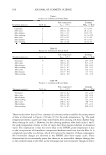
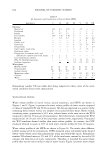
WATER-HANDLING PROPERTIES OF VERNIX CASEOSA 653 Chemical, Gardena, CA), beeswax (Fisher Scientific), isopropyl myristate (McKesson, Dayton, OH), and capric/capylic triglyceride and linoleic (Henkel, Cincinnati, OH). Vernix-like lipids included cholesterol, squalene, linoleic acid, ceramide III and choles terol sulfate. The materials and suppliers are as follows: squalene (Sigma-Aldrich, St. Louis, MO), cholesterol (Rita Corporation, Crystal Lake, IL), cholesterol sulfate (Acros Organic, Morris Plains, NJ), and ceramide III (Cosmoferm, The Netherlands). Emulsifiers used in the preparations were obtained from the suppliers listed in Table I. Glycerin was obtained from Emery (Cincinnati, OH). Magnesium sulfate and sodium chloride, used as electrolytes to enhance the stability of emulsions, were purchased from Fisher Scientic. Methyl paraben and propyl paraben were purchased from Sutton Labo ratories. Polysynlane was a product of the Collaborative Group (Stony Brook, NY). Alkyl methicone was supplied by Goldschmide Chemical Corporation (Hopewell, VA). N terface®, a high-density polyethylene interface dressing, was purchased from Winfield Laboratories (Richardson, TX). Standard oil-in-water (0/W) and water-in-oil (W/0) emulsions were selected from commercially available preparations and compared with native vernix and the synthetic versions for water-handling properties. EQUIPMENT The Cahn C-31 Microbalance® purchased from Cahn Instruments, Inc (Cerritos, CA) was used in the measurement of the water release rate. A Tissue Tearor, model 985-3 70 type 2 (Biospec Products, Bartlesville, OK) was used in the homogenization process. VERNIX COLLECTION Vernix caseosa was collected, as approved by the Institutional Review Board, from full-term infants born at University Hospital, Cincinnati, OH. It was immediately transf�rred into a sterile airtight plastic tube and kept at 4 °C until used. Portions of samples contaminated with blood were discarded. All vernix samples were used within a month following collection. Table I Emulsifiers Used for the Preparation of High Internal Phase Water-in-Oil Emulsions Emulsifiers Span 80® Tween 81 ® Si-Tee™ DMC3071 ® Cremophor WO7® Abil WE09® Arlacel P 13 5 ® Arlacel 83® INCi Sorbitan monooleate Polyoxyethylene 5 sorbitan monooleate Cetyl dimethicone copolyol PEG-7 hydrogenated castor oil Polyglyceryl-4-isostearate (and) cetyl dimethicone copolyol (and) hexyl laurate PEG-30 dipolyhydroxystearate Sorbitan sesquioleate Polyglyceryl-3-diisostearate Suppliers Uniqema Uniqema ISP Technologies BASF Degussa Goldschmidt Chemical Uniqema Uniqema
Purchased for the exclusive use of nofirst nolast (unknown)
From: SCC Media Library & Resource Center (library.scconline.org)