ABSTRACTS 525 Development of chitosan-coated \iposomes for sustained delivery of tamarind fruit pulp's extract to the skin M. Phetdee*, A. Polnok*,_ and J. Viyoch*,_,_ *Department of Pharmaceutical Technology, Faculty of Pharmaceutical Sciences, Naresuan University, Phitsanulok 65000, _HerbTech, Faculty of Pharmaceutical Sciences, Naresuan University, Phitsanulok 65000 and Cosmetic and Natural Product Research Center, Naresuan University, Phitsanulok 65000, Thailand Correspondence: Jarupa Viyoch, PhD, Department of Pharmaceutical Technology, Faculty of Pharmaceutical Sciences, Naresuan University, Phitsanulok 65000, Thailand. Tel.: +66 55 261000 4 (ext 1875) fax: +66 55 261057 e-mail: jarupav@nu.ac.th (or) jarupav@hotmail.com In this study, chitosan-coated liposomes were developed. To entrap lyophilized tamarind extract containing alpha hydroxy acids (AHAs) together with tartaric acid, the reverse phase evaporation method was used to obtain well formed liposomes loaded with the extract. The highest entrapment efficiency of 68.3 ± 3.0% into the liposomes was obtained with liposomes consisting of phosphatidylcholine and cholesterol in a molar ratio of2: 1 after the extrusion process. The average particle size of the prepared liposomes was 158 ± 26 nm showing a negative zeta potential of)6 mV. For the preparation of the chitosan coated liposomes, two selected independent parameters were varied: chitosan concentrations of 0 .1, 0 .5 and 1.0% w/v and volumes of the chitosan solutions of 1 2 and 3 mL to study the effects of such parameters on th� entrapmen� efficiency of the extract-loaded liposomes. Variation in the volumes of the chitosan solution did not affect the entrapment efficiency of the liposomes. However, the entrapment efficiency of the AHAs in the chitosan-coated liposomes significantly increased with increasing chitosan concentrations. The size of the chitosancoated liposomes was in the range of 200-300 nm with a positive zeta potential in the range of6--29 mV. An in vitro release study using dialysis technique was performed to evaluate the release profile of the tartaric acid from the chitosan-coated liposomes. The obtained results showed the effect of the chitosan-coated liposomes on the lower release rate and on the amount of tartaric acid in comparison with that of the uncoated liposomes. The study in an in vitro skin cell model indicated that the developed system could enhance the pot ential of tamarind's AHAs on the stimulation of human keratinocyte proliferation being two-fold higher than the solution of the tamarind extract. Analysis and quantification of parabens in cosmetic products by utilizing hollow fibre-supported liquid membrane and high performance liquid c hromatography with ultraviolet detection T. A. M. Msagati*, T. Barri, N. LarssonandJ. A0 • Jo"nsson *School of Chemistry, University of KwaZulu-Natal, Private Bag X54001 Westville Campus, Durban 4000, South Africa and Department of Analytical Chemistry, Lund University, PO Box 124, SE-221 00 Lund, Sweden Correspondence: Jan AO ke Jo"nsson, Department of Analytical Chemistry, Lund University, PO Box 124, SE- 221 00 Lund, Sweden. Tel.: +46 46 222 8169 fax: +46 46 222 4544 e-mail: jan ake.jonsson@analykem.lu.se A simple and direct method based on hollow fibresupported liquid membrane (HFSLM) extraction and liquid chromatography equipped with a UV detector was developed for analysis and quantification of parabens in cosmetic products. The parabens analysed included methyl, ethyl, propyl, isobutyl and butyl paraben. The HFSLM extraction was carried out by employing di-n-hexyl ether as organic liquid that was immobilized in the hollow fibre membrane. The HFSLM extraction is simple, cheap, minimizes the use of solvents and uses disposable material. In an investigation of 11 paraben-containing cosmetic products, the levels of parabens (sum of all parabens in a product) ranged from 0 .43% to 0 .79% (w/w) for skin care products, 0 .07-0.44% for hair fixing gels and 0.30-0.52% for soap solutions. The levels of individual parabens in individual cosmetic products ranged between 0.03% and 0 .42% w/w for skin care products, 0 .07% and 0.26% w/w for hair fixing gels and between 0 .11 % and 0 .34% w/w for soap solutions. Parabens were found in the highest concentrations in skin care products followed by soap solutions and the least amounts were found in hair fixing gels. Of the paraben-containing products tested, all of them contained methyl paraben and about 90% contained propyl paraben in addition to methyl paraben. One product contained all the parabens analysed.

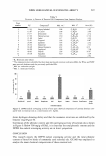
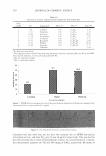
j. Cosmet. Sci., 59, 527-528 (November/December 2008) Abstracts IFSCC Magazine Vol. 11, No. 2, 2008* Exfoliation for Sensitive Skin with Neutralized Salicylic Acid? Eve Merinville1 , Aurelie Laloeuf', Garrett Moran 1, Olivia Jalby1, Anthony V. Rawlings2 1 Oriflame Ltd, Bray, Ireland 2 A VR Consulting Ltd, Northwich, Cheshire, UK Hydroxy acids enjoy tremendous interest in cosmetology thanks to their skin anti-aging and water barrier enhancing activities. One of their actions is to promote the natural stratum comeum (stratum comeum) desquamatory process. However, their use is limited due to an inherent pH-related irritancy potential which is even more exacerbated on sensitive skin. Clearly there is an opportunity for improvement. In this research we evaluated in humans the efficacy of salicylic acid, and its salts, as a comeodesmolytic agent using the dihydroxyacetone method and measuring the reduction in skin staining with treatment over time using a chromameter. Salicylic acid at 2% in a preparation of pH 3.12 significantly increased exfoliation by 10.9% compared with placebo (p0.05), confirming its desquamatory enhancing properties. Then the effect of vehicle cream pH on salicylic acid activity was studied. Salicylic acid at close to neutral pH (mostly in its neutralized form as salicylate, pH 6.50) exerted a comeodesmolytic activity as good as that of salicylic acid in an acidic vehicle (pH 3.12) after only two days of application. Furthermore, the performance of glycolic acid and salicylic acid salts as exfoliants were compared at pH 6.50. When these two hydroxyl acids were formulated at the same molar level in a cosmetic base (14.47mM), the salicylic acid preparation gave an 8.2% increase in stratum comeum desquamation compared with the glycolic acid preparation (p0.05). The comeodesmolytic effects were confirmed using a tape-stripping assay combined with a quantitative protein assay. Neutralized salicylic acid was found to enhance the removal of stratum comeum proteins significantly more than the vehicle after 25 sequential tape strippings (14% p0.05). Finally, salicylic acid had no significant influence on skin water barrier properties after 22 days of treatment. In the second phase of this research we assessed the suitability of neutralized salicylic acid as an ingredient for sensitive skin. A stinging test was performed according to the Frosch & Kligman method to evaluate the influence of the formulation base-pH on stinging potential. Salicylic acid formulated at pH 6.50 induced no stinging sensation (score 0) in contrast to salicylic acid at pH 3.12 (score 19 p0.05). In addition, a clinical study was conducted to assess the erythema induced on volunteers' cheeks after a single application of a neutralized salicylic acid (1 %) formulation compared with placebo. Visual redness was assessed by a dermatologist and then measured with a Mexameter. No significant differences were observed. Moreover, half of the panel had sensitive skin and no correlation could be established between redness and/or abnormal sensation and sensitive skin. In conclusion, neutralized salicylic acid at a 1 % concentration is a suitable exfoliant agent for subjects with sensitive skin. Design and Evaluation of a Photoprotective Compound Able to Release Taurine under Conditions of Oxidative Stress Patrick Lafitte1 , Lionel Valenti2, Lydia Casciani2, Thierry Hoarau 1 , Erika Lomonte2, Frederic Maccario2, and Jean Frarn;:ois Nicolas' 1 Exsymol S.A.M., 4 Av. Albert II, 98000 Monaco 2 Sedifa Laboratories, 4 Av. Albert II, 98000 Monaco A novel photoprotective ingredient with antioxidant and electrophilic scavenging properties was designed. A structure-activity relationship study was conducted in order to optimize its bioavailability, specifically its ability to reach deep layers of the skin that may be affected by ultraviolet radiation-induced oxidative stress. A particular characteristic of this compound is its ability to release taurine upon reaction with some reactive oxygen species. In situ taurine formation may contribute to photoprotection. Preliminary in vitro experiments provide some evidence for * These abstracts appear as they were originally published. They have not been edited by the journal of Cosmetic Science. 527
Purchased for the exclusive use of nofirst nolast (unknown)
From: SCC Media Library & Resource Center (library.scconline.org)