JOURNAL OF COSMETIC SCIENCE 360 Concerning the chemical composition of DS, other investigations revealed the presence of phenolic compounds (among others) (6) and fat (7). This last constituent contains various fatty acids, including linoleic acid and polyphenols whose concentration is higher than that of olive oil (8). This composition makes the DS oil and extracts the interesting in- gredients in cosmetic formulations, enhancing the oxidative stability (9) and skin protec- tion of the fi nal product (10). On the other hand, it was also underlined that the seed oil, as fatty acid–rich product, presents a high commercial value in cosmetics and others (11). Despite the absence of offi cial standard concerning the natural cosmetics (12), the devel- opment of phytochemical-rich products is characterized as a market tendency in cosmet- ics (13). In addition, the increased wariness toward modern cosmetics has stimulated renewed interest in herbal cosmetics (14,15). At the same time, various research works are devoted to this topic. Thus, Anchisi et al. (16) have studied the stability of new cos- metic formulations with vegetable extracts as functional agents and Papageorgiou et al. (17) have developed new cosmetic formulations by replacing chemical preservatives with extracts of Lonicera caprifoleum and Lonicera japonica in combination with different chemi- cals. Bowe (18) has reviewed the cosmetic benefi ts of some natural ingredients, including green tea for which the photoprotection against ultraviolet (UV)-induced DNA damage was underlined. For their part, Gilani et al. (19) have evaluated the antimicrobial activity of cream formulated with essential oil of Trachyspermum ammi. Categorized in the intersection between drugs and cosmetics, cosmeceutics are able to enhance, by external application, the beauty and health of skin (20). In fact, the tradi- tional use of plants against skin illness is an enough common practice in domestic medi- cine of lots of cultures (21). As underlined by these authors, there are no studies on traditional knowledge concerning cosmetic products, although the interest in natural and/or organic cosmetics has increased among the consumers (15). This article reports on the assay of obtaining and characterization of a cosmetic cream added with date (P. dactylifera) seed oil (DSO), by applying (i) mixture design for the optimal formulation and (ii) full factorial design for the stability study of the fi nal prod- uct. It has been already underlined that the use of an experimental design can signifi - cantly improve the development of cosmetic emulsions (22). Despite the absence of works about cosmetic formulation with DS derivatives, numerous authors suggest the possibility to incorporate DSO in cosmetics, based on its chemical composition and UV-protection abilities (23–26). Studying skin permeation of diclofe- nac, Kim et al. (27) have previously demonstrated the potent skin-permeation-enhancing effect of palmitic and oleic acids, two molecules also present in DS (23). In addition, the use of olive oil as oleaginous excipient in oral, topical, and parenteral solutions was re- ported (9), so this oil was used in this study as a component of the fatty phase of the in- vestigated cosmetic cream. MATERIALS AND METHODS INGREDIENTS Besides lecithin that was provided by the manufacturing unit of margarine “SOFARMA” in the Boumerdès area (40 km east of Algiers), other ingredients were either purchased

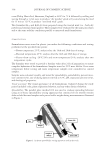
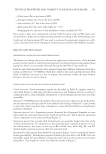
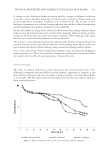
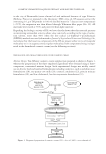
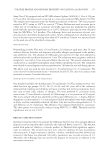
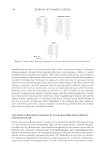
COSMETIC CREAM WITH AQUEOUS EXTRACT AND DATE FRUIT SEED OIL 361 in the city of Boumerdès (sweet almond oil and embossed beeswax of type Ickowicz (Bollone, France) or prepared in the laboratory: DSO, olive oil, DS aqueous extract (by immersing 0.1 g of DS powder in 100 ml distilled water for 7 days at room temperature (∼25°C), the suspension was then fi ltered through Whatman fi lter paper (No. 42). All materials were stored at +6°C and protected from light until use. Regarding the biologic activity of DS, we have already shown that this material presents an interesting antioxidant activity whose value can reach, according to the type of extrac- tion solvent, more than 90% when the free radical 2,2-diphenyl-1-picrylhydrazyl (DPPH•) method was used (submitted to Journal of Agricultural Science and Technology). So, we believe that the bioactive components of the DS are present either in its oil (nonpolar molecules) or in its aqueous extract (polar molecules), both components being incorpo- rated in the formulated cosmetic cream (see the following sections). PREPARATION AND CHARACTERIZATION OF THE COSMETIC CREAM Mixture Design. Ten different cosmetic cream samples were prepared as shown in Figure 1, whereas the proportions of the three employed ingredients were obtained using a three- component, constrained mixture design. Such experimental design was widely carried out on diverse food and nonfood formulations including cosmetics, such as jackfruit sauce formulations (28), soy-peanut-cow milk (29), cosmetic emulsions (22), protein mixture formulation (30), and low-cholesterol, low-fat mayonnaise formulation (31). Figure 1. Diagram of preparation of cosmetic creams. OO = olive oil, SAO = sweet almond oil.
Purchased for the exclusive use of nofirst nolast (unknown)
From: SCC Media Library & Resource Center (library.scconline.org)