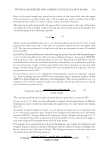
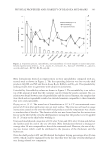
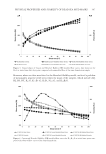
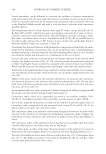
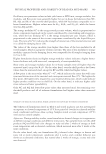
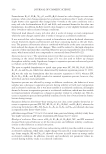
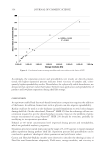
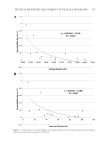
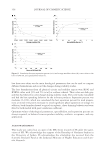
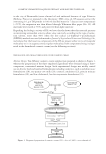
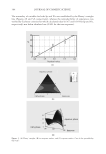
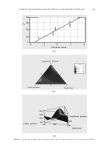
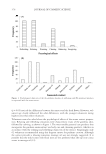
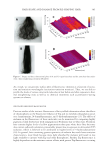
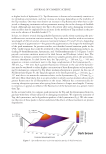
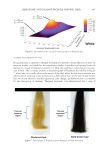
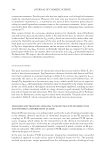
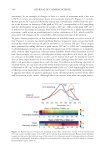
JOURNAL OF COSMETIC SCIENCE 376 Figure 1. Psychological characters of (A) the gardenia absolute de enfl eurage and (B) optimized products incorporated with the aroma extract. (p 0.05) noticed the differences between the extract and the fresh fl ower. However, vol- unteer age clearly infl uenced the odor differences, with the younger volunteers rating higher scores than older volunteers. Volunteers were also asked about the psychological effects of the aroma extract prepara- tion. Relaxing and refreshing sensations were characteristic traits of the gardenia odor, followed by calming, as shown in Figure 1. The most notable personal care products that incorporate the gardenia aroma extract are body care and cleansing products, which is in accordance with the relaxing and refreshing characters of the extract. Surprisingly, only 62 volunteers recommended using this fragrant extract for perfume creation. Although the extract provides a relaxing sensation, massage oil was not strongly suggested. It is possible that the mild scents with fl oral note are less preferred than the top note citrus scents in massage oil (12).

VOLATILE PROFILE AND SENSORY PROPERTY OF GARDENIA JASMINOIDES 377 CONCLUSIONS Preparation of gardenia aroma by enfl eurage gave the best-quality gardenia scent, which was contributed by farnesene, Z-3-hexenyl tiglate, Z-3-hexenyl benzoate, and indole. The contributions of these aromas directly governed the sensorial response to the absolute de enfl eurage, which was similar to the sensory evaluation of fresh gardenia. This study addresses the increased interest in fl oral fragrances, particularly toward those used in herbal medicine (6). Application of this medicinal herb is expected to widen into the perfumery business based on the aroma compounds identifi ed in this study. ACKNOWLEDGMENT Mae Fah Luang University was acknowledged for facility support. REFERENCES (1) S.-C. Wang, T.-Y. Tseng, C.-M. Huang, and T.-H. Tsai, Gardenia herbal active Constituents: applicable separation procedures. J. Chromatogr. B, 812, 193–202 (2004). (2) M. C. Bergonzi, C. Righeschi, B. Isacchi, and A. R. Bilia, Identifi cation and quantifi cation of con- stituents of Gardenia jasminoides Ellis (Zhizi) by HPLC-DAD- ESI-MS. Food Chem., 134, 1199–1204 (2012). (3) J.-H. Lee, D.-U. Lee, and C.-S. Jeong, Gardenia jasminoids Ellis ethanol extract and its constituents reduce the risks of gastritis and reverse gastric lesions in rats. Food Chem. Toxicol., 47, 1127–1131 (2008). (4) N. Yagi, H. Nakahashi, T. Kobayashi, and M. Miyazawa, Characteristic chemical components of the essential oil from white kwao krua (Pueraria mirifi ca). J. Oleo Sci., 62, 175–179 (2013). (5) A. Usami, T. Ono, S. Marumoto, and M. Miyazawa, Comparison of volatile compounds with character- istic odor in fl owers and leaves of Nojigiku (Crysanthemum japonense). J. Oleo Sci., 62, 631–636 (2013). (6) Y. Kashima, S. Nakaya, and M. Miyazawa, Volatile composition and sensory properties of Indian herbal medicine—Pavonia odirata—used in Ayurveda. J. Oleo Sci., 63, 149–158 (2014). (7) A. K. Singh, “Extraction Technologies for Medicinal and Aromatic Plants,” in Extraction Technologies for Medicinal and Aromatic Plants, S. S. Handa, S. P. S. Khanuja, G. Longo, and D. D. Rakesh. Eds. (Inter- national centre for science and high technology, Trieste, 2008), pp. 88–91. (8) M. Lis-Balchin, “Aromatherapy with Essential Oil,” in Handbook of Essential oils: Science, Technology, and Applications, K. H. C. Bașer and G. Buchbauer. Eds. (CRC Press, New York, 2010), pp. 555. (9) D. Pybus and C. Sell, The Chemistry of Fragrances (Royal society of chemistry, Wiltshire, 1999), pp. 36. (10) M. Kanlayavattanakul, S. Kitsiripaisarn, and N. Lourith, Aroma profi les and preferences of Jasminum sambac L. fl owers grown in Thailand. J. Cosmet. Sci., 64, 483–493 (2013). (11) A. M. R. Alvarez and M. L. G. Rodríquez, Lipids in pharmaceutical and cosmetic preparations. Grasas y Aceites., 51, 74–96 (2000). (12) R. Patin, M. Kanlayavattanakul, and N. Lourith, Aromatherapy and essential oils in Thai spa business. IJPS., 5, 161–166 (2009).
Purchased for the exclusive use of nofirst nolast (unknown)
From: SCC Media Library & Resource Center (library.scconline.org)