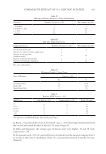
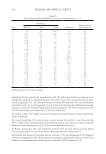
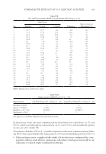
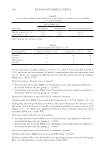
437 HISTORY OF COSMETIC Spatholobus suberectus showed antioxidant and phenolic content. Extracts of Pharbitis nil, Sophora japonica, and Spatholobus suberectus are likely to be useful for cosmetic products and applications (39). The major constituents of Aloe vera (“lu hui”) are Aloin, ρ-coumaric acid, aldopentose, calcium oxalate, and polysaccharides . It is widely used in cosmetic products (40). Aloe vera is used in cosmetics products in concentrations varying from 1% to 98% Aloe vera can be seen in the toiletry and cosmetic industry as a moisturizer. Aloe sugar mixed with essential oil makes an excellent skin smoothening moisturizer, tooth- paste, sun lotion, shaving creams, deodorants, and prevents skin ageing by initiating the synthesis of elastin and collagen (41). FACE CARE AND PLANT USED IN FACE CARE Face care in ancient Egypt. Lucas (1930, p. 44) suggests face painting as the explanation of palettes and stains on stones synonymous with red ochre. These cosmetics contain fats or oils that were possibly used together with unguents (5). Ochre occurs naturally in soil and rocks. Once collected, ochre can be grounded with the help of pestle or mortar and turned into powder and finally mixed with the liquids and turned into paint (42). Egyptian used to color the lips and cheek with lipstick consisting of reed holding a tiny piece of ochre at one end. Rouge lip-gloss was applied with a brush or spatula, consisting of red ochre and fat, probably with a little gull resin. The brush used for applying makeup was made of Salvadora persica tree (43). They used to treat the wrinkles by applying wax- based remedy containing gum, moringa oil (Moringa oleifera), ground Cyprus grass, and fermented juice, which was applied daily. Another recipe to remove wrinkles from the face is the gum of frankincense 1, fresh balarnites oil 1, wax 1, and rush-nut 1, which are grounded and put in the viscous fluid, which was applied every day. Make it and thou shalt see this may found its modern counterpart in a cold cream consisting of white wax, almond oil, borax, and stronger rosewater (44). To treat the spot, the ostrich egg mixed with bullock’s bile and milk was applied (45). Frankincense (individual experience allergic reaction when applied to the skin), acacia, fenugreek, and almond were used to prepare facial cosmetics (46). Honey and bees were important in Egyptian religion (47). Honey was dissolved with milk and used for daily face wash and to make the face smooth (42,48). Honey is composed of fructose and glucose but also contains fructooligosaccharides and amino acids, vitamins, minerals, and enzymes (47). Aromatic resin frankincense from trees of the genus Boswellia (Bursera- ceae) and fresh Moringa olifeira Lam (Moringaceae) were used to fight against wrinkles (16). Face care in ancient India. Indian herbs and their importance are popular worldwide.Some of the plants and herbs used in face care cosmetics are as follows: Turmeric (Curcuma longa) is a rhizomatous herbaceous perennial plant of the ginger fam- ily Zingiberaceae. Women apply the turmeric on the cheeks to obtain a natural golden glow. Tamarind (Tamarindus indica) belongs to the family Fabaceae that has antioxidant activity is appropriate for antiwrinkle cosmetics. Indian women were using herbs such as sandalwood for skincare, face packs, and masks from the olden days (19,20). Face and nail care in ancient China. Chinese people used to stain their fingernails with gelatine, egg, and beeswax (1). Ceruse was made in China its ancient and common name is hu-fen in China. Under the rule of the T’ang emperors, the Chinese used ceruse face

438 JOURNAL OF COSMETIC SCIENCE powder, which was accurately demonstrated by Harada, who observed that it was applied to the face and breast (49). Turmeric was used in China as a coloring material. Antioxi- dants in turmeric protect the skin cells from free radical damage. It is used for the treat- ment of acne, facial photo ageing, etc. (20). Perfumes Perfumes in ancient Egypt. Kyphi is compound incense, a very popular Egyptian fragrance, which means “welcome to the Gods” (1). Kyphi is the best-known perfume of Egypt. It was made of 16 ingredients: cyperus, resin, myrrh, aspalatus, seselis, bitumen, mastich, rush, sorrel, cardamom, frankincense, and calamus. Ingredients were listed in the pyramid texts. Kyphi was a prized blend of incense in Egypt for its medical effects. The common resin used for making kyphi pellets was benzoin, which is a balsamic resin, a dried exudation from ben- zoin tree bark, used because of its fragrance (50). Incense is made up of aromatic material that produces scent, consists of 21% (by weight) of herbal and wood powder, 35% of fragrance material, 11% of adhesive powder, and 33% of the bamboo stick. Aromatic materials used to prepare incense were resins, barks, seeds, and flowers (51). Myrrh, incense, and cinnamon were used for deodorant preparations (27). Deodorant body rubs were made of an ostrich egg and tortoise shell roasted with gallnut from tamarisk tree (52). Perfumes in ancient India. India was famous for using itra (similar to modern scent), made in sandalwood base, which was used during festivals, and its manufacturing process includes the collection, extraction, blending, and ageing of scent, which takes too much time for preparation (1). The most commonly used perfume was made from sandalwoods (Santalum album) to give a long-lasting odor (8). Perfumes in ancient China. The Chinese used one word, i.e., heang, to represent fragrance, incense, and perfume. Heang was divided into six aesthetic moods: Tranquil, luxurious, beautiful, reclusive, refined, or noble (Keville, Green). China imported jasmine-scented sesame oil from India Persian rosewater via the silk route, Indonesian aromatics such as ginger (Zingiber officinale), cloves (Syzygium aromaticum), nutmeg (Myristica fragrans), gum benzoin, and patchouli (Pogostemon cablin) via India (1). Hygiene Hygiene in ancient Egypt. Egyptians used to freshen the breath by chewing the pallets made of tamarisk leaves (1). Instead of soap, they were using body scrubs of salt, honey, and natron for cleansing. Water and natron were used to wash the mouth. Natron, a chemical composition of two parts of sodium carbonate 10-hydrate and one part of salt, removes moisture from the body quickly and breaks down fatty tissues (46). The mixture of mint, pepper, rock salt, and dried iris flower was used to prepare toothpaste. Chewing the roots of Glycyrrhiza glabra L. (Fabaceae) boosts their breath (16), and chewing the herbs “frank- incense” and “anise” improves the odor of mouth (46). The Aryan period witnessed the use of turmeric (Haridra), agaru (Agarwood is a fragrant tree), alkanet (Ratanjot), chloro- phyll green (from nettle plants), and indigo (genus Indigofera, a flowering plant) for body decorations, and chandan for beautifications (53). The ancient Egyptians first produced a dental cream around 3000–5000 BCE containing powdered ashes from oxen hooves, eggshells, myrrh, and pumice mainly to remove debris from the teeth (54).
Purchased for the exclusive use of nofirst nolast (unknown)
From: SCC Media Library & Resource Center (library.scconline.org)