435 HISTORY OF COSMETIC found to be 6 to 8. The formulation has also shown thixotropic, foaming property, and viscosity. The wetting effect of shampoo was taken as 5 min (24). Neem (Azadirachta indica): Neem oil is obtained from the seed, kernel, and leaves of neem, which is used as an antidandruff agent and hair tonic (23). Oat (Avena sativa): Oat oil is lightly coloured, which is rich with glycolipids (polar lip- ids), as well as phospholipids, and free from fatty acids (Trans). The oil improves the elasticity of hair and skin. In skin and hair formulation, a 1–5% concentration is recom- mended (25). Hair care in ancient China. Chinese people were using henna dyes to stain their hair (1). SKINCARE AND PLANTS USED IN SKINCARE PREPARATIONS Skincare in ancient Egypt. In ancient Egypt, appearance and personal health were of tre- mendous importance. The Egyptian climate required the moisturizing properties of fats and oils that could be used to produce fragrant salves or to produce cleaning agents mixed with ash and natron (26). Egyptians were using cleansing cream, which was made with animal oil or with vegetable oil mixed with lime powder. Scented ointments and oil were used to mask body odor and soften their skin (1). The most commonly used cosmetic material for hair and body were malachite, PbS, and galena, which was found in graves, stains on palettes, and stones on which they were ground for use (Lucas, 1930) (5). The word ‘malachite’ reflects the leaves green color of the plant family Malvaceae (7). The trendy skin color was black, obtained by applying a piece of linen to the neck, face and arms dipped in a yellow ochre suspension in water (8). Crushed lotus flower and oil from papyrus, honey were used for removing scars and marks from the skin (27). Rosemary (Rosmarinus officinalis L.), myrrh thyme (Thymus L.), lavender (Lavandula L.), chamomile (Matricaria L.), lily (Liliaceae), peppermint (Mentha L.), cedar (Cedrus libani A. Rich), rose (Rosa L.), aloe (Aloe barbadensis Mill.), and olive (Olea europaea L.), almond (Prunus dulcis Mill.), and sesame (Sesamum indicum L.) were the ingredients used in the preparation of oil and creams to protect from the sun and wind (28). Skincare in ancient India. In the ancient period, a paste of Anjana (ayurvedic herbal col- lyrium) and Yastimadhu (Liquorice) was used externally as a cosmetic for cooling effect. During the Mahabharata period, the fragrant powder was used for the face and body (10). Indian women were using sandalwood and turmeric for skincare (29). Aloe vera is used for cleansing purges for the body or skin and sunburn. Aloe vera inhibits the cyclooxygenase pathway and reduces prostaglandin E2 production from arachidonic acid. It is used in the form of soothing gels (20,21). Saffron is considered to be a beneficial herb for cleansing the skin by Indian physician Charaka. Herbs are used in cosmetics for the preparation of fairness cream, antiblemish lotions, and cleanser (30). Marigold (Calen- dula officinalis) is known as pot marigold. Ingredients of the flower are used for cosmetic, personal care products, skincare, anti-inflammatory, and antiseptic cream. Oat (Avena sativa): Oat oil is rich in essential fatty acids, antioxidants, and natural emollients, which are used in lotions, creams, facial oils, salves, and balms (31). Colloidal oatmeal formu- lation increases the moisturizing properties of skincare lotions and creams. The phenolic compound present in oil protects against ultraviolet light and provides anti-inflamma- tory and antioxidant properties. Phospholipids provide buffer and moistening activities, whereas saponins provide cleansing activity (25).

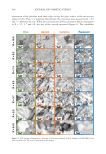
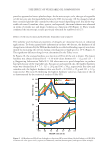
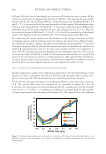
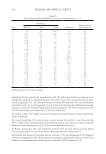
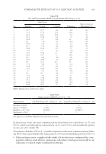
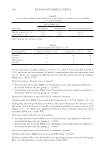
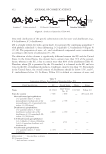
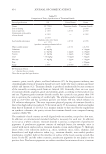
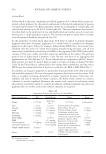
436 JOURNAL OF COSMETIC SCIENCE Skincare in ancient China. Creams and oils mixed with Chinese herbs are commonly used in modern and traditional skin formulations. By nourishing and hydrating at the cellular level, most herbs protect the skin through their antioxidant action and help minimize wrinkles (32,33). Some of the popular herbs used to protect the skin are: Fu Ling (Sclero- tium poriae cocos) (Tuckahoe) It is a wood-decaying fungus or mushroom. Polysaccharides obtained from this are used in cosmetic preparations. It has an antioxidant property that protects the skin from free radical damage and oxidative stress. Polysaccharide extract has moisturizing benefits (34). Dang Gui (Radix angelicae sinensis) (Tang-Kuei- root) and Bai Zhi (Radix angelicae dahuricae) (Chinese angelica root) help in treating acne. One of the doctors named S. H. Guo has applied Baizhicuokang powder to treat 47 acne patients one time a day. After 6 mo of treatment 36 patients were cured, three patients failed to respond, 16 patients were mended, and the effective rate was 95% no allergic reactions were found (35). Chuanxiong (Radix ligustici Chuan xiong) (Szechaun lovage root) helps in promoting blood circulations (32,33). Plants used as skincare cosmetics are as follows: Ginseng (Panax ginseng) and Paeonia (Paeonia suffruticosa) are most commonly used in China’s personal care and cosmetic market. Ginseng and Paeonia have very good whit- ening actives and antiageing properties. White ginseng is used for whitening the skin (36). Paeonia root bark has antipigmentation ingredients and natural whitening activity (37). Liquorice root (Glycyrrhiza glabra) is used in skin irritation and preventing acne (38). Recently, the possible use of traditional herbal medicines (THM) to develop modern skincare cosmetics has been underlined (Kiken and Cohen, 2002). Kuo-Hsien Wang et al. experimented to determine the antityrosine effects of traditional Chinese herbal medicine (TCHM) used in skincare products (39). The authors picked 25 TCHMs and tested them as a skin-whitening agent for efficacy. They are- Asarum heterotropoides (Manchur wildginger) – entire plant used, Lithospermum erythrorhizon (purple gromwell) – root, Pharbitis nil (Jap- anese morning glory) - seed, Trichosanthes kirilowii (Chinese cucumber) – root, Genti- ana macrophylla – root, Elsholtzia ciliate (Vietnamese lemon balm), Leonurus heterophyllus (Chinese motherwort), Agastache rugosa (Korean mint) – entire plant, Prunella vulgaris (heal-all) – spike, Astragalus membranaceus (Mongolian milkvetch) – root, Glycyrrhiza ura- lensis (Chinese liquorice) – root and rhizome, Sophora japonica (Chinese scholar tree) – flower, Spatholobus suberectus (Caulis spatholobi) – stem, Polygonatum odoratum (Solomon’s seal) – rhizome, Cannabis sativa (Marijuana) – seed, Morus alba (mulberry) – leaves, Phy- tolacca acinosa (Indian pokeweed) – root, Paeonia suffruticosa (Moutan peony) – root bark, Crataegus pinnatifida (Chinese hawthorn) – fruit, Prunus persica (peach) – seed, Citrus retic- ulate (mandarin orange) – pericarp, Dictamnus dasycarpus (Densefruit dittany) – root bark, Houttuynia cordata (Chameleon plant) – entire plant, and Ampelopsis japonica (peppervine) – root, Amornurn villosurn – fruit. Collected TCHMs were pulverized with 50% ethanol solution and freeze-dried. Later, the extract was tested for cytotoxicity on human epider- mal melanocyte 12 extracts show low cytotoxicity, i.e., Lithospermum erythrorhizon, Phar- bitis nil, Gentiana macrophylla, Glycyrrhiza uralensis, Sophora japonica, Spatholobus suberectus, Polygonatum odoratum, Cannabis sativa, Morus alba, Phytolacca acinosa, Citrus reticulata, and Amornurn villosurn were further examined for tyrosinase and melanin contents in human skin melanocyte. The authors used l-dopa as a substrate to determine tyrosinase inhibi- tor effects. The extracts of Pharbitis nil, Sophora japonica, Spatholobus suberectus, and Morus alba showed potent tyrosinase inhibitor effects. The extract that showed tyrosinase effect does not show dose-dependent inhibition of melanin production. Sophora japonica and
Purchased for the exclusive use of nofirst nolast (unknown)
From: SCC Media Library & Resource Center (library.scconline.org)