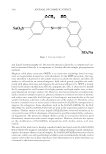
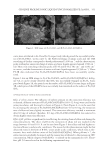
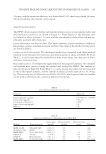
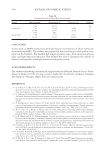
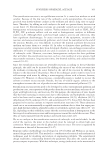
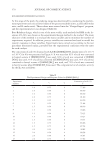
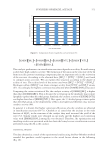
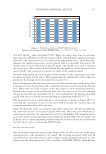
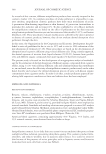
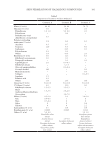
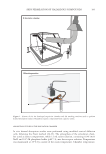
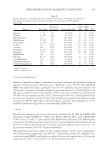
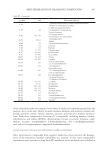
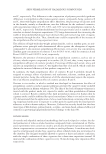
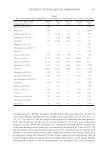
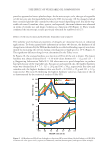
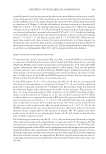
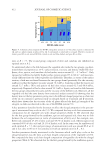
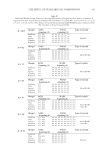
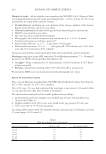
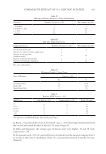
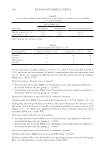
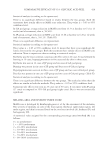
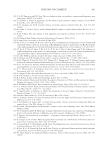
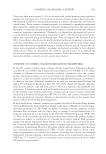
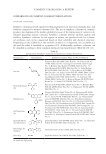
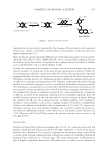
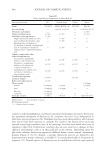
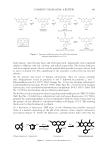
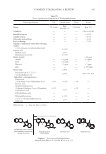
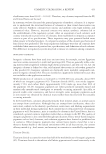
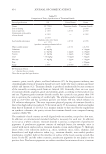
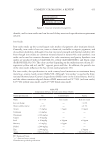
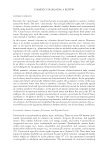
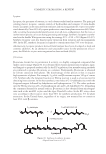
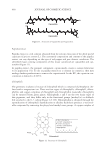
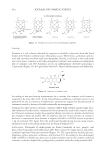
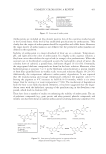
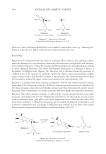
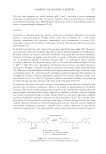
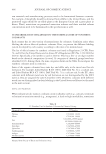
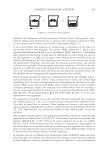
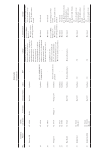
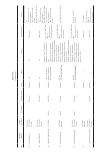
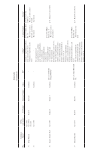
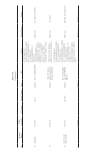
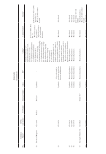
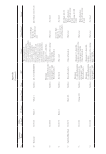
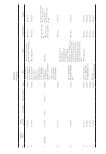
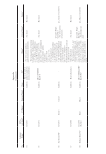
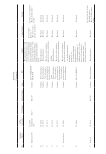
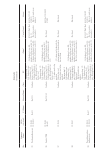
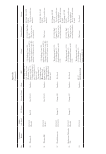
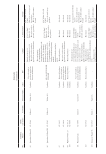
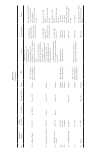
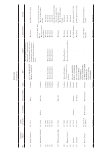
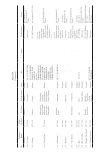
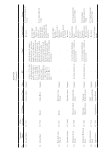
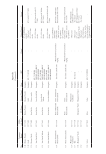
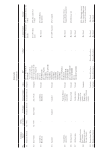
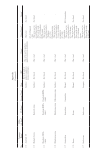
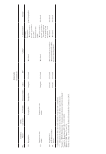
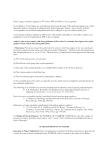
447 COSMETIC COLORATION: A REVIEW reported that azo dyes may be degraded by the cleavage of the azo bond to form aromatic amines (e.g., aniline, o-toluidine, and benzidine) in the presence of reducing species at higher temperatures (25). Here, we discuss in more detail the different types of specifications applied in each country. Allura Red AC (AR CI 16035, FD&C Red No. 40) is a red dye that is authorized for use in cosmetics in the four entities. It is prepared by coupling diazotized cresidine-p-sulfonic acid 1 with Schaeffer’s salt 2 as shown (Figure 1) (20). Usually, the requirements for synthetic colorants’ purity are much greater than those of natural colorants. A comparison of the four entities specifications is shown in Table III. Concerning purity, AR must contain more than 85% of the total coloring matter. Specified impurities include subsidiary coloring matters and organic compounds other than coloring matters. Subsidiary coloring matters are compounds produced during the manufacturing process in addition to principal coloring matters (26). Organic compounds other than coloring matters are uncolored impurities such as uncombined intermediate starting materials (26). Subsidiary coloring matters are restricted in the EU by their total concentration and are restricted in three specified sections in the United States’ regulatory framework (27). The higher/lower degree of sulfonation products (tri- and monosulfonated components of AR) are included in the subsidiary coloring matters. Generally, impurities from the residual starting material in the raw material are restricted except in Korea. During the synthesis of AR dye, the starting material, cresidine-p-sulfonic acid (4-amino-5- methoxy-o-toluenesulfonic acid) and the coupling reagent of 6-hydroxy-2-naphthalene sulfonic acid, sodium salt (Schaeffer’s salt) are regulated to 0.2% and 0.3%, respectively. Schaeffer’s salt may react with another Schaeffer’s salt to produce another by-product— 6,6-oxybis(2-naphthalene-sulfonic acid)—which has a maximum content limitation of 1.0%. Moreover, the EU and China require the primary aromatic amine content to be less than 0.01%. Xanthene Dye. German von Bayer first synthesized xanthene dye in 1871 by condensing resorcinol and phthalic anhydride (28). Fluorescein (CI 45350, D&C Yellow No. 7) is one of the typical xanthene dyes. Xanthene 3 is a tricyclic compound of two benzene rings connected by a central pyran (oxygen-containing) ring. Fluorescein consists of a hydroxyl substituted xanthene ring connected to a benzene ring. The main characteristic of fluorescein is that it displays significant fluorescence. The fluorescence is widely seen in colorants in MeO H2N SO 3 H HCl, NaNO 2 H2O MeO N 2 SO3H Cresidine-p-sulfonic acid, 1 HO SO3 Na + H 2 O or ROH SO3 MeO N N HO SO 3 Na + Na + Schaeffer's salt, 2 Allura Red AC Figure 1. Synthesis of Allura red AC.

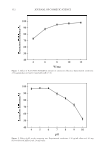
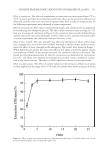
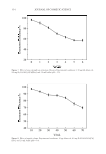
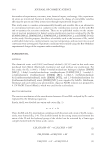
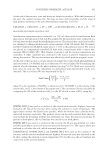
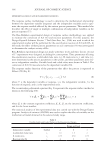
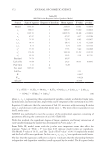
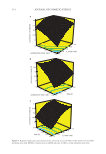
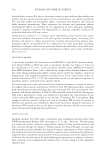
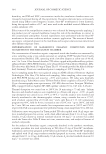
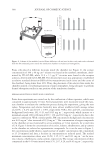
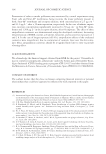
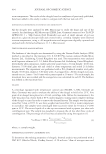
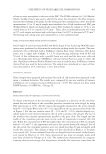
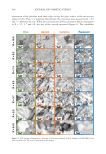
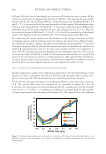
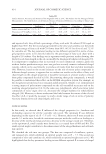
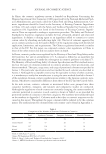
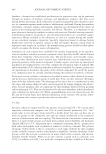
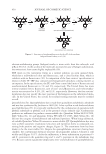
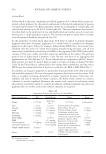
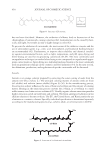
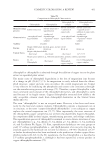
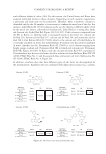
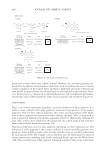
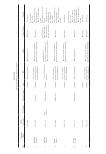
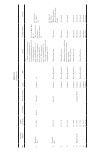
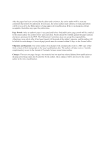
448 JOURNAL OF COSMETIC SCIENCE cosmetics, ink for highlighters, and fluorescent probes for biological research. To increase the maximum absorption of fluorescein dye, xanthene dyes have been halogenated to shift their spectral properties (29). Xanthene dyes have poor photostability, which means they may be fade from exposure to sunlight. For instance, the Dutch artist van Gogh enjoyed using bright xanthene dyes in his paintings, but they have faded after years of exposure to light (30). Furthermore, xanthene dyes are very sensitive to changes in their chemical environment, such as in their pH and in the solvent. Depending upon the pH of the solution, fluorescein appears in different forms: cation, neutral, monoanion, dianion (Figure 2) (31,32). Anions, a strongly fluorescent species, are formed by the deprotonation of mainly carboxylic acid (pKa 4.31) or/and phenol (pKa 6.43) protons in sequence (31). Neutral species of fluorescein are in equilibrium with the open quinoid Table III Purity Specification Comparison of Allura Red AC Purity Specification EU United States China Korea Name CI 16035 FD&C Red No. 40 CI 16035 Red 40 Loss on drying — ≤ 14.0% (135° C) — ≤ 10.0%(135° C) Chlorides and sulfates — — ≤ 5.0% Water insoluble matter ≤ 0.2% ≤ 0.2% — ≤ 0.2% Subsidiary coloring matters ≤ 3.0% Higher sulfonated subsidiary colors — ≤ 1.0% — — Lower sulfonated subsidiary colors — ≤ 1.0% — — Disodium salt of 6-hydroxy-5- [(2-methoxy-5-methyl-4-sulfophenyl) azo] -8-(2-methoxy-5-methyl-4- sulfophenoxy)-2-naphthalenesulfonic acid — ≤ 1.0% — — Organic compounds other than coloring matters 6,6-oxybis (2-naphthalene sulfonic acid) disodium salt ≤ 1.0% ≤ 1.0% ≤ 1.0% — 6-hydroxy-2-naphthalene sulfonic acid, sodium salt ≤ 0.3% ≤ 0.3% ≤ 0.3% — 4-amino-5-methoxy-2- methylbenezene sulfonic acid (4-Amino-5-methoxy-o- toluenesulfonic acid) ≤ 0.2% ≤ 0.2% ≤ 0.2% — Unsulfonated primary aromatic amines ≤ 0.01% — ≤ 0.01% — Ether extractable matter ≤ 0.2% Heavy metals ≤ 20 ppm Arsenic ≤ 3 mg/kg ≤ 3 ppm — ≤ 2 ppm Lead ≤ 2 mg/kg ≤ 10 ppm — — Mercury ≤ 1 mg/kg — — — Cadmium ≤ 1 mg/kg — — — Pure dye content ≥ 85% ≥ 85.0% — (85.0–101.0)% Abbreviation: '—' : does not have a criteria EU: European Union. “—”: does not have a criteria.
Purchased for the exclusive use of nofirst nolast (unknown)
From: SCC Media Library & Resource Center (library.scconline.org)