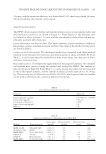
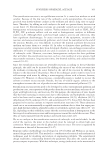
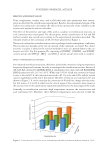
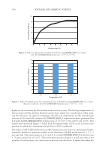
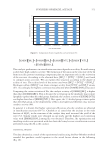
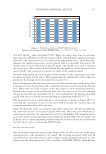
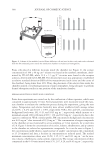
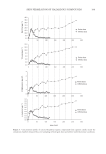
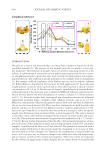
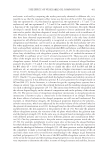
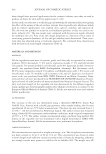
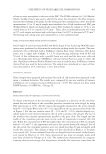
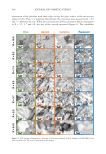
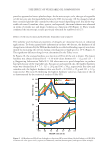
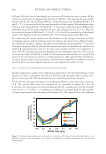
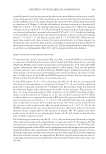
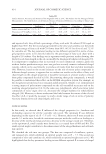
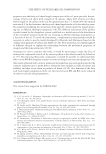
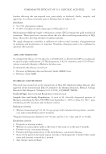
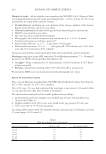
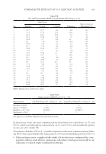
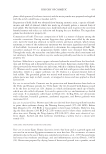
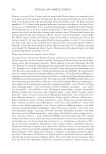
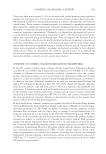
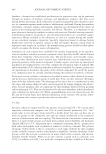
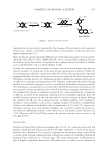
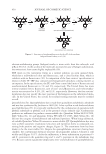
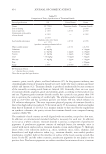
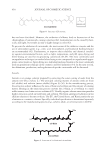
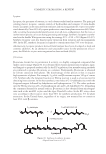
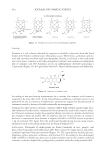
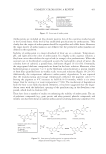
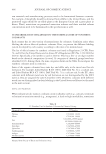
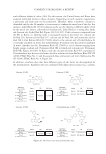
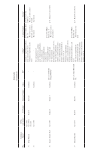
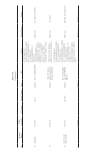
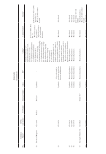
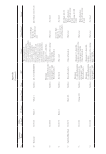
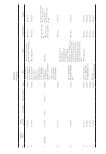
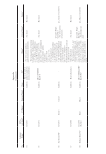
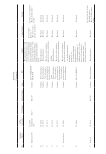
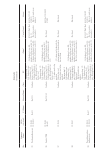
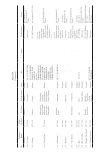
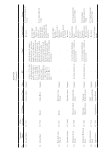
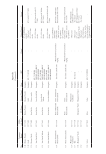
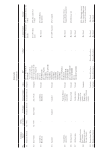
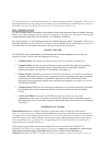
449 COSMETIC COLORATION: A REVIEW form (major), closed lactone form, and zwitterion form. Importantly, each compound exhibits a different color red, colorless, and yellow, respectively. The lactone form pre- vails in an organic aprotic solvent, and the quinoid form prevails in a protic solvent such as water or alcohol (31). The equilibrium of the tautomers is affected by the solvent’s polarity. By the amount and source of halogen substituents, there are various xanthene dyes. Halogenation occurs in positions 4’ and 5’ followed by positions 2’ and 7’. Dibromofluorescein (CI 45370, D&C Orange No. 5) has two bromine substituents, tetrabromofluorescein/eosine YS (CI 45380, D&C Red No. 21/22) has four bromine substituents, and tetrachlorotetrabromofluorescein/phloxine B (CI 45410, D&C Red No. 27/28) has four bromine and four chlorine substituents. We will focus on discussing more details regarding tetrabromfluorescein (TBF CI 45380, D&C Red No. 21) which has a yellowish-red color with green fluorescence (32). TBF is prepared by condensing phthalic acid or its anhydride 4 with two moles of resorcinol 5 in the presence of zinc chloride or concentrated sulfuric acid (Figure 3) (33). The resulting fluorescein 6 is then brominated in ethanol. As a derivative of fluorescein, TBF exists in the following four possible structural forms in a medium depending on the pH of the solution: cation, neutral, monoanion, and dianion (Figure 4). Unlike the fluorescein, a phenol proton (pKa 2.85) that has preferential positions of halogen group O HO O CO2H O HO OH O O neutral open quinoid form (red) neutral closed lactone form (colorless) O HO OH CO2 neutral zwitterion form (yellow) O HO O CO2 monoanion carboxylate O O O CO2 dianion O HO OH CO2H cation +H+ -H+ +H+ -H+ +H+ -H+ O Xanthene, 3 5' 4' 7' 2' Figure 2. Structures of fluorescein by the pH of the medium. Adapted from Sjoback et al. (31) O O O H 2 O OH ZnCl 2 Br 2 + Phthalic anhydride, 4 Resorcinol, 5 Fluorescein, 6 Tetrabromfluorescein O HO O CO2H O HO O CO2H Br Br Br Br or conc. H 2 SO4 Figure 3. Synthesis of tetrabromfluorescein.

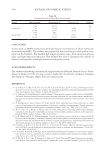
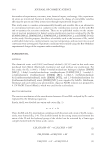
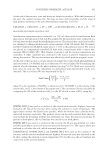
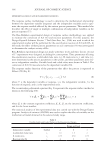
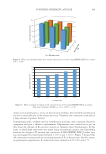
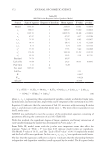
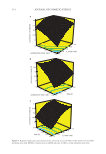
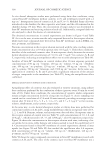
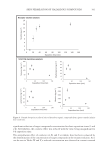
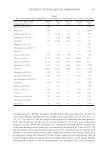
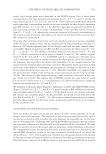
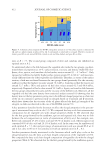
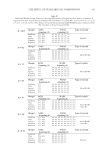
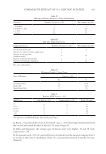
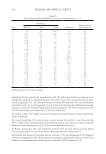
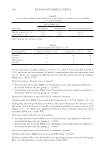
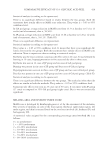
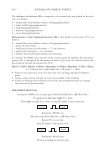
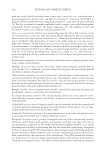
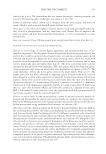
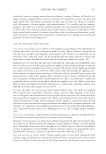
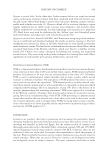
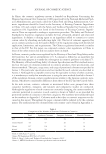
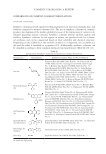
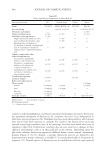
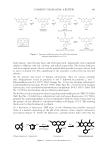
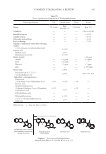
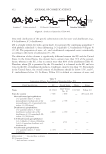
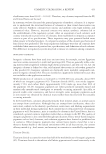
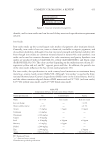
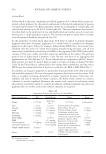
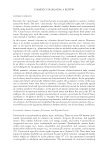
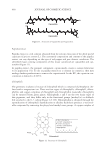
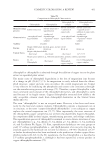
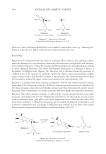
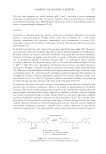
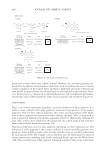
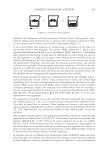
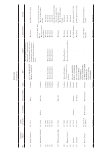
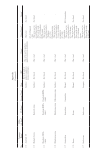
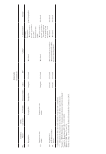
450 JOURNAL OF COSMETIC SCIENCE electron-withdrawing groups (halogen) nearby is more acidic than the carboxylic acid (pKa 4.95) (32). As the acidity of the molecules increases because of halogen substitution, the zwitterionic form seems highly implausible (30). TBF exists in two tautomeric forms in a neutral solution: an open quinoid form, which has a yellowish-red color and fluorescence, and a closed lactone form, which is colorless with no fluorescence (30). A comparison of the four entities’ specifications is shown in Table IV. TBF may contain lower halogenated subsidiary coloring matters as an impurity. In the specifications, the EU and China control the limits of fluorescein and monobrominated fluorescein to 1% and 2%, respectively. The United States has more intense standard limits: fluorescein, sum of mono- and difluorescein, and trisbromofluo- rescein are restricted to 0.2%, 2%, and 11%, respectively. However, the four entities’ legislation does not specify the exact position of the halogens on the substituted mole- cule. In the United States, the criteria for residual starting materials must be satisfied as well. Quinophthalone Dye. Quinophthalone dye is made from quinaldine and phthalic anhydride and was first synthesized by Jacobsen in 1882 (34). It has a yellow to red shade and shows good lightfastness (35). It is typically synthesized by the condensation of quinolone with phthalic anhydride or phthalic acid in the presence of zinc chloride (22). Condensation products are sulfonated to produce a water-soluble dye. Quinoline Yellow SS (CI 47000, D&C Yellow No. 11) and Quinoline Yellow WS (QY CI 47005, D&C Yellow No. 10) fall into the category of nonsulfonated and sulfonated products. When being sulfonated, oil-soluble Quinoline Yellow SS converts to water-soluble QY. Quinophthalone dye may exist as three tautomers: enaminone, keto-enol, and zwitterion forms (a compound con- taining both positive and negative charges Figure 5). The enaminone form has been shown to be the most stable (36). Despite the quinophthalone structure’s having been clarified, the conventional chemical structure [2-(2-quinolyl) indan-1,3-dione] is still widely used (Figure 5) (37). As for the sulfonation, it favors substitution in positions 6’- and 8’- positions in the quinoline ring and 4- and 5- positions in the indandione ring (37). Because current regulations simply name mono- and disulfonates of quinophthalones, O HO O CO2H O HO OH O O neutral open quinoid form (yellowish-red) neutral closed lactone form (colorless) O O O CO2H monoanion Phenolate O O O CO 2 dianion O HO OH CO2H cation +H+ -H+ +H+ -H+ +H+ -H+ Br Br Br Br Br Br Br Br Br Br Br Br Br Br Br Br Br Br Br Br 2' 4' 5' 7' Figure 4. Structures of tetrabromfluorescein by the pH of the medium. Adapted from Cooksey et al. (30)
Purchased for the exclusive use of nofirst nolast (unknown)
From: SCC Media Library & Resource Center (library.scconline.org)