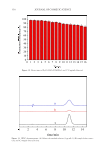
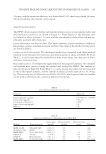
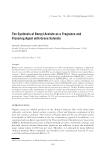
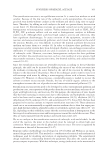
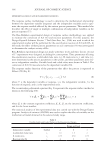
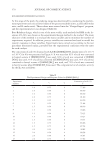
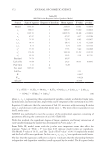
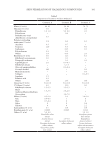
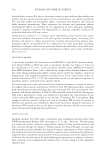
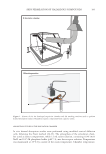
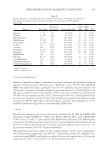
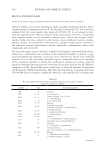
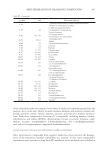
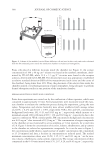
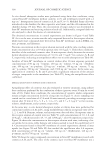
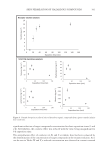
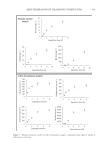
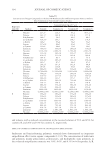
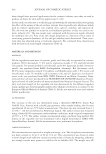
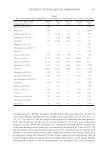
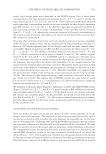
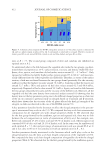
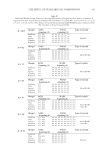
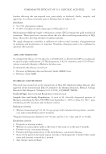
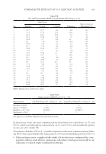
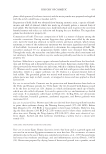
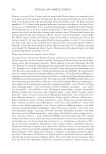
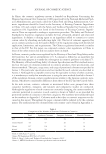
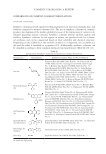
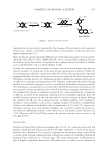
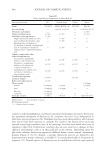
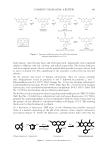
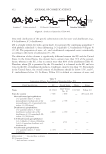
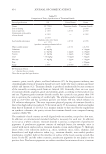
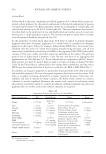
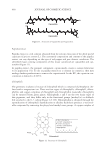
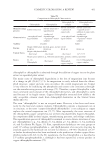
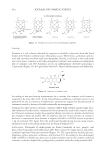
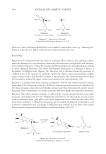
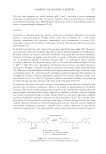
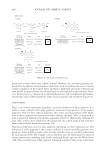
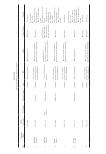
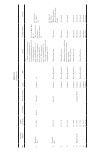
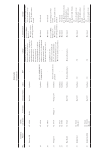
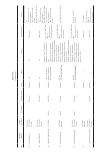
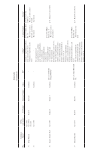
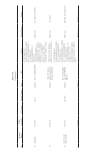
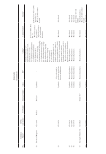
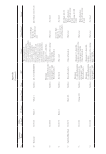
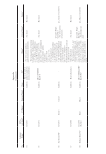
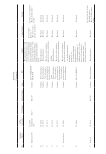
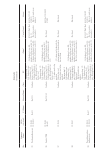
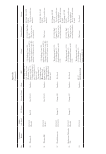
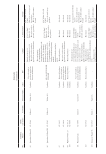
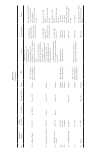
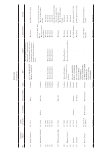
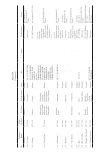
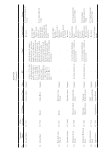
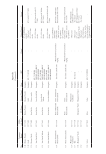
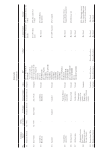
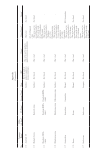
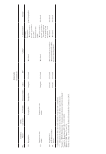
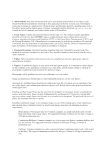
451 COSMETIC COLORATION: A REVIEW Table IV Purity Specification Comparison of Tetrabromfluorescein Purity Specification EU United States China Korea Name CI 45380 D&C Red No. 21 CI 45380 Red 223 Solubility — — — Clear in EtOH Insoluble matter — — — ≤ 1.0% Soluble matter — — — ≤ 0.5% Chlorides and sulfates — — — ≤ 3.0% Loss on drying — — — ≤ 7.0% Organic compounds other than coloring matter 2-(3,5-dibromo-2,4-dihydroxybenzoyl) benzoic acid — ≤ 0.5% — — Phthalic acid — ≤ 1% — — Brominated resorcinol — ≤ 0.4% — — Heavy metals ≤ 20 ppm Arsenic — ≤ 3 ppm — ≤ 2 ppm Lead — ≤ 20 ppm — — Mercury — ≤ 1 ppm — ≤ 1 ppm Zinc — — — ≤ 200 ppm Total color — ≥ 90% — — Disodium salt of 2′,4′,5′,7′- tetrabromofluorescein — ≥ 87% — (90.0–101.0)% Subsidiary coloring matters Fluorescein 2-(6-hydroxy-3-oxo-3H-xanthen-9-y1) benzoic acid ≤ 1% ≤ 0.2% ≤ 1% — Monobromofluorescein (2-(bromo-6-hydroxy-3-oxo-3H-xanthen- 9-yl) benzoic acid) ≤ 2% ≤ 2% ≤ 2% — Dibromofluoresceins — — — Tribromofluoresceins — ≤ 11% — — 2′,4′,5′,7′-Tetrabromoflurorescein, ethyl ester — ≤ 1% — — Abbreviation : ‘—’ : does not have a criteria N H O O Enaminone form N O HO Ketoenolform N H O O Zwitterion form 2-(2-quinolyl) indan-1,3-dione (Quinophthalone from E104) N O O 6' 8' 5 4 wrong structure most stable preferential postions of sulfone group Figure 5. Structures of Quinophthalone. Adapted from Han et al. (36) and Weisz et al. (37).

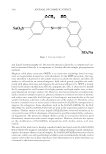
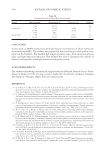
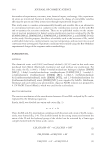
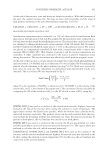
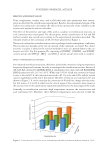
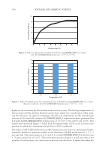
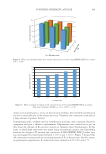
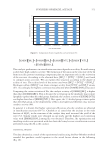
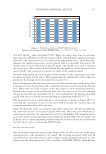
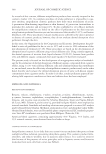
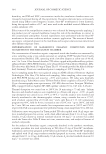
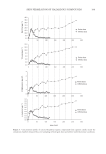
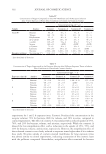
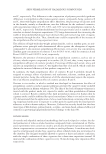
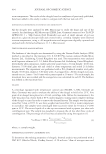
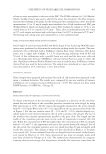
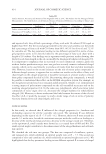
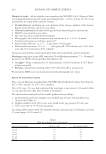
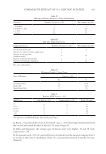
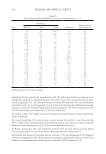
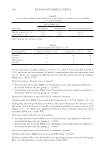
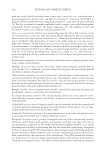
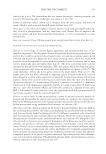
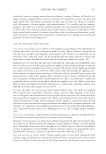
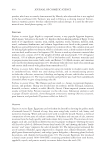
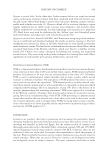
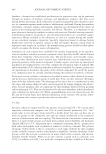
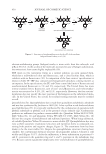
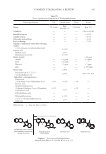
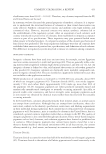
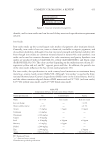
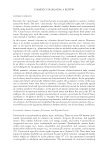
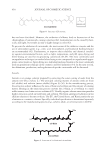
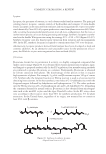
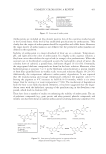
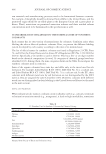
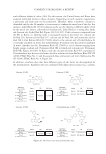
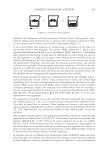
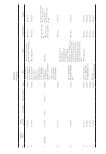
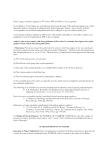
452 JOURNAL OF COSMETIC SCIENCE they need clarification of the specific substitution sites for mono- and disulfonates (e.g., 6’4-disulfonate, 8’,5-disulfonate). QY is a bright yellow dye with a green shade. It is prepared by condensing quinaldine 7 with phthalic anhydride 4, then sulfonating 2-(2-quinolyl)-1,3-indandione 8 (Figure 6) (37,38). The proportion of mono-, di-, and trisulfonated compounds varies considerably according to the extent of sulfonation (37–39). The definition of this colorant is significantly different between the EU and the United States. In the United States, the colorant has to contain more than 75% of the monosul- fonate, whereas in the EU, it has to contain more than 80% of the disulfonate (Table V). Therefore, when QY is permitted by the US standard, it is banned in the EU and vice versa. In the EU, oversulfonated products, trisulfonate, must be less than 7%. Particularly in the United States, the overall content of disulfonates should be below 15%, and 6’, 8’- indisulfonates below 3%. In Korea, Yellow 203 is defined as a mixture of mono- and N O O O ZnCl 2 N H O O i) H 2 SO 4 ii) NaOH N H O O Quinaldine, 7 Phthalic anhydride, 4 2-(2-Quinolyl)-1,3-indandione, 8 Quinoline Yellow WS (SO3Na)n n=1-3 Figure 6. Synthesis of Quinoline Yellow WS. Table V Comparison of Purity Dye Content of Quinoline Yellow WS Purity Specification EU United States China Korea Name CI 47005 D&C Yellow No. 10 CI 47005 Yellow 203 Pure dye content ≥ 70% ≥ 85% — (85.0–101.0)% Monosulfonated quinophthalone 2-(2-quinolyl) indan-1,3- dione- monosulfonates [sodium salts of the monosulfonates of 2-(2-quinolinyl)-1H- indene-1,3 (2H)-dione] ≤ 15% ≥ 75% — — Disulfoanted quiophthalone 2-(2-quinolyl) indan-1,3- dione- disulfonates (sodium salts of the disulfonates of 2-[2-quinolinyl]-1H- indene-1,3 [2H]-dione) ≥ 80% ≤ 15% — — 6′,8′-Disulfonated quinophthalone 2-(2,3-dihydro-1,3-dioxo-1H-indene- 2-yl)-6, 8-quinoline disulfonic acid, disodium salt — ≤ 3% — — Trisulfonated quinophthalone 2-(2-quinolyl) indan-1,3- dione- trisulfonate ≤ 7.0% — — — Abbreviation: ‘—’ : does not have a criteria EU: European Union. “—”′: does not have a criteria.
Purchased for the exclusive use of nofirst nolast (unknown)
From: SCC Media Library & Resource Center (library.scconline.org)