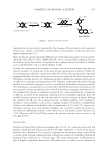
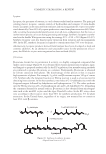
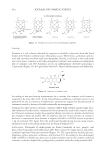
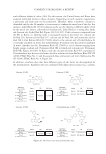
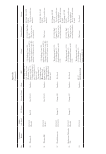
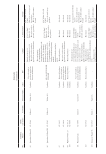
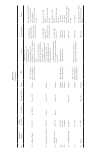
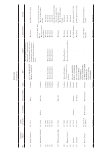
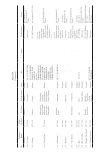
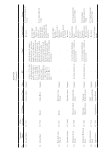
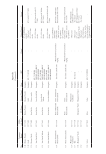
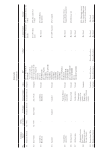
453 COSMETIC COLORATION: A REVIEW disulfonates more than 85.0% ~ 101.0%. Therefore, any colorants imported from the EU and United States can be used. In summary, we have discussed the general properties of synthetic colorants. It is import- ant to understand the structural features of colorants as their visual characteristics are easily affected. Synthetic colorants have intense and uniform color, high stability, and economical value. However, increased concern over misuse synthetic colorants led to the establishment of the regulatory system. After an assessment of each colorant, each country introduced its positive list of colorants, then established its impurity acceptance criteria as part of its specifications. These impurities may pose potential health treats when present in finished products. A comparative analysis of the colorant specifications of four entities was performed. The main regulatory challenges were that all countries have established their own sets of positive lists, specifications, and definitions of each colorant. The differences in regulatory systems may lead to misuse or confusion among consumers. INORGANIC COLORANTS Inorganic colorants have been used since ancient times, for example, ancient Egyptians used iron oxides extensively in tomb wall paintings (40). They are generally stable color- ing matters with a high heat stability, high chemical resistance, and low cost (41, 42). An inorganic colorant is defined as a dry, solid mineral that retains its color when ground to a fine powder (41). Inorganic colorants are chemically inert, insoluble compounds com- pared to organic colorants (42). They are classified as a pigment by definition because they are insoluble in the application medium. World production of colorants is estimated to 10,000,000 tons annually, about 80% of which are inorganic pigments (43). Titanium dioxide (66%), iron oxides (approx- imately 15%), and carbon black (approximately 10%) make up more than 90% of the pigments (44,45). Inorganic pigments are either produced naturally mined and synthetically manufactured (analogous to naturally occurring minerals). Specially, to provide stable color consistency and better strength, some inorganic pigments–such as iron oxides–are obtained by chemical routes rather than directly from the naturally occurring minerals. In the United States, colorants obtained primarily from mineral, plant, or animal sources are exempt from certification. Although they are exempt from certification, these colo- rants must conform to the identity, specification, restrictions, and labeling requirements in their individual listing regulations. Each country has its own positive list of inorganic pigments as well. For instance, mica is considered a colorant in the United States, but it is considered a general cosmetic ingredient rather than a colorant in the EU. The quality of inorganic pigments is also controlled through specifications. Heavy metal-based inorganic pigments such as lead, chromate, and cadmium pigments have limited or prohibited use in cosmetics. Other inorganic pigments may contain heavy metals a level that is not a threat to human health or the natural environment (46). In all four entities, the content of heavy metals (e.g., lead, arsenic, and mercury) in cosmetics is controlled by regulations. Titanium Dioxides. Titanium dioxide accounts for more than half of the worldwide use of inorganic pigments (45). Titanium dioxide is the whitest of all white pigments and is used extensively in the

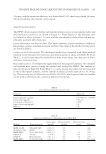
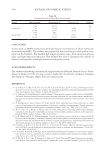
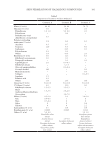
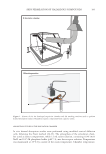
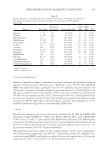
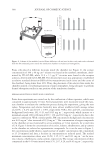
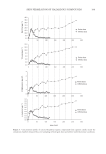
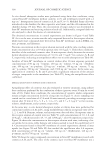
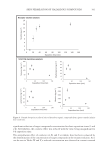
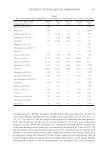
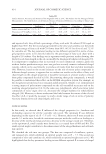
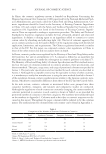
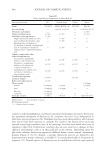
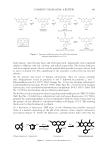
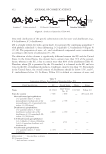
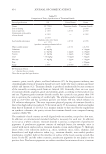
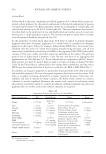
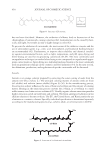
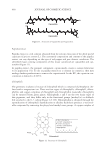
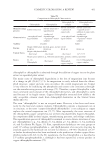
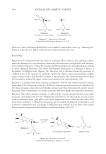
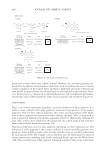
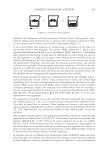
454 JOURNAL OF COSMETIC SCIENCE cosmetic, paint, textile, plastic, and food industries (47). In the pigment industry, two crystallographic forms of titanium dioxide are used: rutile (the most common and more stable) and anatase (42). Titanium dioxide is produced synthetically because resources of the naturally occurring rutile form are limited (40). Generally, there are two types of titanium dioxide, pigment-grade and ultrafine-grade, according to their particle size and use. Pigment-grade titanium dioxide usually has a particle size greater than 100 nm to optimize the scattering of visible light. The ultrafine-grade titanium dioxide is used as a UV filter and has a primary particle size below 100 nm, which enhance its UV radiation absorption. The most important physical property of titanium dioxide is that it has high refractive index (2.70 for rutile and 2.55 for anatase), which are higher than that of diamond (2.42) (42). In a manner similar to that used for the regulations on synthetic colorants, the purity criteria for titanium dioxide were compared among countries (Table VI). The standards of each country are well aligned with one another, except for a few tests. In addition, an international standard method is necessary for each test. In addition to its use as a white colorant, titanium dioxide is used as a component of pearlescent pigments. A pearlescent pigment consists of multiple layers for example, mica is coated with metal oxides such as titanium dioxide or iron oxides (Figure 7). Multiple layers with a low refraction index (e.g., mica, synthetic mica, silica, alumina, and borosilicate) and high refractive index (e.g., titanium dioxide, iron oxides) produce interference or reflect light at the interface or surface of the layers causing a pearl-like luster. In the EU and the other countries, pearlescent pigments do not appear on the positive lists. Pearlescent pigments are rather considered as mixtures of mica, titanium Table VI Comparison of Purity Specifications of Titanium Dioxide Purity Specification EU United States Korea Name CI 77891 Titanium dioxide Titanium dioxide Loss on drying ≤ 0.5% — ≤ 0.5% Loss on ignition ≤ 1.0% ≤ 0.5% ≤ 0.5% Aluminium oxide and/or silicon dioxide ≤ 2.0% — ≤ 2.0% Acid soluble substances ≤ 0.5% (alumina, silica -free basis) or ≤ 1.5% (product containing alumina/silica) ≤ 0.5% ≤ 0.5% Water soluble matter ≤ 0.5% ≤ 0.3% ≤ 0.25% Cadmium ≤ 1 mg/kg — ≤ 1.0ppm Antimony ≤ 2 mg/kg ≤ 2ppm ≤ 2.0ppm Arsenic ≤ 1 mg/kg ≤ 1ppm ≤ 1.3ppm Lead ≤ 10 mg/kg ≤ 10ppm ≤ 10ppm Mercury ≤ 1 mg/kg ≤ 1ppm ≤ 1.0ppm Zinc — — ≤ 50ppm Assay ≥ 99% ≥ 99.0% ≥ 99.0% EU: European Union. “—”: does not have a criteria. China has no specified specification.
Purchased for the exclusive use of nofirst nolast (unknown)
From: SCC Media Library & Resource Center (library.scconline.org)