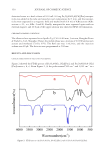
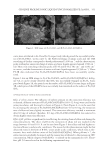
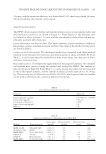
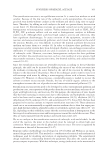
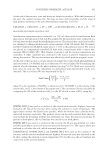
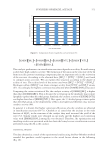
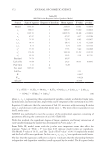
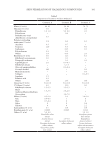
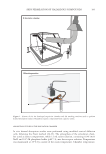
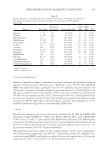
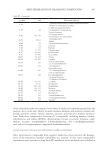
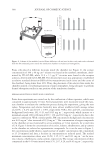
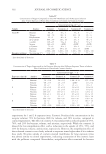
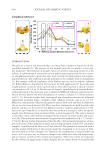
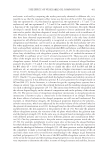
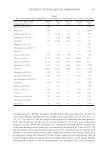
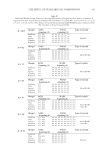
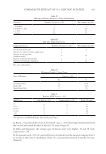
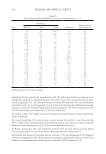
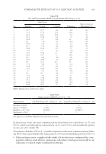
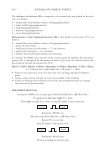
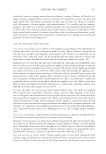
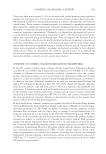
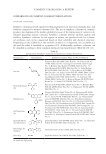
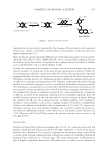
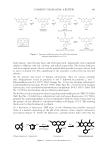
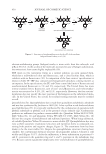
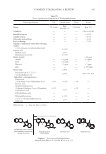
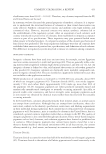
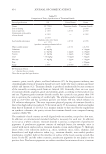
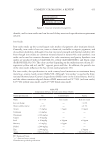
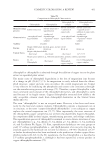
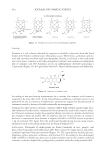
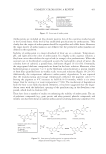
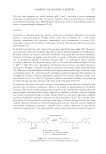
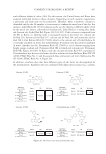
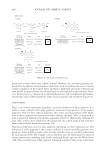
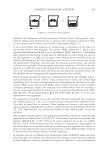
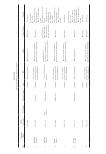
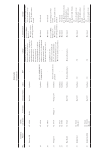
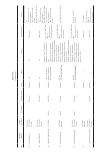
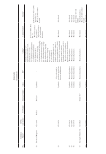
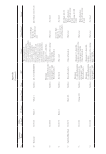
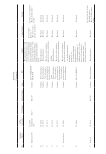
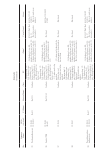
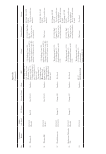
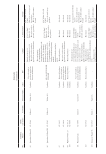
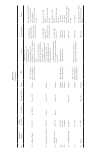
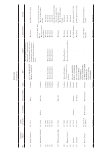
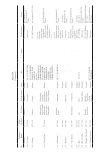
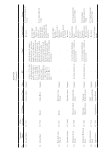
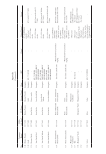
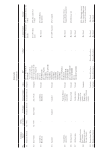
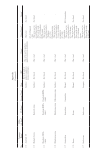
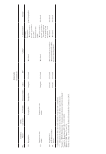
455 COSMETIC COLORATION: A REVIEW dioxide, and/or iron oxides and can be used if they meet each specification requirement (48,49). Iron Oxides. Iron oxides make up the second largest sales market of pigments after titanium dioxide. Generally, iron oxide is low-cost, inert to chemicals, insoluble in organic pigments, and of excellent durability, although it has low tinctorial strength and thermal stability (46). Even though iron oxides are common minerals found in nature (40), only synthetic iron oxide can be used in cosmetics because of its color consistency and purity. Synthetic iron oxides are produced with red (α-Fe(III) 2 O 3 ), yellow (α-Fe(III)O(OH)), and black colors (Fe(II)O·Fe(III) 2 O 3 ) (50). The color can vary depending on the oxidation state of iron. Fe3+ represents yellow and red, and Fe2+ appears green and blue. In addition, the particle size of the iron oxides influences the hue of iron oxide pigments (50). For iron oxides, the specifications in each country have limitations on maximum heavy metal (e.g., arsenic, lead) content (Table VII). Although “iron oxides” is used as the Inter- national Nomenclature Cosmetic Ingredients (INCI) name in the United States, the EU, and the other countries adopted distinct INCI names such as CI 77491 (red iron oxide), CI 77492 (yellow iron oxide), and CI 77499 (black iron oxide). metal oxides colorants (optional) substrate with low RI Figure 7. Structure of pearlescent pigments. Table VII Comparison of Purity Specifications of Iron Oxides Purity Specification EU United States Korea Name CI 77491 Iron oxides Red iron oxide Loss on drying — — ≤ 1.0% Water soluble matter ≤ 1.0% — ≤ 0.3% Arsenic ≤ 3 mg/kg ≤ 3ppm ≤ 10ppm Cadmium ≤ 1 mg/kg — — Chromium ≤ 100 mg/kg — — Copper ≤ 50 mg/kg — — Lead ≤ 10 mg/kg ≤ 10ppm ≤ 10ppm Mercury ≤ 1 mg/kg ≤ 3ppm — Nickel ≤ 200 mg/kg — — Zinc ≤ 100 mg/kg — ≤ 50ppm Assay ≥ 68% (as iron) — ≥ 90.0%(as Fe 2 O 3 ) EU: European Union. “—”: does not have a criteria. China has no specified specification.

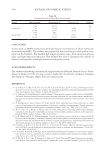
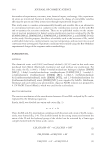
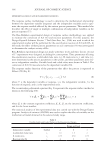
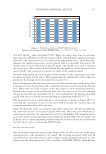
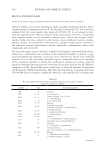
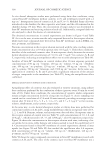
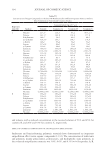
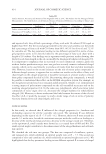
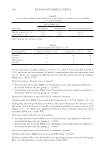
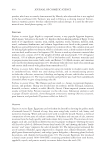
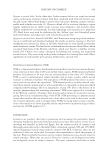
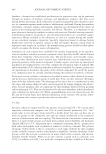
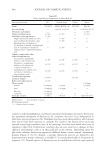
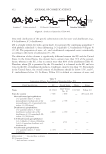
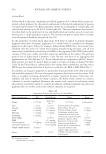
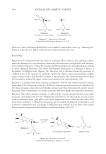
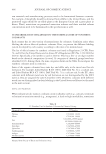
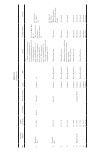
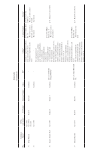
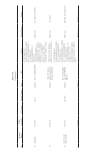
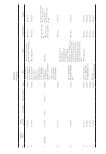
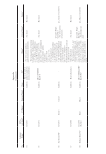
456 JOURNAL OF COSMETIC SCIENCE Carbon Black. Carbon black is the most commonly used black pigment (46). Carbon black is pure ele- mental carbon produced by the partial combustion or thermal decomposition of gaseous or liquid hydrocarbons (42). Black pigments adsorb all wavelengths of visible light, and carbon black adsorbs up to 99.8% of visible light (42). The most important characteristic of carbon black is the small particle size and highly developed surface area of its particles, which gives it a high adsorption capacity. The tinting strength of carbon black is known to be determined chiefly by the particle size (51). As the properties of carbon black align more with those of typical or general inorganic pigments than those of organic pigments (52), carbon black is considered an inorganic pigment in this report. Polycyclic aromatic hydrocarbons (PAHs) have been found to be adsorbed onto the surface of carbon black during manufacturing processes, and all four entities have established content limits for PAHs in the pigment (Table VIII) Carbon black consists of 95% pure carbon and other impurities adsorbed on the surface. The primary particle size of carbon black is between 5 and 500 nm, and those of its aggregates and agglomerates are 100–800 nm (53). To use carbon black as a pigment in the EU, the pri- mary particle size must be greater than or equal to 20 nm, according to Annex VI (entry 126a). In the United States, carbon black is not exempt from certification, and the correct INCI name for carbon black after it has been certified by the FDA is D&C Black No. 2. In summary, an inorganic pigment is a ground fine mineral powder with chemically inert and insoluble properties. The use of inorganic pigments dates back to ancient times. Still, there is a steadily increasing demand for inorganic pigments because of their low cost, stability, and lack of toxicity. In many countries, the heavy metal content in cosmetic colorants is strictly regulated. However, the variety and content of each heavy metal allowed may vary from country to country. In addition, uniform standards on pearlescent pigments that are widely used in the cosmetic industry are required. Table VIII Comparison of Purity Specifications of Carbon Black Purity Specification EU United States China Korea Name CI 77266 D&C Black No. 2 CI 77266 Carbon black Ash ≤ 4.0% ≤ 0.15% Limit for polycyclic aromatic hydrocarbons: for 1g of Colorant samples, 10g of Cyclohexane is added, after continuous extraction in the extractor, the extraction liquid should be colorless, whose fluorescent intensity under ultraviolet rays shall not exceed that of control solution of quinine sulfate(0.1mg quinine sulfate dissolve in 1000mL 0.01mol/L sulfuric acid solution) — Arsenic ≤ 3 mg/kg ≤ 3 mg/kg ≤ 3ppm Lead ≤ 2 mg/kg ≤ 10 mg/kg ≤ 10ppm Mercury ≤ 1 mg/kg ≤ 1 mg/kg — Cadmium ≤ 1 mg/kg — — Total Sulfur — ≤ 0.65% ≤ 0.65% PAH Benzo[a]pyrene Dibenz[a,h]anthracene — ≤ 50 μg/kg — ≤ 0.5 mg/kg ≤ 0.005 mg/kg ≤ 0.005 mg/kg ≤ 0.5ppm ≤ 5ppb ≤ 5ppb Alkali soluble matter Colorless — — Assay ≥ 95% ≥ 95% ≥ 95.0% EU: European Union. “—”: does not have a criteria.
Purchased for the exclusive use of nofirst nolast (unknown)
From: SCC Media Library & Resource Center (library.scconline.org)