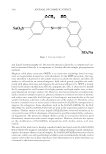
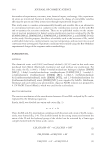
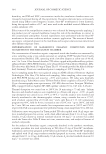
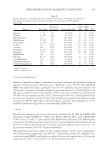
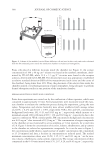
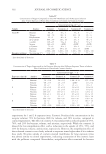
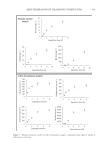
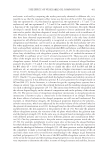
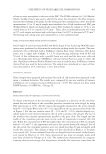
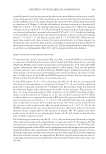
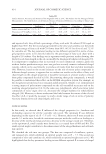
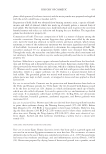
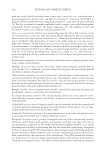
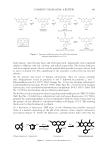
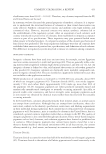
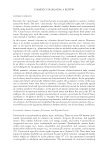
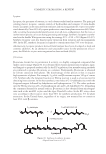
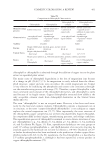
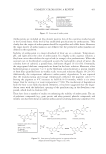
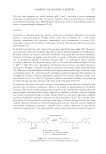
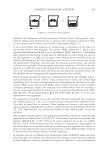
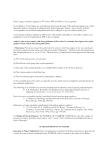
459 COSMETIC COLORATION: A REVIEW Lycopene. Lycopene, the precursor of carotene, is a red colorant easily found in tomatoes. The principal coloring matter, lycopene, consists entirely of hydrocarbon and contains 13 trans-double bonds. Lycopene can be extracted from tomatoes and microorganisms (B. trispora) or synthe- sized chemically. Over 60% of lycopene production comes from plant extraction (66). Natu- rally occurring lycopene predominantly exists in an all-trans-configuration, but the trans-cis isomerization process can occur during processing and storage. Synthetic lycopene is synthe- sized via the double Wittig reaction using the strategy C15 + C10 + C10 (Figure 10) (67). Synthetic lycopene costs less than lycopene extraction from tomatoes and microorganisms (66). In the EU, synthetic lycopene is required to contain more than 70% trans-lycopene. Alternatively, lycopene products derived from biomass have been developed as food and cosmetic additives. As an alternative and sustainable source for the production of lyco- pene, the Blakeslea trispora microorganism has been utilized (68,69). ß-Carotene. β-carotene, known for its provitamin A activity, is a highly conjugated compound that makes carrots orange (Figure 8). It is obtained from various natural sources (plants, algae, and fungus) or prepared synthetically. In the EU regulation, four manufacturing methods are permitted to produce β-carotene as a colorant. Traditionally, β-carotene is obtained by solvent extraction from plants. The disadvantage of this process is that it requires high quantities of plants. For example, 2 g of α- and β-carotene requires 50 kg of carrots (70). Synthetically, the Grignard reaction or Wittig reaction is used as a key reaction for obtaining beta-carotene. In the first synthesis, two moles of C-19 aldehydes react with the Grignard reagent followed by dehydration and hydrogenation (71). The other synthesis uses the Wittig reaction of C-15 phosphonium salt and C-10 dialdehyde (71). Regarding the consumer demand for natural sources, β-carotene is also obtained from microorgan- isms such as the mold B. trispora and the algae Dunaliella salina. In the EU, assay values vary according to their sources: more than 96% for synthetic production, 5% for plant extraction. In the United States, regardless of its origin, raw material has to contain at least 96% total β-carotene. O O PPh3X C 10 -dialdehyde C 15 -phosphonium salt + 2 via Wittig reaction Lycopene Figure 10. Synthesis of synthetic lycopene. Adapted from Ernst et al. (67).

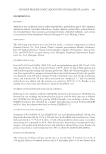
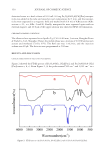
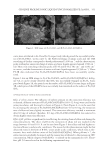
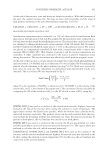
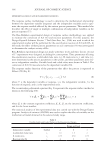
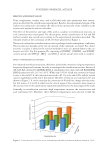
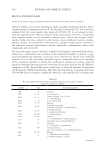
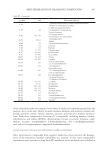
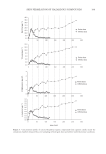
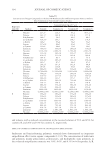
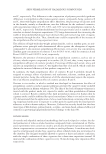
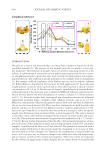
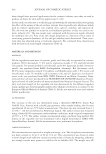
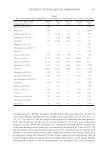
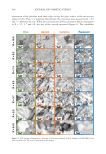
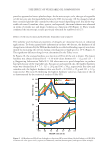
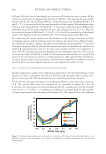
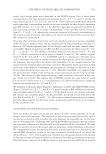
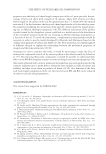
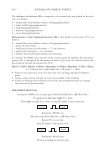
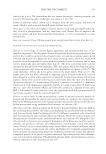
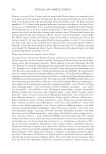
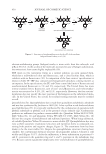
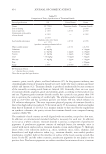
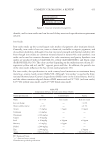
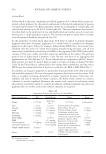
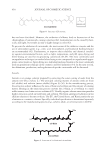
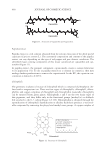
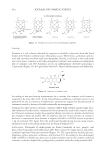
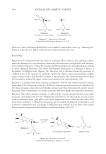
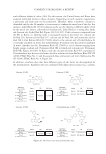
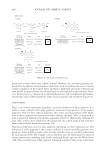
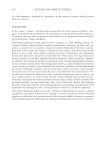
460 JOURNAL OF COSMETIC SCIENCE Paprika Extract. Paprika extract is a red colorant obtained from the solvent extraction of the dried pod of capsicum (Capsicum annuum L.). The carotenoid composition and content of the paprika extract can vary depending on the type of red pepper and geo-climatic conditions. The identified major coloring components of this major carotenoid are capsanthin and cap- sorubin (Figure 11). In paprika extract, the pungent component, capsaicinoids, creates a serious limitation to its application (72). To use as paprika extracts as a colorant in cosmetics, they may undergo further purifications to remove the capsaicinoids. In the EU, the capsaicin con- centration is limited to 0.025%. Chlorophylls. The greenness in plants is because of chlorophyll which is composed of pheophytin che- lated with a magnesium ion. There are four types of chlorophylls: chlorophyll, chloro- phyllin, and copper complexes of chlorophyll and chlorophyllin. Generally, chlorophylls can be extracted from green plants. Chlorophylls a and b are the two major types of this pigments, and they differ only in the functional groups [methyl (a) or aldehyde (b)] attached to the C-7 carbon (Figure 12) (56). Chlorophyllin is obtained through the saponification of chlorophyll. Saponification or alkaline hydrolysis produces a water-sol- uble compound by removing the phytyl and methyl ester groups. A copper complex of O O HO OH Capsorubin O OH HO Capsanthin Figure 11. Structures of Capsanthin and Capsorubin. Figure 12. Structure of chlorophyll.
Purchased for the exclusive use of nofirst nolast (unknown)
From: SCC Media Library & Resource Center (library.scconline.org)