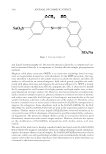
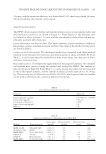
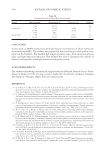
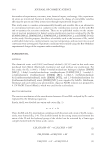
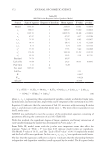
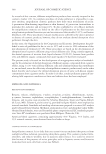
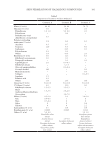
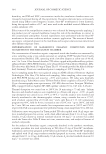
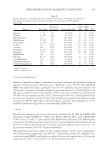
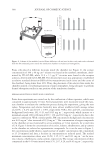
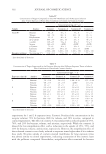
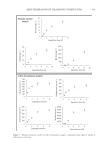
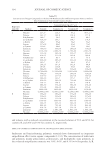
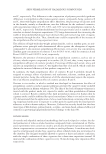
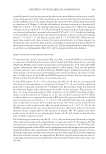
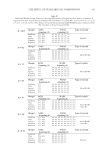
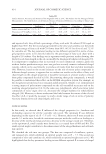
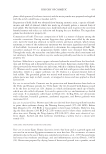
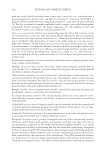
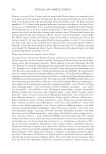
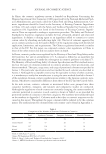
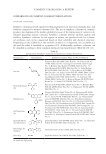
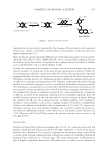
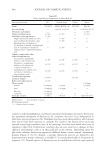
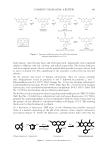
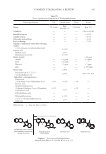
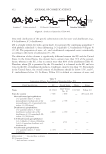
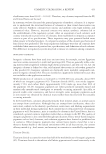
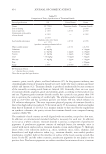
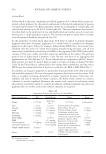
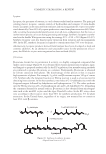
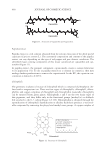
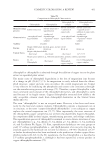
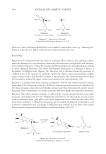
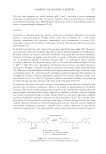
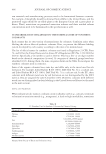
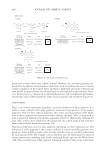
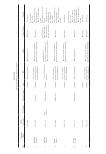
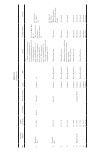
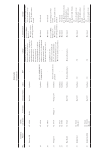
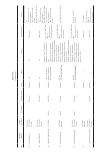
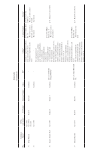
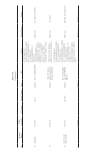
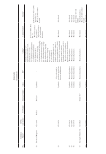
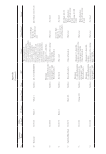
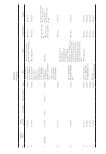
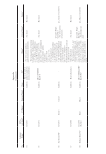
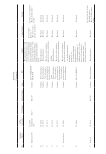
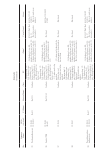
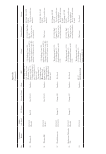
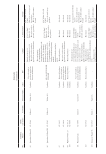
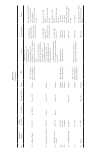
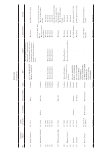
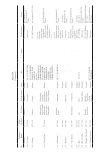
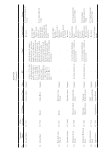
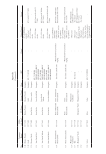
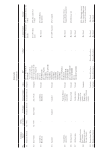
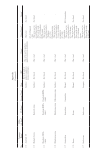
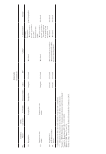
461 COSMETIC COLORATION: A REVIEW chlorophyll or chlorophyllin is obtained through the addition of copper ions to the plant extract or saponified plant extract. The major cause of chlorophyll degradation is the loss of magnesium ions because of a change in pH (56,62,73,74). As magnesium is easily isolated from the chloro- phyll structure, copper and zinc ions can replace the central magnesium ion. Copper is very effective for stabilizing the pheophytin and creates color consistency through- out the manufacturing process and storage (75). Therefore, copper chlorophyllin is the most commonly used colorant of the chlorophyll derivatives, and chlorophyll is rarely used because of its fragile nature. Copper chlorophyllin extracted from alfalfa is the only acceptable colorant made from chlorophyll derivatives in the United States (Table IX) (76). The term “chlorophyllin” is not an accepted name. However, it has been used incor- rectly by the food and cosmetic industry. Chlorophyllin contains a magnesium ion in its structure, so the term “copper-chlorophyll/chlorophyllin” is not adequate as copper replaces the central magnesium ion (75,77). Most importantly, the exact structure of the chlorophyllin-copper complex has not yet been elucidated fully. Copper chlorophyl- lin components differ in their origins, manufacturing processes, and storage conditions. The saponification process of chlorophyll is assumed to create diverse structures of cop- per chlorophyllins (e.g., Cu-chlorin e6, Cu-rhodin g7, Cu-chlorin e4, Cu-isochlorin e4, and Cu-chlorin P6 Figure 13). First, saponification hydrolyzes two ester groups to yield 132-carboxy pyropheophorbide a., and the β-ketoester of an isocyclic ring may be attacked again by the hydroxide ion to form Cu-chlorin e 6 (78–80). Oxidation at C132 or further decarboxylation has been attributed to the production of other copper chloro- phyllin products (81,82). In the EU regulations, the Cu-chlorophyllin a is described as 132-carboxy pyropheophorbide a, although it has been reported as a minor product in copper chlorophyllin mixtures (75). Table IX Comparisons in Chlorophyll Characteristics Chlorophylls Chlorophyllin Chlorophyll-Cu complex Chlorophyllin-Cu complex Manufacturing process Solvent extraction Solvent extraction + saponification Solvent extraction + addition of copper salts Solvent extraction + saponification + addition of copper salts Characteristics · ester-phytol bond (lipid-soluble) · product of saponification: → polarity↑ (water- soluble) · ester-phytol bond (lipid-soluble) · product of saponification: → polarity↑ (water- soluble) Stability Unstable Stable Europe Origin: edible plant material, grass, lucerne, nettle E 140 (i) E 140 (ii) E 141 (i) E 141 (ii) United States Origin: dehydrated alfalfa · Not listed · Not listed · Not listed §73.2125 Korea Origin: green plants (e.g., Chlorella pyrenoidosa, spinach, comfrey, spirulina) 64. (1) Chlorophylls · Not listed 64. (2) Chlorophyll- copper complex 64. (3) Chlorophyllin- copper complex

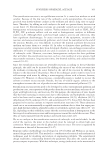
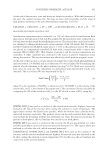
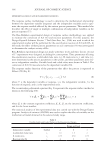
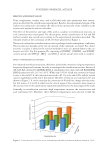
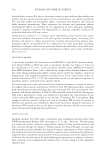
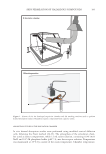
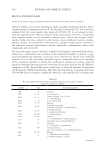
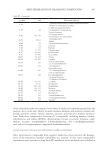
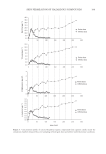
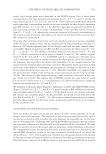
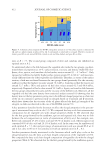
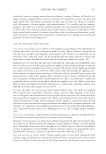
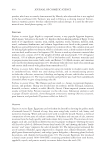
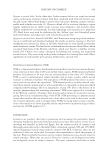
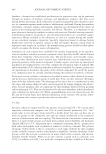
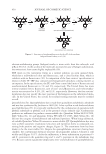
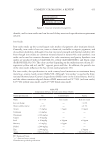
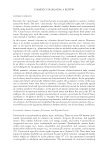
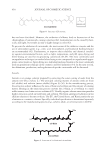
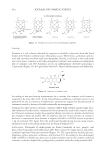
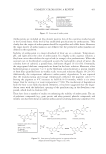
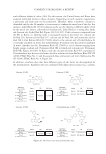
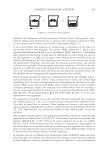
462 JOURNAL OF COSMETIC SCIENCE Carmines. Carmine is a red colorant obtained by aqueous or alcoholic extraction from the dried bodies of the female cochineal insect (Dactylopius coccus). Three terms–cochineal, carminic acid, and carmines–are often used interchangeably. Strictly, a cochineal is the crude body of a cactus insect, carminic acid is the principal red colorant, and carmine is an aluminum lake of carminic acid (83). Carminic acid is an anthraquinone derivative possessing a C-glycoside (Figure 14). A C-glycosidic bond at C 7 offers stability against acid hydrolysis. According to the specification requirements for a carmine, the carminic acid content is required to be more than 50%. In the United States and Korea, cochineal extract is not permitted for use in cosmetics. Furthermore, carmines are required to be pasteurized or otherwise treated to destroy all viable salmonella microorganisms. Compared to other natural colorants, carmines exhibit high stability against light, heat, and oxidation. For this reason, carmines have been extensively used in the cosmetic indus- try. However, numerous studies have reported allergic reactions to carmine colorants but not enough to harm the public (84). In addition, the use of insect bodies in cosmetics has been a controversial issue because it requires 80,000 to 100,000 insects to produce 1 kg of cochineal (56). Apart from the traditional manufacturing process using insects, alternatives such as microbial production are being developed (85). Anthocyanins. Thousands of anthocyanins are found commonly in red-, purple-, and blue-colored vegetables and edible fruits (86). They consist of a sugar moiety and antho- cyanidins (aglycone) from glycosylation (Figure 15). The sugar moiety includes glucose, rhamnose, xylose, galactose, arabinose, and fructose (87). According to the substituents (OH or OCH 3 ) in the B ring, there are six anthocyanidins used in the cosmetic and food colorants: cyanidin, delphinidin, pelargonidin, peonidin, malvidin, and petunidin (88). Figure 13. Possible structures of Cu-chlorophyllin complexes. Figure 14. Structure of carminic acid.
Purchased for the exclusive use of nofirst nolast (unknown)
From: SCC Media Library & Resource Center (library.scconline.org)