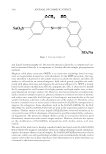
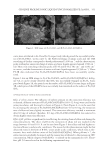
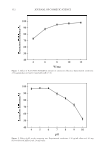
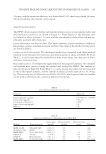
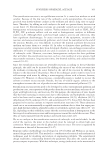
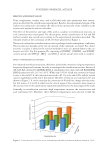
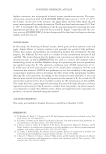
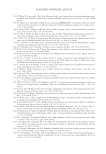
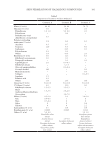
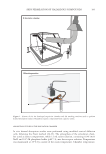
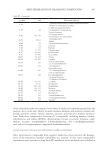
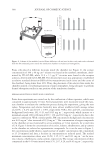
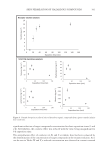
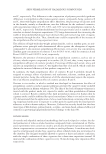
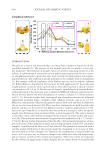
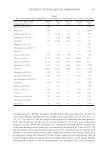
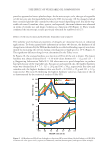
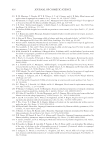
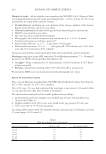
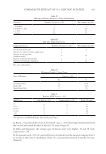
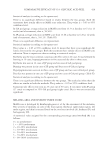
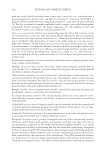
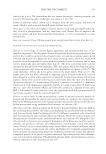
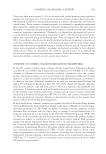
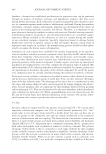
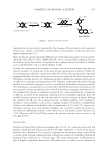
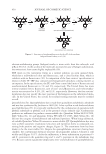
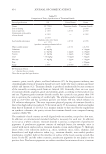
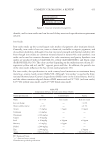
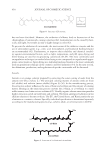
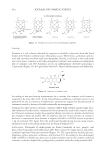
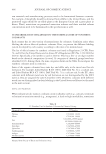
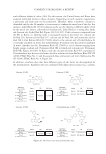
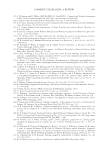
463 COSMETIC COLORATION: A REVIEW Anthocyanins are included on the colorant positive lists of the countries studied except in the United States. Only the EU has established specifications for anthocyanins. They clarify that the origin of anthocyanins should be vegetables and edible fruits. However, the sugar moiety of anthocyanins is not defined, but the permitted anthocyanidins are defined in the regulation. Stability of anthocyanin is a major drawback of their use as a colorant. Temperature, pH, and light affect the color of anthocyanin. In a highly acidic aqueous solution, a flavylium cation that exhibits the typical red (or orange) color predominates. When the oxonium ion in the flavylium compound accepts the nucleophilic attack of water, the colorless form of carbinol, a pseudo-base, dominates (Figure 16 (1)) (56). Eventually, the ring-opened chalcone compounds are found in the basic solution. Moreover, a free hydroxyl group at position 7 or 4’ in the flavylium cation facilitates a proton transfer to form blue quinoidal bases in weakly acidic or neutral solutions (Figure 16 (2)) (56). Additionally, the temperature influences anthocyanins’ degradation. It was reported that the manufacturing and storage temperatures influence the pigment color (77). Storing the pigment at 4°C increases its half-life 8–10 months, which is six times longer than for storing it at room temperature (77,89). The mechanism of degradation from the heat is not fully elucidated. However, it has been suggested that the degra- dation starts with the hydrolytic opening of the pyrylium ring in the flavylium com- pound, which leads to chalcone (90). There have been a number of studies on enhancing the stability of anthocyanin. The use of polymeric compounds (e.g., gum, pectin, and whey protein), phenolic compounds, and metallic ions have been shown to stabilize anthocyanins by forming molecular complexes (91). Figure 15. Structure of anthocyanin. Figure 16. Structures of anthocyanins in aqueous solution. Adapted from Delgado-Vargas et al. (56).

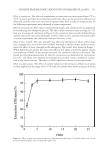
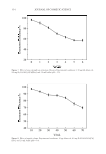
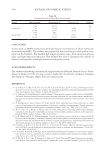
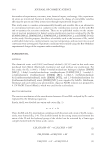
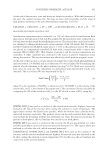
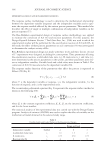
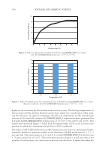
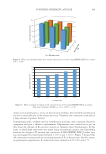
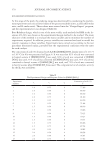
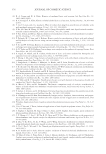
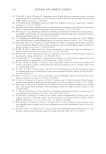
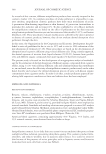
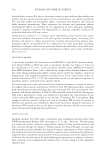
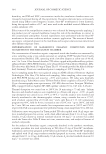
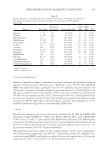
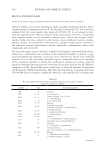
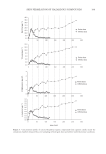
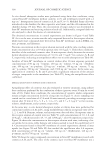
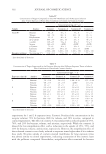
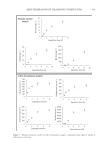
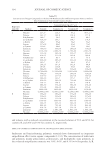
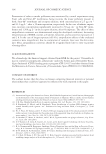
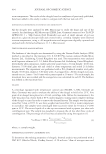
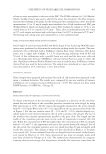
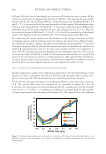
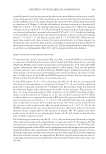
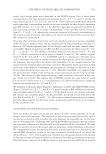
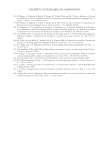
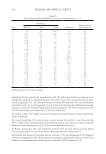
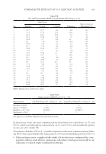
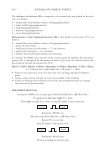
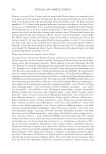
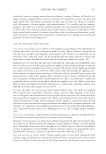
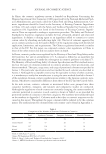
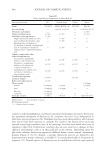
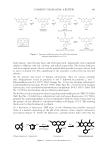
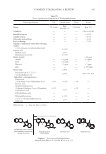
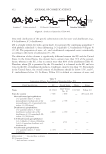
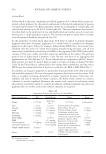
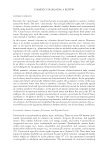
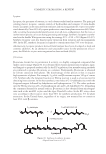
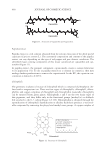
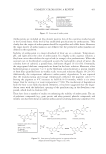
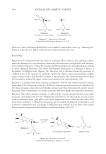
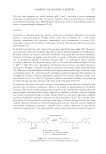
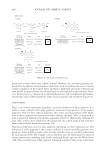
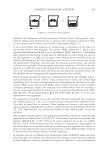
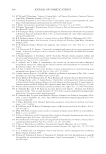
464 JOURNAL OF COSMETIC SCIENCE However, these stabilization methods were confine to particular cases (e.g., showing sta- bility at a specific low pH or temperature) rather than general cases. Beetroot Red. Beetroot red is obtained from the roots of red beets (Beta vulgaris). Its coloring compo- nents are heterocyclic ring betalains consisting of betacyanins (red-purple) and betaxan- thins (yellow) (Figure 17) (92). Betacyanins and betaxanthins are distinguished according to their chemical structure. The most well-known betacyanin is a betanin 9 that is a betanidin 5-O-β-glucoside (Figure 18). Beetroot red is obtained from the pressing of crushed beets or by aqueous or alcoholic extraction. Direct extraction includes a high- sugar content with a low betalain content. Consequently, the fermentation process may be included to reduce the sugar content and improve the color intensity (56). Betanin is considered the main coloring component, and the raw material should contain more than 0.4% of betanin in the EU. In Korea, isobetanine and betanine are considered as the main coloring components and should contain more than the indicated content in raw materials. Two countries have set limits on nitrate which are high concentrated in beetroots. Beetroot, like other natural colorants, is affected by several external factors: heat, pH, moisture, and metal ions (77,93). Hydrolysis–is known to be affected by several factors such as moisture, heat, and pH–is the most important factor affecting the color shift from red to yellow (77). Betanins (iminium ion) are readily hydrolyzed to betalamic acid (carbonyl compound) and cyclo-Dopa 5-O-β-glucoside (amine) to lose their color under the increased temperature and alkaline conditions (Figure 18) (92). Figure 17. Structures of betalains. Adapted from Rodriquez-Amaya et al. (92). Figure 18. Hydrolysis of betanin. Adapted from Rodriquez-Amaya et al. (92).
Purchased for the exclusive use of nofirst nolast (unknown)
From: SCC Media Library & Resource Center (library.scconline.org)