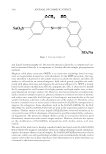
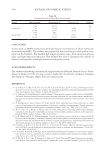
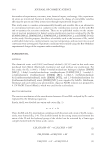
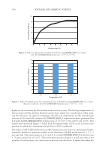
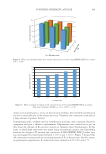
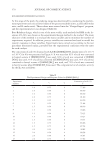
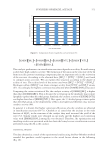
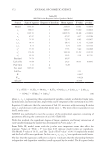
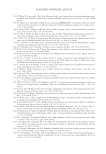
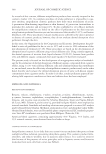
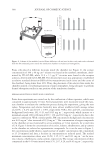
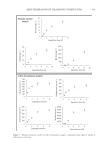
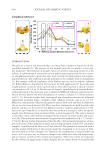
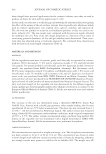
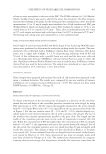
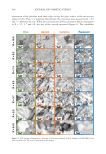
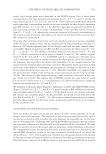
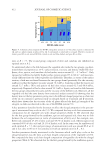
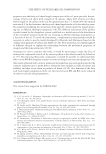
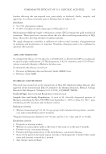
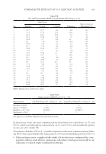
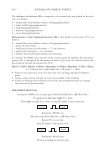
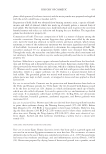
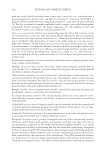
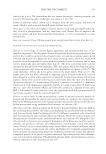
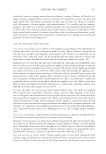
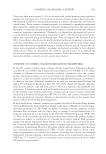
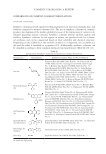
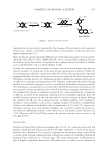
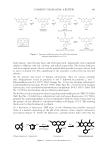
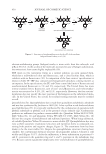
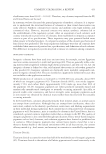
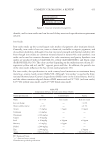
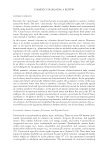
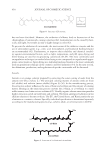
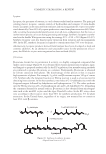
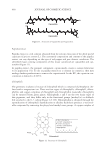
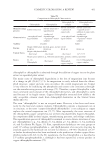
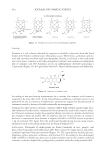
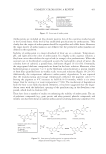
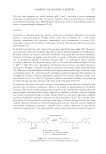
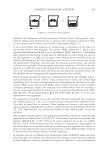
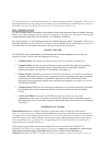
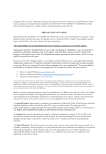
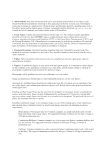
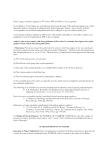
465 COSMETIC COLORATION: A REVIEW The fact that betanins are stable between pH 3 and 7 provides a strong advantage compared to anthocyanins (94). To protect betanins from external factors, encapsula- tion methods are being used. Maltodextrin and gum are used as encapsulating agents in freeze- or spray-drying techniques (95,96). Curcumin. Curcumin is obtained from the solvent extraction of turmeric (rhizomes of Curcuma longa L.). Curcumin produces bright yellow color close to Yellow No. 5. The major coloring components are curcumin, desmethoxy- and bisdemethoxy curcumin (56). Curcumin consists of a mixture of tautomers: the enol form (more stable) and the keto form (Figure 19). In the EU’s specification, the content of curcumins should be more than 90%. To gain a concentrated content of curcumins, the extract may be purified further by crystallization. Residual solvents are limited in the EU and Korea. Curcumin has low water solubility however, it dissolves in organic solvents such as acetone, methanol, and dichlorometh- ane. It decomposes rapidly in alkaline solutions (pH 7), although it shows stability in acidic conditions. In a previous report, 90% of curcumin decomposed within 30 min at pH 7.2 (98). The exact degradation mechanism has not been elucidated, however, curcumin is thought to degrade through an oxidation mechanism rather than hydrolysis (99). Moreover, curcumin has been found to decompose from visible light in both its solid and solution states. In a previous study, curcumin powder decomposed after exposure to sunlight for 120 h to colorless compounds: vanillin (34%), ferulic aldehyde, ferulic acid, and vanillic acid (0.5% each) (97). Again, to enhance curcumins’ stability, encapsulation by freeze-drying and spray drying is the most used technique (100,101). In summary, this report discussed colorants from natural origins that are included on the positive lists of cosmetic regulation. There is no widely accepted definition of natural colorants. The use of natural colorants has increased as the clean beauty trend has become more popular. Customers believe that compared to synthetic colorants, natural colorants have greater potential benefit to public health. However, the most important problem and main drawback of natural colorants are their instability issues. To overcome these limitations, the encapsulation technique using spray- or freeze-drying methods has been studied. Natural colorants are defined ambiguously and are relatively loosely regulated and studied compared to synthetic colorants. First, a correct definition of each natural colorant is required (e.g., Cu-chlorophyllin, anthocyanins). Second, permitted origins of Figure 19. Tautomerization of curcumin. Adapted from Jankun et al. (97) and Delgado-Vargas et al. (56).

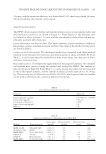
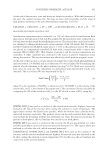
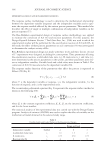
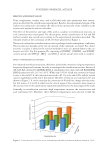
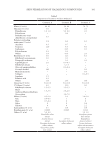
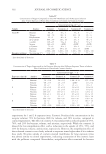
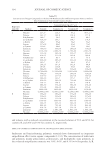
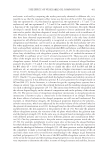
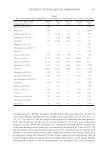
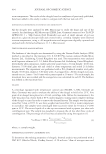
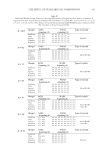
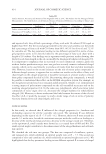
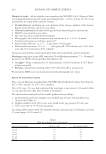
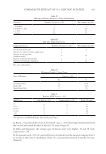
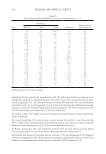
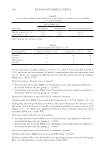
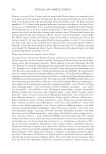
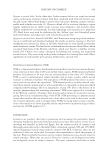
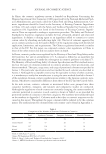
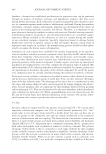
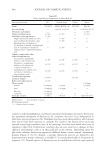
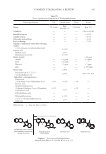
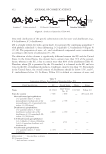
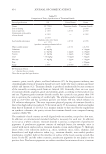
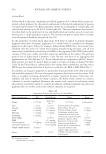
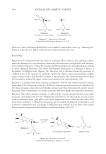
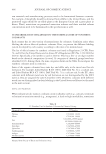
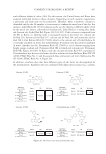
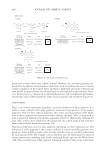
466 JOURNAL OF COSMETIC SCIENCE raw materials and manufacturing processes need to be harmonized between countries. For example, chlorophylls should be obtained from alfalfa in the United States, and the permitted origin should be an edible plant in the European Union and a green plant in Korea. Third, restrictions on permitted extraction solvents and their residual solvent concentrations need to be harmonized in the specifications as well. STANDARDIZATION CHALLENGES IN THE NOMENCLATURE OF SYNTHETIC COLORANTS Each country has its own version of nomenclature for colorants. Confusion arises when labeling the salts or lakes of synthetic colorants. Here, we present the different labeling system developed by each country according to the rules of its nomenclature. The list of official names for synthetic colorants are found in Regulation 21 CFR, Parts 74, and 82 for the United States and in Annex IV of Regulation (EC) No. 1223/2009 for the EU. Specifically, a CI number is used in the EU. This has a five- or six-digit number based on the chemical composition. In total, 34 categories of chemical groups have been identified (102). Among them, the nine categories shown in the Table X encompass the synthetic colorants used in cosmetics. Some of the organic colorants have same dye and differ only in the metal used for salt formation. For example, Lithol Rubine B (CI 15850, D&C Red No. 6) is a sodium salt, and Lithol Rubine BCA (CI 15850, D&C Red No. 7) is a calcium salt. In the EU, these colorants with different metal ions for salt formation are not distinguished by the INCI name as they are assigned the same CI number (103). However, colorants with different metal ions are distinguished in their labeling in the United States and Korea (as discussed in the next section). METAL SALT PIGMENTS When sodium salt dye replaces a sodium cation in alkaline earth (e.g., calcium, strontium or barium) or transition metals (e.g., manganese), it leads to high insolubility, sometimes Table X CI Numbers Used in Synthetic Colorants by Chemical Group Chemical Group CI Number Nitroso CI 10000–10299 Nitro CI 10300–10999 Azo CI 11000–19999 (mono) CI 20000–29999 (di) Triarylmethane CI 42000–44999 Xanthene CI 45000–45999 Quinoline CI 47000–47999 Anthraquinone CI 58000–72999 Indigos CI 73000–73999 Phthalocyanine CI 74000–74999 Adapted from Society of Dyers and Colourists (102).
Purchased for the exclusive use of nofirst nolast (unknown)
From: SCC Media Library & Resource Center (library.scconline.org)