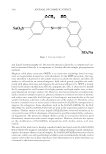
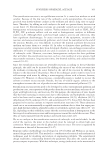
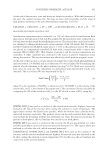
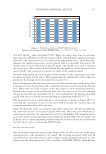
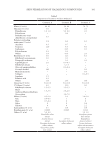
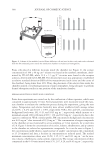
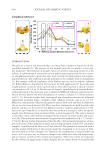
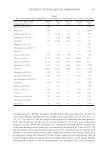
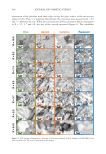
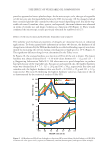
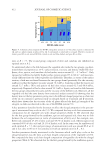
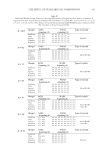
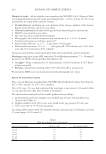
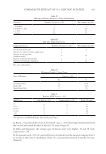
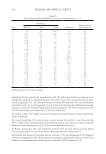
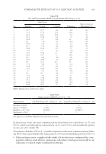
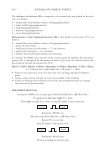
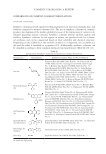
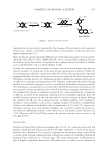
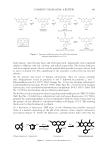
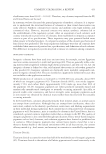
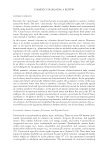
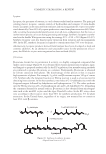
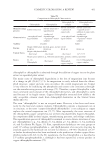
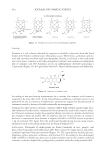
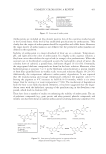
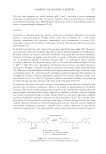
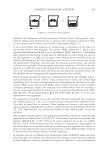
467 COSMETIC COLORATION: A REVIEW with different shades of colors (104). For this reason, the United States and Korea have assigned individual names to these colorants. Depending on each country’s regulations, a particular salt form may not be permitted. Therefore, when a synthetic colorant is identified only by the CI number, it is necessary to confirm the metal ion of the dye. For instance, Lithol Reds (CI 15630) is known as the azo dye that has a different shade of red by the metal ion, from a yellowish red (sodium salt: Lithol Red) to a strong blue shade red (barium salt: Lithol Red BA Figure 20) (104,105). If this colorant is imported from the EU to Korea, its labeling name is reassigned based on the metal ion: sodium salt for Red 205, barium salt for Red 207, calcium salt for Red 206, and strontium salt for Red 208. Lithol Rubine BCA (CI 15850), which is the calcium salt of Lithol Rubine B, is virtually insoluble in water, but Lithol Rubine B (sodium salt) has limited solubility in water. Another azo dye, Permanent Reds (CI 15865) is a red colorant ranging from bright orange (sodium salt: Permanent Red 2B) to bluish-red (calcium salt: Permanent Red F5R Figure 20) (105). In Korea, only the calcium salt form, Red 405, is permitted. Triarylmethane dye has two salt forms: the blue sodium salt form Brilliant Blue FCF (CI 42090, FD&C Blue No. 1) and the greenish-blue ammonium salt form Alphazurine FG (CI 42090, FD&C Blue No. 4 Figure 20). In addition, xanthene dyes that have different types of salt forms are distinguished by the nomenclature. Xanthene dyes are combined with alkali metal cations (e.g., sodium, Figure 20. Salt forms of azo and triarylmethane dyes.

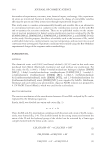
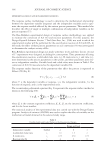
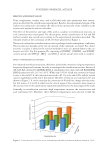
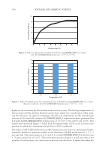
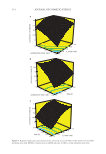
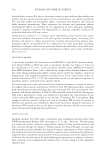
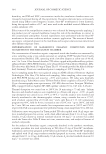
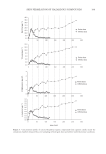
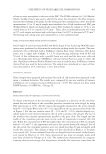
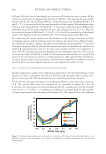
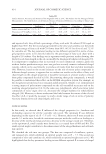
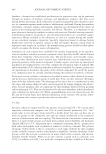
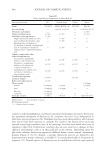
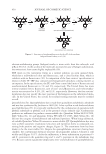
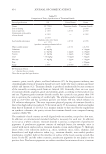
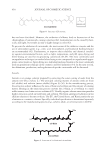
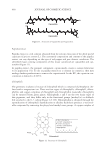
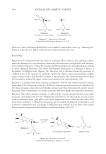
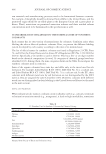
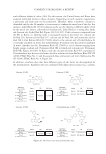
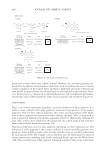
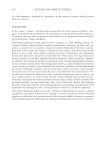
468 JOURNAL OF COSMETIC SCIENCE potassium) to make them more soluble in water. However, the insoluble pigments ren- dered after the addition of lead oxide or aluminum oxide to xanthene dye are not used as cosmetic pigments in the United States and Korea. Although salt forms of fluoresceins exist mainly in quinoid form, lactoid structures are still reported in the literature. How- ever, fluoresceins (e.g., fluorescein, tetrabromofluorescein, and tetrachlorotetabromofluo- rescein) may exist in three tautomeric forms: lactoid, quinoid, and zwitterion (Figure 21). LAKE PIGMENTS There is no current agreement regarding a universal definition of lake pigments. It is liable to cause confusion with other pigments toners and true pigments. In the organic pigments, there are three types of pigments: lake, toner, and true pigment (106). How- ever, as these pigments are mostly used with a diluent, the term “lake” is often used in some countries or industries for all three pigments (106,107). Historically, although the term “lake” refers to dyes adsorbed on the substratum, the current usage of this term may refer to the insoluble metal salt pigments (34). Numerous definitions exist for lake pigments depending on their industrial use. The definition of a lake pigment in the cosmetic industry is a water-insoluble pigment com- posed of a water-soluble straight color strongly adsorbed onto an insoluble substratum by a precipitant (108). The straight color is adsorbed onto the substratum by means of various interactions including ionic bonds, hydrogen bonds, and van der Waals forces (108). The overall process of lake pigment formation consists of three steps: substratum Figure 21. Salt forms of xanthene dyes.
Purchased for the exclusive use of nofirst nolast (unknown)
From: SCC Media Library & Resource Center (library.scconline.org)