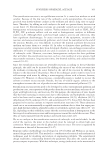
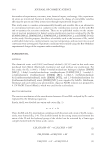
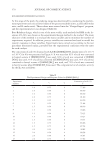
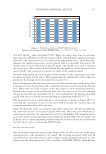
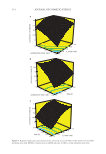
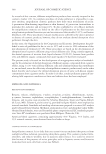
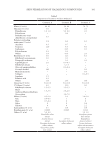
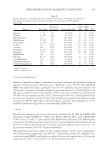
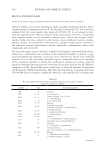
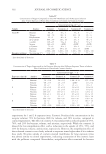
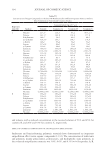
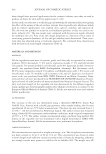
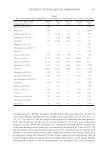
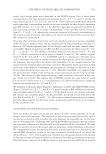
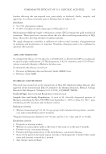
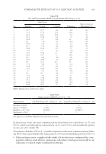
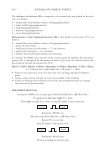
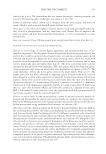
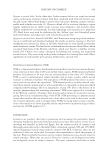
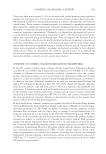
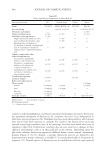
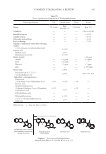
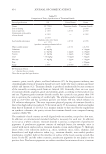
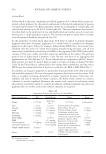
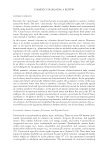
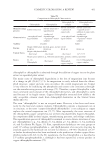
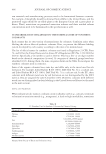
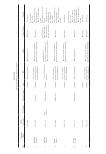
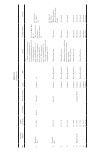
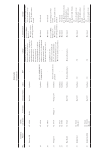
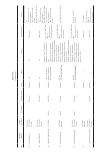
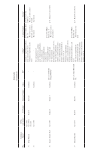
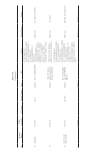
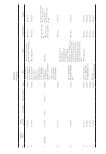
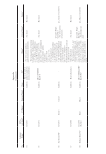
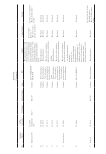
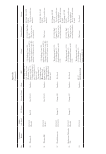
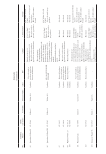
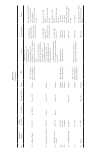
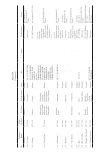
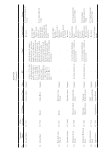
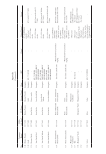
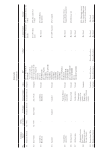
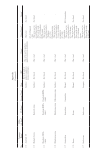
386 JOURNAL OF COSMETIC SCIENCE RESULTS AND DISCUSSION IDENTIFICATION OF TOBACCO SMOKE COMPOUNDS INSIDE THE SIMULATION CHAMBER Cigarette smoke is an aerosol consisting of small, gas-phase-suspended droplets with a complex chemical composition of over 8,700 identified constituents (27), but it has been estimated that the actual number may approach 100,000 (28). A vast amount of liter- ature has appeared since 1950 on tobacco-smoke constituents (29,30,31). Compounds from cigarette smoke can be classified as neutral gases, carbon and nitrogen oxides, amides, imides, lactames, carboxylic acids, lactones, esters, aldehydes, ketones, alcohols, phenols, amines, N-nitrosamines, N-heterocyclics, aliphatic hydrocarbons, monocyclic and polycyclic aromatic hydrocarbons, nitriles, anhydrides, carbohydrates, ethers, nitro compounds, and metals (32). The aim of this paper is not to provide a complete list of organic compounds from tobacco smoke but to demonstrate the usefulness of the simulation chamber to generate a pol- luted atmosphere that represents a situation close to the real one. In this sense, Table III provides a list of the potentially identified organic compounds after active sampling of the simulation chamber air during the simultaneous combustion of three cigarettes using the developed smoking machine. Identification has been done by TD-GC-MS after comparison of the obtained MS spectra with those of National Institute of Standards and Technology (NIST, Gaithersburg, MA) Mass Spectral Library, containing more than 300,000 MS spectra of organic compounds. Moreover, when possible, GC retention time Table III Retention Time and Selected Ions of Identified Analytes from Cigarette Smoke Inside the Simulation Chamber t R (min) m/z Potential analytes 1.61 43 Isoprene 1.95 55, 56 1-nitropentane 2.02 41, 43 Trans cyclopent-1-en-3,5-diol 2-, 3-methylfuran 2.30 77, 78 1,4-cyclohexadien 2.52 77, 78 Benzene 2.82 43, 55 2-methyl-4-pentenal Tetrahidro-4-methyl-3-methylenfuran 2.99 43, 79 5-methyl-1-hexin 4-isopropylcyclohexanol 3.08 95, 98 2,5-dimethylfuran 3.40 65, 66 Phenol 3.76 91 1-(1,3-butadienyl)-2-vinylcyclobutane [(cyclohex-1-en-3-yl)methyl]benzene 3.99 79 Pyridine 4.21 68 5,5’-oxibis[(E)-1,3-pentadiene] t-butyl acetylene 1S-(-)-N-(cyclopent-2-en-1-yl)hydroxylamine 4.43 91, 92 Toluene 4.61 77 5,5-dimethylcyclopentadiene 1-methylcyclohexa-2,4-diene (Continued)

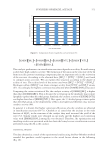
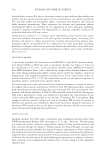
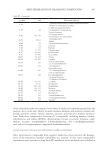
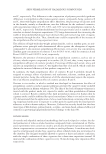
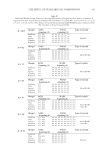
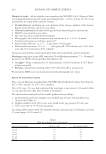
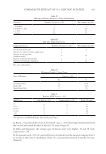
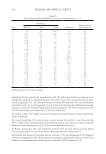
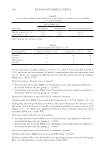
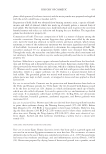
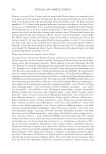
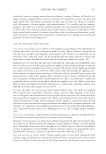
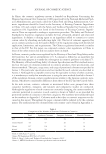
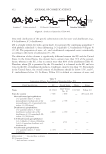
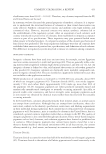
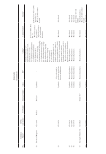
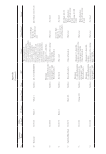
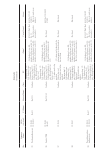
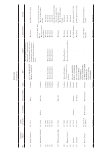
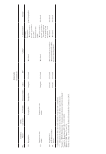
387 SKIN PERMEATION OF HAZARDOUS COMPOUNDS t R (min) m/z Potential analytes 4.78 2-[(methylsulfonyl)oxy]cyclohexyl methanesulfonate 1-bromo-3,4-dimethyl-2-pentene 5.15 41 (1-allylcyclopropyl)methanol 3,3-dimethyl-1,6-heptadiene 5-nitro-4-nonene 5.50 94, 110 2-isopropyl-furane 3-tert-butyl-1,5-cyclooctadiene 6.52 65,92 3-methylpyridine Aniline 6.84 94 2-dimethylaminopyridine 6.84 94 p-Cresol 7.28 95 Furfural 7.55 77, 112 Chlorobenzene 8.57 91, 106 Ethylbenzene 9.27 91, 106 m-/p-xylene 10.62 78, 104 Styrene 10.65 91, 106 o-xylene 12.55 120 o-/m-/p-ethyltoluene 1,2,3-trimethylbenzene 12.65 104 3-vinylpyridine 12.96 120 Isopropylbenzene 1,2,4-trimethylbenzene o-/m-/p-ethyltoluene 13.01 118 E-1-phenylpropene 2-propenyl-benzene 2,3-dihydro-1H-indene 13.40 91, 117 p-cymene 13.47 67, 93 dl-limonene 15.10 128, 129 Naphthalene 16.30 84, 133 Nicotine 17.00 152, 151 Acenaphthylene 17.55 41 Nonadecane 18.32 192 2-methylanthracene 19.60 192 1-methylphenanthrene 22.82 121 Squalene Table III. (Continued) of the identified peaks was compared with those of analytical standards prepared for this purpose. As it can be seen, the list includes isoprene, benzene- and aromatic-related com- pounds, pyridine, aniline, styrene, terpenes, nicotine, and polycyclic aromatic hydrocar- bons. From those compounds a selection of 15 compounds, including benzene, toluene, ethylbenzene, and xylenes (BTEX), chlorobenzene, styrene, p-cymene, limonene, naph- thalene, nicotine, acenaphthylene, 2-methylanthracene, and 1-methylphenanthrene, were selected as representative compounds for further studies. DESIGN AND EVALUATION OF THE SIMULATION CHAMBER CONDITIONS Once representative compounds from cigarette smoke have been selected, the homoge- neity of the simulation chamber atmosphere was assessed. In this sense, permeability experiments were carried out using Strat-M® membrane in the modified vertical diffusion
Purchased for the exclusive use of nofirst nolast (unknown)
From: SCC Media Library & Resource Center (library.scconline.org)