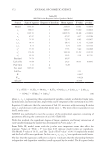
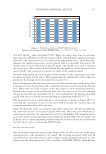
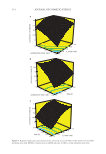
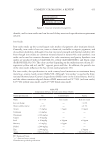
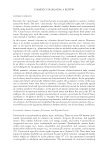
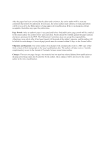
419 COMPARATIVE EFFICACY OF 35% GLYCOLIC ACID PEEL borders affecting the sun-exposed area, particularly to forehead, cheeks, temples, and upper lip. It is more commonly seen in females than in males (1,2). Incidence • 50–70% of pregnant women • 8–29% of women on oral contraceptive (OC) pills (3,4) Hydroquinone (HQ) and triple combination creams (TCCs) remain the gold standard of treatment. There have been concerns about the side effects and long-term safety of HQ hence the need to develop alternate treatment options. No single therapeutic modality is sufficient to achieve total clearance of pigmentation in melasma and maintenance of response. Therefore, therapies need to be combined to optimize the outcome. AIMS AND OBJECTIVES To compare the efficacy of 35% glycolic acid (GA) peel vs. Jessner peel (JP) as an adjuvant to topical triple combination (2% Hydroquinone, 0.025% tretinoin, and 0.01% Fluoci- nolone acetonide) therapy in Melasma females cases. To determine the efficacy in terms of 1. Decrease in Melasma Area and Severity Index (MASI) Score 2. Presence of any ADR MATERIALS AND METHODS The study was carried out in the department of Skin-VD, Medical College Baroda, after approval of the Institutional Ethics Committee for Human Research, Medical College Baroda & SSG Hospital, Vadodara (16/12/2016), GUJARAT, INDIA. Study Design: Interventional Randomized clinical study Sample Size and Study Population: A total of 60 clinically diagnosed patients of Melasma attending the Skin-VD OPD from September 1, 2016, to June 30, 2017, were enrolled as per the inclusion and exclusion criteria. Inclusion criteria: • Women (menstruating*) of 20–50 age group with melasma having malar, centrofa- cial, and/or mandibular pattern melasma. *Regular menstruation definition (23–39 days and for 2 to 7 days and 25 to 39 mL) Exclusion criteria: • Pregnant or nursing women, • Women on contraceptive pills at the time of the study or in the past 6 months. • Patients on any concurrent therapy, • Patients with hypersensitivity to the formulations, concurrent illnesses, • None of the patients had used topical steroids or hydroquinone 2 weeks before study entry and systemic steroids for 1 month. • Any chronic medical illness

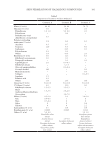
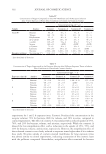
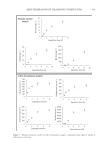
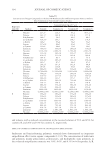
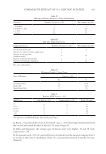
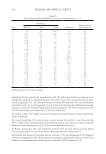
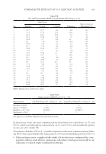
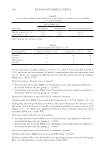
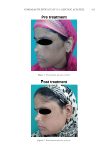
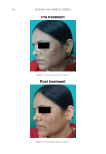
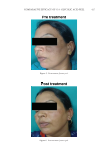
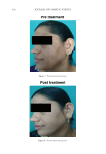
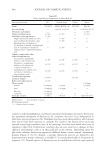
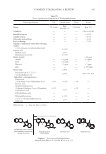
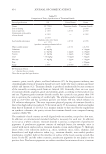
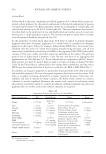
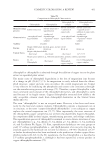
420 JOURNAL OF COSMETIC SCIENCE Method of study: All the eligible cases attending skin VD OPD, S.S.G. Hospital, Med- ical College Baroda during the study period (September 1, 2016, to June 30, 2017) was included for the study with a written consent. • Detailed history including age, sex, duration of the disease, number of the lesions, history of medication, and so on, was taken. • Clinical examination included both general and dermatological examinations. • MASI* score calculation was done. • All cases was given standardized treatment. • Photographic and clinical assessment was carried out at 0, 2, 6, 10, 14 weeks. • Treatment was given according to protocol.* • Patient with odd sr no. (1, 3, 5, …) was given 35% GA peel. • Patient with even sr no. (2, 4, 6, . . …) was given JP (14% salicylic acid, 14% lactic acid, and 14% resorcinol in 95% ethanol). Cutaneous and systemic examination were done and documented in preset proforma. Morning—sunscreen cream (SPF sunscreen (Octyl Methoxycinnamate 7.5+ Vitamin E Acetate 0.5% W/W+Overa-Spf Aloe Vera Extract 10) • At night—Triple combination (2% hydroquinone, 0.025% tretinoin, 0.01% fluoci- nolone acetonide) • Peeling—Intermittent peeling either 35% GA peel or JP as per protocol Pretreatment MASI score noted and pretreatment photograph were taken. RESULTS AND DISCUSSION Sixty cases of Melasma attending Skin-VD OPD, Baroda Medical College from Septem- ber 1, 2016, to June 30, 2017, were enrolled. Out of 60 cases, 50 cases had completed the treatment as per protocol (14 weeks) while 10 cases had left the study after 6 weeks of enrolment. The data has been analyzed and the results produced are as follows. a. In the present study, the youngest case enrolled was 26 years old and eldest was 46 years old. (Table I) b. Highest number (total 19) of cases were found in the age group of 36–40 years. c. 60% cases were in 31–40 year age group. In a large global survey with 324 melasma women, the mean age of melasma cases was 34 years (range 14–65 years) (5). Table I Melasma in Female: Age at Presentation Age Group (in years) Total (n = 60) Percentage (100%) 26–30 13 21 31–35 17 28 36–40 19 32 41–45 10 17 46–50 01 2
Purchased for the exclusive use of nofirst nolast (unknown)
From: SCC Media Library & Resource Center (library.scconline.org)