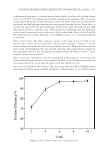
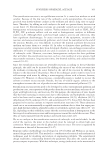
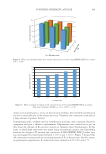
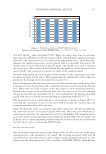
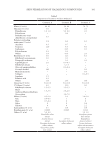
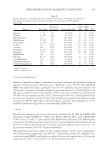
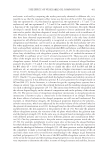
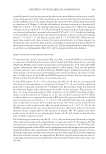
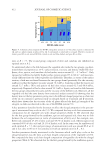
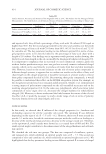
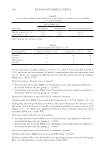
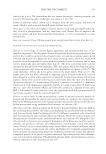
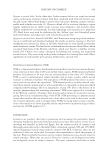
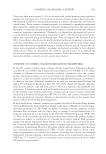
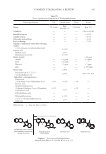
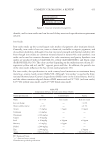
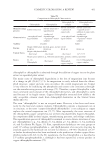
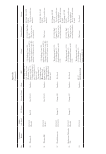
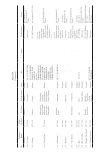
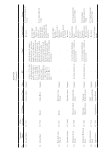
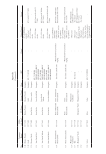
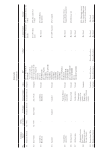
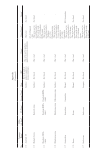
421 COMPARATIVE EFFICACY OF 35% GLYCOLIC ACID PEEL In Brazil, it was found that most of the female cases ( 50%) developed melasma between the second and fourth decades of life (20–35 years of age) (6). In India and Singapore, the average ages of disease onset were higher: 30 and 38 years, respectively (7,8). In the present study, 45% of cases had history of melasma for the duration ranging from 1 to 5 years at the time of enrollment. Only 3% cases presented within 6 months of onset. (Table II) Table II Melasma in Female: Duration at Time of Enrollment Duration Number of Cases (n = 60) Percentage Cases (%) 6 months 2 3 6 month to 1 year 17 28 1–5 year 27 45 5 year 14 23 Table III Melasma: Triggering Factors Triggering Factors Number of Cases (n = 60) Percentage Cases (%) Past history of OC pill 3 5 History of cosmetic product application 4 7 History of sun exposure (Outdoor work) 6 10 History of thyroid abnormality 2 3 History of menstrual irregularity 7 12 OC: oral contraceptive. Table IV Melasma in Female: Clinical Types Type of Melisma Cases (n = 60) No. % Centrofacial (Cf) 32 53% Malar (M) 27 45% Mandibular (Mn) 1 2% Table V Baseline MASI Score (n = 50) MASI Score GA Peel (n = 25) Jessner peel (n = 25) Total (50 cases) ≤5 — — — 5–10 5 5 10 10–15 8 7 15 15–20 7 7 14 20 5 6 11 GA: glycolic acid MASI Melasma Area and Severity Index.

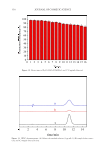
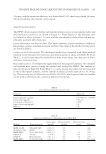
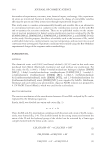
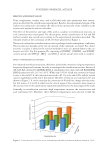
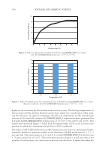
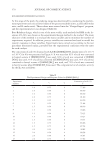
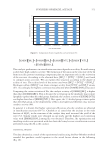
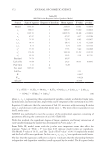
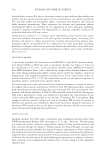
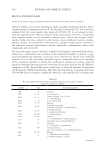
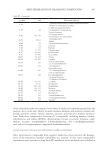
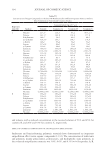
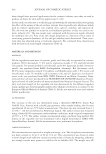
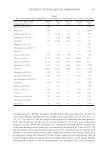
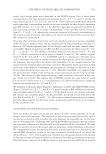
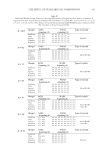
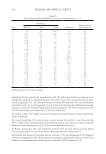
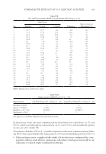
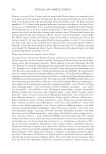
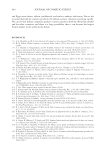
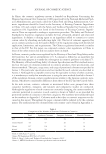
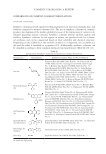
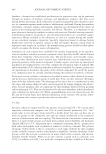
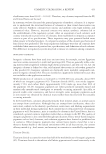
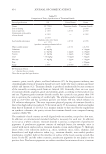
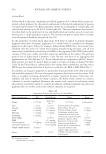
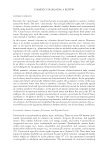
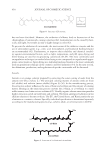
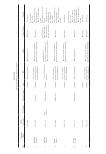
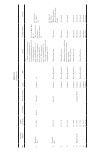
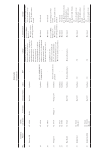
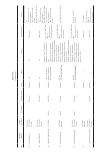
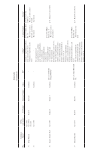
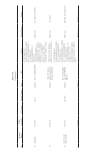
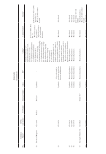
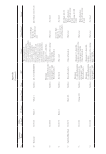
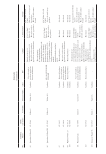
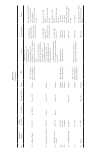
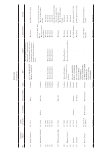
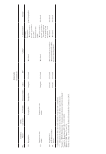
422 JOURNAL OF COSMETIC SCIENCE Hormonal factors (menstrual irregularities and OC pills) and outdoor occupation were commonly reported as triggering factors. Out of 60 cases 12% cases had history of men- strual irregularity, 5% cases had past history of taking OC pill and 10% cases had history of outdoor work. As per Tamega Ade A et al. study of facial melasma in Brazilian women, the most commonly reported trigger factors were pregnancy (36.4%), contraceptive pills (16.2%) and intense sun exposure (27.2%) (6). (Table III) In present study, 13% (eight cases) cases had positive family history (first-degree rela- tives) of melasma. In a study involving 324 cases in nine centers around the world, it was observed that 48% of individuals with melasma reported family history of at least one relative with this dermatosis and, among those, 97% were in first-degree relatives (5). In Brazil, among the 302 cases had been studied, 56% of cases shown positive family history, particularly, in cases with darker skin types (African American) (7). Conversely, low positivity of family history in India (33%) and Singapore (10%) suggests that the development of the disease may have epigenetic hormonal control, as well as the influence of environmental stimuli, such as ultraviolet (UV) radiation (7–9). Table VI Pre- and Posttreatment MASI Score (A) Glycolic Acid Peel Group (n = 25) No. MASI Score Improvement in Percentage (%) Baseline 6 week 14 week Difference 1 18 16 10.8 7.2 54 2 24.4 20.3 12.6 11.8 48 3 21.9 17.8 7.9 14 64 4 12.7 10 5 7.7 62 5 10.8 7.9 3 7.8 72 6 19.8 14.8 10.8 9 46 7 8.2 7.5 7 1.2 15 8 9 8.7 2.8 6.2 69 9 14.8 12.6 5.1 9.7 66 10 12 8.7 5.2 6.8 57 11 21.6 17.4 7.4 14.2 66 12 19.2 12.6 8.7 10.5 55 13 23.1 19.8 6.2 16.9 73 14 17.4 12.8 5.7 11.7 67 15 13.9 10 5 8.9 64 16 6.3 5 3 3.3 52 17 12.6 8.7 4.9 7.7 61 18 6.6 5 1.6 5 76 19 16.6 13.2 8.7 7.9 48 20 17.4 14.2 6.2 11.2 64 21 7.8 5.1 3.2 4.6 59 22 21.9 19.2 8.2 13.7 63 23 17.4 12.6 7.4 10 57 24 13.2 8.7 6.2 7 58 25 14.7 6.8 5 9.7 66 MASI: Melasma Area and Severity Index.
Purchased for the exclusive use of nofirst nolast (unknown)
From: SCC Media Library & Resource Center (library.scconline.org)