13
J. Cosmet. Sci., 76.1, 13–24 (January/February 2025)
*Address all corespondance to Anna Howe, anna.howe@evonik.com
Bottle Your Sustainability Goals – Minimize Your
Environmental and Volatile Organic Compounds Footprint in
Sun Care Products
ANNA HOWE, ERIN KING, MIYAKO HISAMOTO AND VERENA DAHL
Evonik Corporation, Richmond, Virginia, USA (A.H., E.K., M.H.)
Evonik Operations GmbH, Essen, Germany (V.D.)
Accepted for publication August 08, 2024.
SCC75 Scientific Meeting &Showcase December 15, 2021
Synopsis
Volatile Organic Compounds (VOC) have garnered the attention of various public health agencies in the United
States. In California, for instance, the California Air Resources Board enforces limits on VOCs in specific
consumer products, including cosmetics, and has discretionary powers to impose fines and penalties. With the
post-COVID consumer and brands focusing on the sustainability of personal care products, ingredient choice
can play a significant role in addressing both concerns, particularly in sun care applications where consumers
prioritize product performance and in-use sensory attributes. To reduce VOC levels, we will examine emollient
ester feedstocks and manufacturing processes that have been optimized to minimize CO2 emissions. We will
also analyze the physiochemical properties of these emollients to identify sustainable substitutes for volatile
ingredients, such as ethanol, while ensuring in-use performance and sensory attributes are maintained.
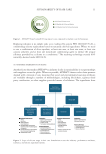
LIFE CYCLE ASSESSMENT METHODOLOGY
The increased awareness of the importance of environmental protection, and the possible
impacts associated with products, both manufactured and consumed, has increased interest
in the development of methods to better understand and address these impacts.
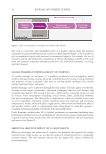
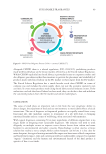
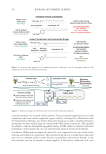
ISO 14040 is an environmental management standard that describes the principal
and outline framework for conducting a life cycle assessment (LCA). LCA can assist in
identifying opportunities to improve the environmental performance of products at various
points in their life cycle. It also informs decision-makers in industry, government, or non-
government organizations for strategic planning, priority setting, or process design. This
includes selecting relevant environmental performance indicators, determining appropriate
measurement techniques, and identifying marketing strategies for making environmental
claims, such as implementing ecolabelling schemes.
J. Cosmet. Sci., 76.1, 13–24 (January/February 2025)
*Address all corespondance to Anna Howe, anna.howe@evonik.com
Bottle Your Sustainability Goals – Minimize Your
Environmental and Volatile Organic Compounds Footprint in
Sun Care Products
ANNA HOWE, ERIN KING, MIYAKO HISAMOTO AND VERENA DAHL
Evonik Corporation, Richmond, Virginia, USA (A.H., E.K., M.H.)
Evonik Operations GmbH, Essen, Germany (V.D.)
Accepted for publication August 08, 2024.
SCC75 Scientific Meeting &Showcase December 15, 2021
Synopsis
Volatile Organic Compounds (VOC) have garnered the attention of various public health agencies in the United
States. In California, for instance, the California Air Resources Board enforces limits on VOCs in specific
consumer products, including cosmetics, and has discretionary powers to impose fines and penalties. With the
post-COVID consumer and brands focusing on the sustainability of personal care products, ingredient choice
can play a significant role in addressing both concerns, particularly in sun care applications where consumers
prioritize product performance and in-use sensory attributes. To reduce VOC levels, we will examine emollient
ester feedstocks and manufacturing processes that have been optimized to minimize CO2 emissions. We will
also analyze the physiochemical properties of these emollients to identify sustainable substitutes for volatile
ingredients, such as ethanol, while ensuring in-use performance and sensory attributes are maintained.
LIFE CYCLE ASSESSMENT METHODOLOGY
The increased awareness of the importance of environmental protection, and the possible
impacts associated with products, both manufactured and consumed, has increased interest
in the development of methods to better understand and address these impacts.
ISO 14040 is an environmental management standard that describes the principal
and outline framework for conducting a life cycle assessment (LCA). LCA can assist in
identifying opportunities to improve the environmental performance of products at various
points in their life cycle. It also informs decision-makers in industry, government, or non-
government organizations for strategic planning, priority setting, or process design. This
includes selecting relevant environmental performance indicators, determining appropriate
measurement techniques, and identifying marketing strategies for making environmental
claims, such as implementing ecolabelling schemes.