58 JOURNAL OF COSMETIC SCIENCE
acylation methods over reusable zeolite catalysts. Using a hydrodeoxygenation process with
inexpensive and inert zeolite-supported copper catalysts, developed in collaboration with
the Department of Energy’s Los Alamos National Laboratory, as well as tunable sulfonation
chemistries, we have achieved precise control of the OFS chemical structure. This includes
the ability to tune the hydrophilic-lipophilic balance of OFS, which is central to surfactant
performance and facilitates the use of a much broader range of natural oil feedstocks.
In addition, OFS provide an improved carbon life cycle compared to the state-of-the-art by
omitting petrochemical components. The manufacturing process to make these surfactants
does not use ethylene oxide or form dioxane contaminants that present hazards to the
end consumer and can accumulate in water supplies. A third-party conducted a life cycle
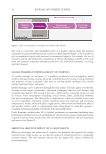
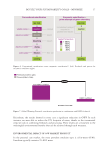
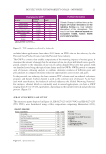
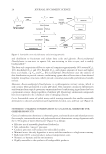
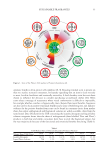
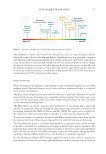
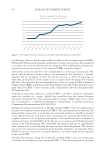
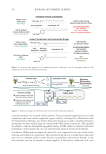
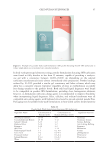
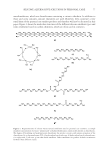
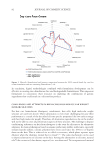
Figure 1. Structure and properties of commercial anionic surfactants used in consumer products with
comparison to oleo-furan sulfonate surfactants.
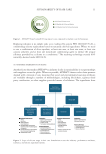
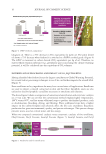
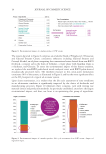
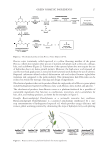
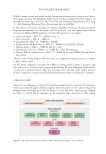
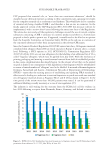
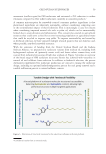
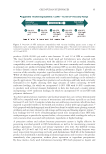
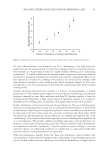
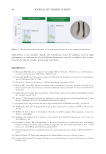
Figure 2. Molecular design and feedstocks for Sironix’s OFS surfactants platform.
acylation methods over reusable zeolite catalysts. Using a hydrodeoxygenation process with
inexpensive and inert zeolite-supported copper catalysts, developed in collaboration with
the Department of Energy’s Los Alamos National Laboratory, as well as tunable sulfonation
chemistries, we have achieved precise control of the OFS chemical structure. This includes
the ability to tune the hydrophilic-lipophilic balance of OFS, which is central to surfactant
performance and facilitates the use of a much broader range of natural oil feedstocks.
In addition, OFS provide an improved carbon life cycle compared to the state-of-the-art by
omitting petrochemical components. The manufacturing process to make these surfactants
does not use ethylene oxide or form dioxane contaminants that present hazards to the
end consumer and can accumulate in water supplies. A third-party conducted a life cycle
Figure 1. Structure and properties of commercial anionic surfactants used in consumer products with
comparison to oleo-furan sulfonate surfactants.
Figure 2. Molecular design and feedstocks for Sironix’s OFS surfactants platform.