34 JOURNAL OF COSMETIC SCIENCE
Now that the importance of fragrance to daily life has been established the question
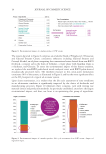
becomes how fragrances can be produced in more sustainable ways. There is no definition
of what constitutes a sustainable fragrance. Most discussions on sustainability take the 17
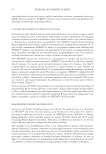
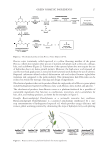
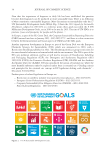
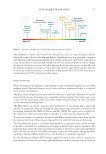
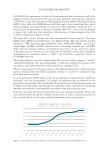
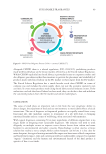
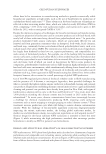
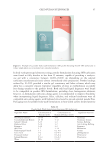
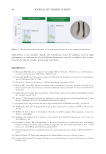
UN Sustainable Development Goals (SDGs) (Fig. 2) from the 2030 Agenda for Sustainable
Development, adopted in 2015 [13] as a reference point these goals succeeded the 8 UN
Millenium Development Goals, set in 2000 to be met by 2015. The aim of UN SDGs is to
promote “peace and prosperity for people and the planet…”.
In Europe, as part of the EU Green Deal, the Corporate Sustainability Reporting Directive
(CSRD) entered into force in January 2023 -(EU) 2023/2772 -and there is a clear connection
between the Environmental and Social aspects of CSRD and the SDG goals.
Another important development in Europe as part of the Green Deal was the European
Chemicals Strategy for Sustainability (CSS), which was announced in 2020, with a
Restrictions Roadmap published in 2022. This Roadmap prioritizes group restrictions for
the most harmful substances to human health and the environment. The CSS is part of the
EU’s zero pollution ambition, and has or will lead to revisions of Classification, Labelling
and Packaging Regulation (CLP), the Detergents and Surfactants Regulation ((EU)
2023/0124 (COD)), the Cosmetics Products Regulation (CPR), REACH and the Ambient
Air Quality Directive (AAQD). CSS also introduced the notion of essential use, where the
most harmful substances must be replaced unless there is essential use (“Guiding criteria
and principles for the essential use concept in EU legislation dealing with chemicals” -
Document C/2024/2894).
Further pieces of related legislation in Europe are:
– Restriction on synthetic polymer microparticles (microplastics) – (EU) 2023/2055.
– European Union Deforestation Regulation (EUDR) – (EU) 2023/1115.
– Corporate Sustainability Due Diligence Directive (CSDDD) – (EU) 2024/1760.
– Forced Labour Regulation – (EU) 2024/3015.
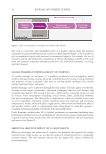
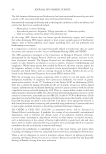
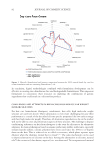
Figure 2. 17 UN Sustainable Development Goals.
Now that the importance of fragrance to daily life has been established the question
becomes how fragrances can be produced in more sustainable ways. There is no definition
of what constitutes a sustainable fragrance. Most discussions on sustainability take the 17
UN Sustainable Development Goals (SDGs) (Fig. 2) from the 2030 Agenda for Sustainable
Development, adopted in 2015 [13] as a reference point these goals succeeded the 8 UN
Millenium Development Goals, set in 2000 to be met by 2015. The aim of UN SDGs is to
promote “peace and prosperity for people and the planet…”.
In Europe, as part of the EU Green Deal, the Corporate Sustainability Reporting Directive
(CSRD) entered into force in January 2023 -(EU) 2023/2772 -and there is a clear connection
between the Environmental and Social aspects of CSRD and the SDG goals.
Another important development in Europe as part of the Green Deal was the European
Chemicals Strategy for Sustainability (CSS), which was announced in 2020, with a
Restrictions Roadmap published in 2022. This Roadmap prioritizes group restrictions for
the most harmful substances to human health and the environment. The CSS is part of the
EU’s zero pollution ambition, and has or will lead to revisions of Classification, Labelling
and Packaging Regulation (CLP), the Detergents and Surfactants Regulation ((EU)
2023/0124 (COD)), the Cosmetics Products Regulation (CPR), REACH and the Ambient
Air Quality Directive (AAQD). CSS also introduced the notion of essential use, where the
most harmful substances must be replaced unless there is essential use (“Guiding criteria
and principles for the essential use concept in EU legislation dealing with chemicals” -
Document C/2024/2894).
Further pieces of related legislation in Europe are:
– Restriction on synthetic polymer microparticles (microplastics) – (EU) 2023/2055.
– European Union Deforestation Regulation (EUDR) – (EU) 2023/1115.
– Corporate Sustainability Due Diligence Directive (CSDDD) – (EU) 2024/1760.
– Forced Labour Regulation – (EU) 2024/3015.
Figure 2. 17 UN Sustainable Development Goals.