81 Silicone Alternative Solutions in Personal Care
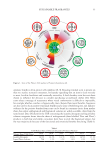
spreading value, density, refractive index, surface tension, interfacial tension (polarity), and
equivalent alkane carbon number are compared.
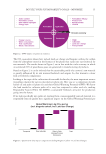
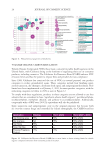
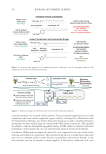
The right panel of Figure 2 shows an overlapping sensory profile of the silicone versus the
natural-based emollient mixture. The sensory profile of dimethicone was assessed using
trained panelists and is represented on a monadic scale, while the sensory profile of the
natural-based emollient was theoretically estimated using Emollient Maestro. It is worth
noting that Figure 2 demonstrates a good agreement between both the physico-chemical
and sensory profiles of dimethicone 5 cSt and the natural-based emollient mixture proposed
by Emollient Maestro.
As previously discussed, the unique structures of dimethicones mean that they are used
in personal care formulations for a secondary reason, namely as anti-whitening agents.
Therefore, removing dimethicones can lead to a strong undesired whitening effect on
the skin upon application. This is caused by the formation of foam due to the presence
of ingredients such as fatty alcohols and biopolymers, which are present in significant
quantities in cosmetic emulsions. Small amounts of dimethicones can reduce the foaming
and significantly reduce the whitening effect.
By utilizing solutions from Emollient Maestro and adjusting selected galenic ingredients,
formulators can develop a truly silicone-free skin care formulation with the same
performance. Through experimentation with various combinations in a reference
formulation, the following combinations can prove to be effective. Firstly, using mono- and
diglyceride-based waxes as an alternative to fatty alcohols offers advantages in minimizing
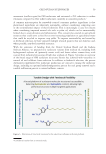
whitening effects. In addition, incorporating biopolymers such as alginate, when cross-
linked with CaCl
2 ,can produce particles that further reduce the whitening effect while
providing a pleasant and non-sticky feel on the skin.
Furthermore, it is crucial to carefully select emulsifiers that have a neutral sensory
impact. This means opting for emulsifiers that do not dictate or negatively influence
the sensory characteristics of the final formulation. By choosing emulsifiers with a
neutral sensory profile, the desired sensory attributes of the silicone-free formulation are
maintained.
By employing these strategies and combinations, formulators can successfully develop a
silicone-free skin care formulation that meets the desired sensory and performance criteria.
The effectiveness of this approach has been tested on a benchmark day care face cream13
that would typically contain 10% of dimethicone 5 cSt, commonly found in the market.
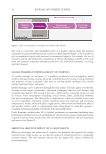
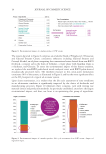
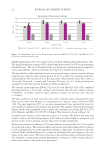
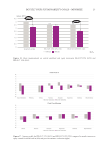
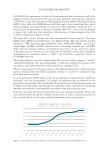
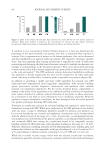
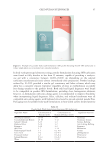
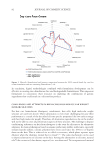
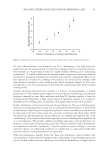
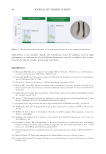
Figure 3 depicts a sensory comparison between the formulation containing dimethicone 5
cSt and the formulation containing emollient mixtures predicted by Emollient Maestro.
The results of the comparison revealed that the natural-based formulations exhibited an
almost identical sensory profile during application of the day care face cream as the one
containing dimethicone. This rigorous evaluation process allows an estimation of the
sensory attributes of the silicone-free formulation in a standardized manner, ensuring
reliable and consistent results.
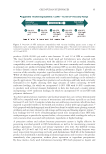
A standardized assessment allows an objective estimation and comparison of the whitening
effects of the formulations, providing valuable insights into the performance of the natural-
based alternative. The results indicate that both the formulation containing dimethicone
5 cSt and the natural-based alternative effectively minimize the whitening effect typically
associated with the absence of dimethicone.
spreading value, density, refractive index, surface tension, interfacial tension (polarity), and
equivalent alkane carbon number are compared.
The right panel of Figure 2 shows an overlapping sensory profile of the silicone versus the
natural-based emollient mixture. The sensory profile of dimethicone was assessed using
trained panelists and is represented on a monadic scale, while the sensory profile of the
natural-based emollient was theoretically estimated using Emollient Maestro. It is worth
noting that Figure 2 demonstrates a good agreement between both the physico-chemical
and sensory profiles of dimethicone 5 cSt and the natural-based emollient mixture proposed
by Emollient Maestro.
As previously discussed, the unique structures of dimethicones mean that they are used
in personal care formulations for a secondary reason, namely as anti-whitening agents.
Therefore, removing dimethicones can lead to a strong undesired whitening effect on
the skin upon application. This is caused by the formation of foam due to the presence
of ingredients such as fatty alcohols and biopolymers, which are present in significant
quantities in cosmetic emulsions. Small amounts of dimethicones can reduce the foaming
and significantly reduce the whitening effect.
By utilizing solutions from Emollient Maestro and adjusting selected galenic ingredients,
formulators can develop a truly silicone-free skin care formulation with the same
performance. Through experimentation with various combinations in a reference
formulation, the following combinations can prove to be effective. Firstly, using mono- and
diglyceride-based waxes as an alternative to fatty alcohols offers advantages in minimizing
whitening effects. In addition, incorporating biopolymers such as alginate, when cross-
linked with CaCl
2 ,can produce particles that further reduce the whitening effect while
providing a pleasant and non-sticky feel on the skin.
Furthermore, it is crucial to carefully select emulsifiers that have a neutral sensory
impact. This means opting for emulsifiers that do not dictate or negatively influence
the sensory characteristics of the final formulation. By choosing emulsifiers with a
neutral sensory profile, the desired sensory attributes of the silicone-free formulation are
maintained.
By employing these strategies and combinations, formulators can successfully develop a
silicone-free skin care formulation that meets the desired sensory and performance criteria.
The effectiveness of this approach has been tested on a benchmark day care face cream13
that would typically contain 10% of dimethicone 5 cSt, commonly found in the market.
Figure 3 depicts a sensory comparison between the formulation containing dimethicone 5
cSt and the formulation containing emollient mixtures predicted by Emollient Maestro.
The results of the comparison revealed that the natural-based formulations exhibited an
almost identical sensory profile during application of the day care face cream as the one
containing dimethicone. This rigorous evaluation process allows an estimation of the
sensory attributes of the silicone-free formulation in a standardized manner, ensuring
reliable and consistent results.
A standardized assessment allows an objective estimation and comparison of the whitening
effects of the formulations, providing valuable insights into the performance of the natural-
based alternative. The results indicate that both the formulation containing dimethicone
5 cSt and the natural-based alternative effectively minimize the whitening effect typically
associated with the absence of dimethicone.