62 JOURNAL OF COSMETIC SCIENCE
at ambient temperature with a rotation rate of 30 rpm and applied torque in the range of
34.9 and 98.9%.
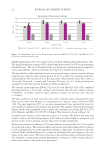
Product performance reviews of solid format body wash formulations featuring OFS
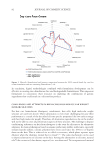
were collected by mailing powder formulation samples to a pre-screened user group,
focusing on users who already used standard body wash gel on a regular basis. Sample size
kits were mailed to users and contained a reusable bottle, one sachet of body wash powder,
instructions for use, and a QR code for providing feedback via an online survey. Questions
focused on rating the product viscosity, the creamy texture of the product, the level of
foam/lather generated during use, their rating of the fragrance, and the skin feel after
rinsing. Across all metrics, users were asked to compare the sample with their favorite body
wash gel product on a scale from 1–5. In addition, users were asked to select adjectives to
describe their experience preparing the hydrated body wash gel, their experience washing
with the product, the visual quality of the product, and the overall user experience. A total
of 14 survey respondents were considered in the OFS body wash product reviews.
CARBON EMISSION REDUCTION ESTIMATES
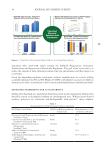
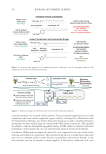
To determine the approximate reduction in carbon emissions for OFS surfactant
manufacturing compared to the start-of-the-art, Sironix contracted an environmental
sustainability consultant to provide a screening life cycle analysis for the OFS production
process, with direct comparison to the current commercial sodium lauryl ether sulfate
manufacturing process. For this study, the objective was to determine climate impact and
identify environmental hotspots for OFS in comparison to SLES system boundaries were
cradle-to-gate with impact categories including climate change [kg CO2 eq.], acidification
potential [mol H+ eq.], eutrophication freshwater [kg P eq], non-renewable energy resource
depletion [MJ], land use [points], and blue water consumption [kg]. LCA FE/GaBi software
was used. Secondary data from standard LCI databases Sphera Managed LCA content and
ecoinvent 3.8 Data gaps are closed with proxies. Geographic constraints were for surfactant
production in the US, though European or Global datasets were used in some cases when
US specific datasets were unavailable.
FORMULATION COMPATIBILITY AND BENEFITS OF OFS SURFACTANTS
Consumers interact with personal care products most frequently and closely, with shampoo,
body wash, and facial cleanser as prime examples. Anionic surfactants serve a central role in
formulating these products. They provide the foam consumers enjoy during application, a
balance of cleaning power to remove soils and a positive sensory experience for the consumer.
Formulators have relied on SLS for personal care products to achieve an optimal balance of
these properties using fully bio-renewable anionic surfactants.19Asmentioned,thissurfactant
has poor performance in hard and cold water, and as a dermal irritant, use in applications
involving direct skin contact can be challenging for product formulators.20,21 Ether sulfate
surfactants, such as SLES, have long served as a reasonable substitution, providing high
performance and less irritation in personal care.22 Should the implementation of more
stringent regulations continue to decrease the allowable dioxane content in consumer
products, the combination of increasing production costs and regulatory restrictions may
curtail use of SLES by personal care product formulators.
at ambient temperature with a rotation rate of 30 rpm and applied torque in the range of
34.9 and 98.9%.
Product performance reviews of solid format body wash formulations featuring OFS
were collected by mailing powder formulation samples to a pre-screened user group,
focusing on users who already used standard body wash gel on a regular basis. Sample size
kits were mailed to users and contained a reusable bottle, one sachet of body wash powder,
instructions for use, and a QR code for providing feedback via an online survey. Questions
focused on rating the product viscosity, the creamy texture of the product, the level of
foam/lather generated during use, their rating of the fragrance, and the skin feel after
rinsing. Across all metrics, users were asked to compare the sample with their favorite body
wash gel product on a scale from 1–5. In addition, users were asked to select adjectives to
describe their experience preparing the hydrated body wash gel, their experience washing
with the product, the visual quality of the product, and the overall user experience. A total
of 14 survey respondents were considered in the OFS body wash product reviews.
CARBON EMISSION REDUCTION ESTIMATES
To determine the approximate reduction in carbon emissions for OFS surfactant
manufacturing compared to the start-of-the-art, Sironix contracted an environmental
sustainability consultant to provide a screening life cycle analysis for the OFS production
process, with direct comparison to the current commercial sodium lauryl ether sulfate
manufacturing process. For this study, the objective was to determine climate impact and
identify environmental hotspots for OFS in comparison to SLES system boundaries were
cradle-to-gate with impact categories including climate change [kg CO2 eq.], acidification
potential [mol H+ eq.], eutrophication freshwater [kg P eq], non-renewable energy resource
depletion [MJ], land use [points], and blue water consumption [kg]. LCA FE/GaBi software
was used. Secondary data from standard LCI databases Sphera Managed LCA content and
ecoinvent 3.8 Data gaps are closed with proxies. Geographic constraints were for surfactant
production in the US, though European or Global datasets were used in some cases when
US specific datasets were unavailable.
FORMULATION COMPATIBILITY AND BENEFITS OF OFS SURFACTANTS
Consumers interact with personal care products most frequently and closely, with shampoo,
body wash, and facial cleanser as prime examples. Anionic surfactants serve a central role in
formulating these products. They provide the foam consumers enjoy during application, a
balance of cleaning power to remove soils and a positive sensory experience for the consumer.
Formulators have relied on SLS for personal care products to achieve an optimal balance of
these properties using fully bio-renewable anionic surfactants.19Asmentioned,thissurfactant
has poor performance in hard and cold water, and as a dermal irritant, use in applications
involving direct skin contact can be challenging for product formulators.20,21 Ether sulfate
surfactants, such as SLES, have long served as a reasonable substitution, providing high
performance and less irritation in personal care.22 Should the implementation of more
stringent regulations continue to decrease the allowable dioxane content in consumer
products, the combination of increasing production costs and regulatory restrictions may
curtail use of SLES by personal care product formulators.