17 Bottle Your Sustainability Goals – Minimize
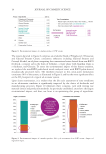
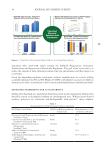
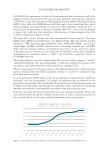
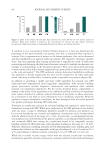
Ricinoleate, the results showed in every case a significant reduction in GWP. In each
instance, we were able to reduce the CO
2
footprint of esters, thanks to the incremental
steps we took in combining feedstock and processing. These results are a testament to the
meaningful environmental benefits that can be achieved through such measures.
ENVIRONMENTAL IMPACT OF O/W MARKET PRODUCT
In the personal care market, the most prevalent emulsion type is oil-in-water (O/W).
Emulsion typically contains 70–80% water.
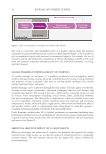
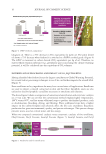
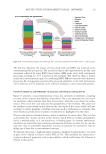
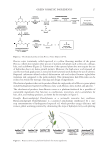
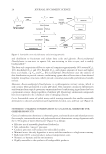
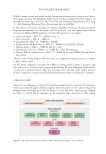
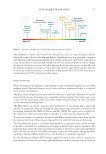
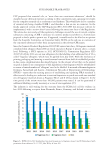
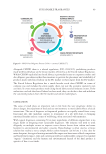
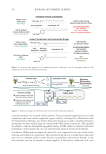
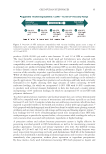
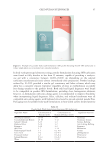
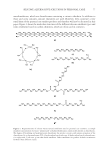
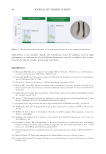
Figure 6. Conventional esterification versus enzymatic esterification4-6 (left). Feedstock and process for
enzymatic emollients (right).
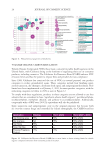
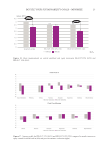
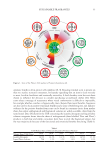
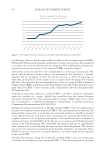
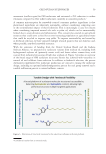
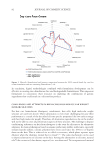
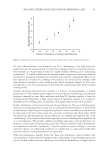
Figure 7. Global Warming Potential: esterification production in combination with RSPO feedstock.
Ricinoleate, the results showed in every case a significant reduction in GWP. In each
instance, we were able to reduce the CO
2
footprint of esters, thanks to the incremental
steps we took in combining feedstock and processing. These results are a testament to the
meaningful environmental benefits that can be achieved through such measures.
ENVIRONMENTAL IMPACT OF O/W MARKET PRODUCT
In the personal care market, the most prevalent emulsion type is oil-in-water (O/W).
Emulsion typically contains 70–80% water.
Figure 6. Conventional esterification versus enzymatic esterification4-6 (left). Feedstock and process for
enzymatic emollients (right).
Figure 7. Global Warming Potential: esterification production in combination with RSPO feedstock.