42 JOURNAL OF COSMETIC SCIENCE
classifications, there is a risk that there will be an effective ban on many suspected CMRs.
Within the CSS framework grouping of substances to allow read across has been promoted
to accelerate the review of substances by the authorities. This could further exacerbate the
situation as associated structures to the suspected CMRs can also be tagged.
One element of the revised CLP is the establishment of a new hazard classification, ED,
which could be related to human safety or the environment. For substances, if relevant,
labelling will be mandatory in 2025–26, and for mixtures in 2026–28 depending on
when they are first placed on the market. It is too early to know the impact this measure
will have. One substance that has frequently been cited as a suspected ED is butylated
hydroxytoluene (BHT) which has recently been further restricted by UK authorities [34] to
apply from 2025. BHT is also a substance under evaluation for endocrine disruption under
EU legislation [35].
It should be noted that substances classified CMR 1 and ED 1 should be substituted
under the “essential use” concept. Equally they would not pass the current European
Assessment framework for “Safe and Sustainable by Design” (SSbD) under test in 2024
this is positioned as a voluntary framework for “frontrunners” to promote Innovation
(Commission Recommendation (EU) 2022/2510).
Amongst the substances being self or officially classified CMR 1 and 2 are components of
naturals, for example p-cymene (proposed CMR 1). The initial proposal for updating CLP
proposed that essential oils, or “more than one constituent substances”, should be classified
as any chemical mixture according to their constituent parts, ignoring test results for the
complete essential oil as a substance used hitherto. This would have led to a number of
essential oils being classified CMR 1 with a ban on use in cosmetics. In the finally approved
version of the CLP Regulation (EU) 2024/2865 this measure will not be implemented,
with a review after 6 years following the entry into force of the Regulation. This decision
now needs to be allied to an opinion from the Scientific Committee on Consumer Safety
(SCCS) on safe level of use of the concerned substances, and will no doubt also be addressed
in the revised CPR.
Amongst the substances being self or officially classified CMR 1 and 2 are components
of naturals, for example p-cymene (proposed CMR 1). The initial proposal for updating
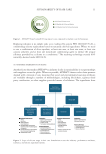
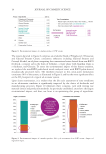
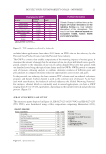
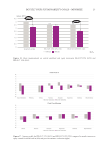
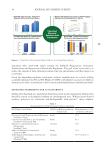
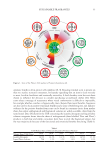
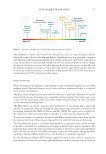
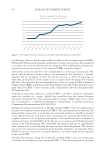
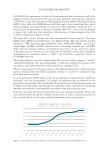
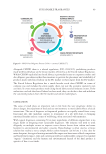
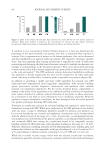
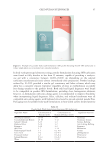
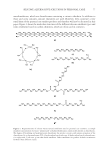
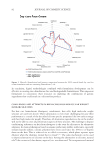
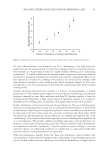
Figure 5. Percentage of chemical substances in the IFRA Labelling Manual classified H317.
classifications, there is a risk that there will be an effective ban on many suspected CMRs.
Within the CSS framework grouping of substances to allow read across has been promoted
to accelerate the review of substances by the authorities. This could further exacerbate the
situation as associated structures to the suspected CMRs can also be tagged.
One element of the revised CLP is the establishment of a new hazard classification, ED,
which could be related to human safety or the environment. For substances, if relevant,
labelling will be mandatory in 2025–26, and for mixtures in 2026–28 depending on
when they are first placed on the market. It is too early to know the impact this measure
will have. One substance that has frequently been cited as a suspected ED is butylated
hydroxytoluene (BHT) which has recently been further restricted by UK authorities [34] to
apply from 2025. BHT is also a substance under evaluation for endocrine disruption under
EU legislation [35].
It should be noted that substances classified CMR 1 and ED 1 should be substituted
under the “essential use” concept. Equally they would not pass the current European
Assessment framework for “Safe and Sustainable by Design” (SSbD) under test in 2024
this is positioned as a voluntary framework for “frontrunners” to promote Innovation
(Commission Recommendation (EU) 2022/2510).
Amongst the substances being self or officially classified CMR 1 and 2 are components of
naturals, for example p-cymene (proposed CMR 1). The initial proposal for updating CLP
proposed that essential oils, or “more than one constituent substances”, should be classified
as any chemical mixture according to their constituent parts, ignoring test results for the
complete essential oil as a substance used hitherto. This would have led to a number of
essential oils being classified CMR 1 with a ban on use in cosmetics. In the finally approved
version of the CLP Regulation (EU) 2024/2865 this measure will not be implemented,
with a review after 6 years following the entry into force of the Regulation. This decision
now needs to be allied to an opinion from the Scientific Committee on Consumer Safety
(SCCS) on safe level of use of the concerned substances, and will no doubt also be addressed
in the revised CPR.
Amongst the substances being self or officially classified CMR 1 and 2 are components
of naturals, for example p-cymene (proposed CMR 1). The initial proposal for updating
Figure 5. Percentage of chemical substances in the IFRA Labelling Manual classified H317.