31 Green Cosmetic Ingredients
polyesters are naturally derived, biodegradable solids or liquids. Indeed, most polyester
film formers and emollients are viscous liquids and do not present the risk of environmental
persistence. For instance, the waxes that occur naturally on skins of many fruits are fatty acid
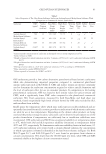
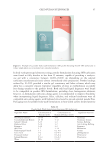
estolides, which include biodegradable polyesters.12 Table I provides examples of ingredients
based on biodegradable polyester chemistry and their biodegradability classifications.
CONCLUSIONS
Holistic consideration of the entire product life cycle and application of Green Chemistry
and Green Engineering design principles can improve the sustainability of cosmetics
ingredients. The benefits of improving ingredient sustainability are compounded when
manufacturers of finished goods combine multiple sustainable ingredients into a product
formulation. Selecting sustainable biobased ingredients, such as those described in this
article, helps to satisfy the consumer demand for so-called “clean” and “natural” products
and contributes to the sustainability profile of products.
REFERENCES
(1) Anastas PT, Warner JC. Green chemistry. Theor Pract. Oxford University Press. 1998.
(2) Anastas PT, Zimmerman JB. Peer Reviewed: Design Through the 12 Principles of Green Engineering.
Environ Sci Technol. 2003 37(5):94A-101A. doi:10.1021/es032373g
(3) Perl J. Sustainability Engineering: A Design Guide for the Chemical Process Industry. Springer 2016.
doi:10.1007/978-3-319-32495-1
(4) US9662288B2, 2014, assigned to Inolex Investment Corp.
(5) Rapeseed and Canola Oil Production, Processing, Properties, and Uses Gunstone F, ed. CRC Press 2004.
(6) Inolex. Brassicamidopropyl dimethylamine. Accessed July 27, 2024. https://inolex.com/products/
procondition-22.
(7) Arnold WA, Blum A, Branyan J, et al. Quaternary ammonium compounds: a chemical class of emerging
concern. Environ Sci Technol. 2023 57(20):7645-7665. doi:10.1021/acs.est.2c08244
(8) Anastas PT, Warner JC. Principles of green chemistry. Green chemistry. Theor Pract. 1998 29:14821-14842.
(9) Burgo R 2008. Complex polyol polyester polymer compositions for use in personal care products and
related methods, US Patent 7 317 068.
(10) Official Journal of the European Union. Commission. Regulation (EU). 2024/1328. Accessed May 16,
2024. https://eur-lex.europa.eu/legal-content/EN/TXT/?uri=OJ%3AL_202401328&qid=171591947275
7#msdynttrid=gT-bJck9PXXh4rYZOnFIKHdqf_t_P5CJEYtsHvmLOAY. Accessed July 20, 2024.
(11) Kushwaha A, Goswami L, Singhvi M, Kim BS. Biodegradation of poly(ethylene terephthalate):
mechanistic insights, advances, and future innovative strategies. Chem Eng J. 2023 457:141230.
doi:10.1016/j.cej.2022.141230
(12) Ewing TA, Blaauw R, Li C, Venkitasubramanian P, Hagberg E, van Haveren J. Synthesis and applications
of fatty acid Estolides. In: Cheng HN, Gross RA, eds. Sustainable Green Chemistry in Polymer Research. Vol
1. American Chemical Society 2023:145-161. doi:10.1021/bk-2023-1450.ch009
polyesters are naturally derived, biodegradable solids or liquids. Indeed, most polyester
film formers and emollients are viscous liquids and do not present the risk of environmental
persistence. For instance, the waxes that occur naturally on skins of many fruits are fatty acid
estolides, which include biodegradable polyesters.12 Table I provides examples of ingredients
based on biodegradable polyester chemistry and their biodegradability classifications.
CONCLUSIONS
Holistic consideration of the entire product life cycle and application of Green Chemistry
and Green Engineering design principles can improve the sustainability of cosmetics
ingredients. The benefits of improving ingredient sustainability are compounded when
manufacturers of finished goods combine multiple sustainable ingredients into a product
formulation. Selecting sustainable biobased ingredients, such as those described in this
article, helps to satisfy the consumer demand for so-called “clean” and “natural” products
and contributes to the sustainability profile of products.
REFERENCES
(1) Anastas PT, Warner JC. Green chemistry. Theor Pract. Oxford University Press. 1998.
(2) Anastas PT, Zimmerman JB. Peer Reviewed: Design Through the 12 Principles of Green Engineering.
Environ Sci Technol. 2003 37(5):94A-101A. doi:10.1021/es032373g
(3) Perl J. Sustainability Engineering: A Design Guide for the Chemical Process Industry. Springer 2016.
doi:10.1007/978-3-319-32495-1
(4) US9662288B2, 2014, assigned to Inolex Investment Corp.
(5) Rapeseed and Canola Oil Production, Processing, Properties, and Uses Gunstone F, ed. CRC Press 2004.
(6) Inolex. Brassicamidopropyl dimethylamine. Accessed July 27, 2024. https://inolex.com/products/
procondition-22.
(7) Arnold WA, Blum A, Branyan J, et al. Quaternary ammonium compounds: a chemical class of emerging
concern. Environ Sci Technol. 2023 57(20):7645-7665. doi:10.1021/acs.est.2c08244
(8) Anastas PT, Warner JC. Principles of green chemistry. Green chemistry. Theor Pract. 1998 29:14821-14842.
(9) Burgo R 2008. Complex polyol polyester polymer compositions for use in personal care products and
related methods, US Patent 7 317 068.
(10) Official Journal of the European Union. Commission. Regulation (EU). 2024/1328. Accessed May 16,
2024. https://eur-lex.europa.eu/legal-content/EN/TXT/?uri=OJ%3AL_202401328&qid=171591947275
7#msdynttrid=gT-bJck9PXXh4rYZOnFIKHdqf_t_P5CJEYtsHvmLOAY. Accessed July 20, 2024.
(11) Kushwaha A, Goswami L, Singhvi M, Kim BS. Biodegradation of poly(ethylene terephthalate):
mechanistic insights, advances, and future innovative strategies. Chem Eng J. 2023 457:141230.
doi:10.1016/j.cej.2022.141230
(12) Ewing TA, Blaauw R, Li C, Venkitasubramanian P, Hagberg E, van Haveren J. Synthesis and applications
of fatty acid Estolides. In: Cheng HN, Gross RA, eds. Sustainable Green Chemistry in Polymer Research. Vol
1. American Chemical Society 2023:145-161. doi:10.1021/bk-2023-1450.ch009