25
J. Cosmet. Sci., 76.1, 25–31 (January/February 2025)
*Address all correspondence to Michael J. Fevola, mfevola@inolex.com
Toward Authentically Green Cosmetic Ingredients: Life Cycle
Thinking to Improve Sustainability From Cradle to Grave
MICHAEL J. FEVOLA, LISA GANDOLFI AND AUDREY WESSON
INOLEX, Philadelphia, PA, USA (M.F., L.G., A.W.)
Accepted for publication January 28, 2025.
Synopsis
The purpose of this article is to identify key points in the ingredient life cycle where sustainability
improvements can contribute to holistically reducing the overall impact of material. These points will be
articulated by providing examples of ingredient innovation that have been driven by the application of Green
Chemistry, Green Engineering, and sustainable design principles.
INTRODUCTION
Sustainability has become a crucial focus in the sourcing, manufacturing, and supply of
ingredients, with the aim of maintaining health, reducing negative environmental and
societal impacts, and promoting long term ecological conservation. The ingredient life
cycle encompasses the stages from raw material sourcing to end-of-life fate. The concept
of the “circular economy” emphasizes the aspiration of continually (re)using resources
to minimize waste and to increase sustainability. By examining examples of ingredient
innovation influenced by the application of life cycle and environmental impact thinking,
we aim to highlight practical strategies for creating a more sustainable future.
THE PHILOSOPHY OF SUSTAINABILITY
The philosophy of sustainability is more than just the sum of its parts, and designers
and manufacturers of certified natural ingredients must consider how product life cycles
integrate to bring holistic value and improve sustainability profiles across ingredient lines.
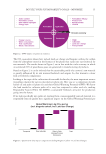
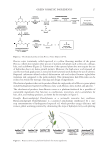
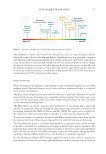
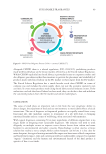
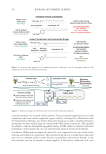
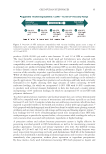
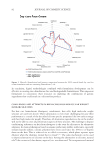
It is necessary to consider the complete useful life from feedstock sourcing to ingredient
manufacture, to ingredient shipping and handling, to finished product manufacture, to
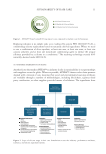
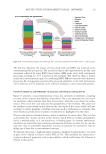
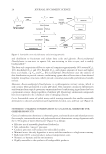
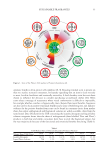
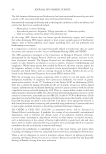
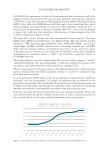
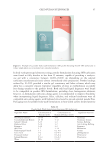
consumer use, to end-of-life, and reincarnation if possible (Figure 1).
J. Cosmet. Sci., 76.1, 25–31 (January/February 2025)
*Address all correspondence to Michael J. Fevola, mfevola@inolex.com
Toward Authentically Green Cosmetic Ingredients: Life Cycle
Thinking to Improve Sustainability From Cradle to Grave
MICHAEL J. FEVOLA, LISA GANDOLFI AND AUDREY WESSON
INOLEX, Philadelphia, PA, USA (M.F., L.G., A.W.)
Accepted for publication January 28, 2025.
Synopsis
The purpose of this article is to identify key points in the ingredient life cycle where sustainability
improvements can contribute to holistically reducing the overall impact of material. These points will be
articulated by providing examples of ingredient innovation that have been driven by the application of Green
Chemistry, Green Engineering, and sustainable design principles.
INTRODUCTION
Sustainability has become a crucial focus in the sourcing, manufacturing, and supply of
ingredients, with the aim of maintaining health, reducing negative environmental and
societal impacts, and promoting long term ecological conservation. The ingredient life
cycle encompasses the stages from raw material sourcing to end-of-life fate. The concept
of the “circular economy” emphasizes the aspiration of continually (re)using resources
to minimize waste and to increase sustainability. By examining examples of ingredient
innovation influenced by the application of life cycle and environmental impact thinking,
we aim to highlight practical strategies for creating a more sustainable future.
THE PHILOSOPHY OF SUSTAINABILITY
The philosophy of sustainability is more than just the sum of its parts, and designers
and manufacturers of certified natural ingredients must consider how product life cycles
integrate to bring holistic value and improve sustainability profiles across ingredient lines.
It is necessary to consider the complete useful life from feedstock sourcing to ingredient
manufacture, to ingredient shipping and handling, to finished product manufacture, to
consumer use, to end-of-life, and reincarnation if possible (Figure 1).