38 JOURNAL OF COSMETIC SCIENCE
threshold that leads to excessive growth of algae and cyanobacteria, avoiding the effects of
eutrophication.
Whilst few companies today track water footprint, we can assume that it will come into
focus once carbon foot printing is more routine and reporting required. A review of the
relative water footprint of different crops can be found in the article of Mekonnen and
Hoekstra [22]. Rising temperatures and shifting weather patterns directly impact the
viability and yields of naturals used by the fragrance industry recurrent droughts in South
Africa and an extended drought (2023–24) in South America have already led to a loss of
production, with the 2024 orange crop in Brazil one of the smallest since the 1980s. A
prolonged dry period in Indonesia during 2023–24 has impacted patchouli oil availability.
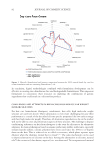
The notion that changing weather patterns will have a significant future impact has been
highlighted in the World Economic Forum Global Risk Analysis 2025 [23] based on a
survey of over 900 experts. They estimate that in 2035, 10 years from now, the highest
risks are all environmental: Extreme weather events, Critical changes to Earth systems,
Biodiversity loss and ecosystem collapse, and natural resources shortage.
AIR POLLUTION
Volatile Organic Compounds (VOCs) emitted from fragrance containing products can
contribute to indoor and outdoor environmental pollution. In the USA, The California Air
Resources Board (CARB) sets restrictions with Consumer Products Regulations covering
a range of personal care and home care product categories to reduce outdoor pollution.
The initial driver for the legislation was the connection between VOCs, ozone and smog
impacting California. The Regulations are concerned with restricting volatiles with a
vapour pressure of 0.1mmHg at 20°C, and currently fragrances have benefitted from
a number of exemptions nevertheless, many manufacturers of Air Care products have
reformulated some products to use low vapour pressure solvents. In general, the limits
on VOCs are increasing over time and for example, from January 2023 personal fragrance
products were restricted to a maximum of 70% VOC (i.e. ethanol), and from January 2031
this restriction becomes a maximum of 50% VOC (i.e. ethanol) up to the 10% fragrance
level [24]. This will certainly lead to reformulation of products such as body mists.
The Directive (EU) 2024/2881 on ambient air quality and cleaner air for Europe (recast),
known as the AAQD, was finalised in 2024. In the Directive, ‘ambient air’ is defined as
meaning outdoor air in the troposphere. The AAQD revises earlier Directives concerning
air pollutants and is part of the zero pollution ambition of the Green Deal. In addition to
the concerns behind the CARB legislation the Directive is concerned about the impact
of air pollutants on human health. It aligns air quality standards more closely with the
recommendations of the World Health Organization (WHO) [25, 26] setting limits to be
attained by 2026 and 2030 in.particular.
More specifically the Directive includes limits for benzene (5 µg/m3 by 2026, 3.4 µg/m3
by 2030) and particulate matter, whilst earlier legislation sets limits for formaldehyde.
Furthermore, the WHO has stated “indoor air is a significant source of benzene exposure …
Benzene is a genotoxic carcinogen … no reason that the guidelines for indoor air should differ
from ambient air guidelines” [26]. A guideline (maximum) air concentration 1.7 µg/m3 was
calculated corresponding to an excess lifetime risk of leukemia of 1/100,000. Concerning
fragranced products, burning candles and incense sticks are the most problematic sources of
threshold that leads to excessive growth of algae and cyanobacteria, avoiding the effects of
eutrophication.
Whilst few companies today track water footprint, we can assume that it will come into
focus once carbon foot printing is more routine and reporting required. A review of the
relative water footprint of different crops can be found in the article of Mekonnen and
Hoekstra [22]. Rising temperatures and shifting weather patterns directly impact the
viability and yields of naturals used by the fragrance industry recurrent droughts in South
Africa and an extended drought (2023–24) in South America have already led to a loss of
production, with the 2024 orange crop in Brazil one of the smallest since the 1980s. A
prolonged dry period in Indonesia during 2023–24 has impacted patchouli oil availability.
The notion that changing weather patterns will have a significant future impact has been
highlighted in the World Economic Forum Global Risk Analysis 2025 [23] based on a
survey of over 900 experts. They estimate that in 2035, 10 years from now, the highest
risks are all environmental: Extreme weather events, Critical changes to Earth systems,
Biodiversity loss and ecosystem collapse, and natural resources shortage.
AIR POLLUTION
Volatile Organic Compounds (VOCs) emitted from fragrance containing products can
contribute to indoor and outdoor environmental pollution. In the USA, The California Air
Resources Board (CARB) sets restrictions with Consumer Products Regulations covering
a range of personal care and home care product categories to reduce outdoor pollution.
The initial driver for the legislation was the connection between VOCs, ozone and smog
impacting California. The Regulations are concerned with restricting volatiles with a
vapour pressure of 0.1mmHg at 20°C, and currently fragrances have benefitted from
a number of exemptions nevertheless, many manufacturers of Air Care products have
reformulated some products to use low vapour pressure solvents. In general, the limits
on VOCs are increasing over time and for example, from January 2023 personal fragrance
products were restricted to a maximum of 70% VOC (i.e. ethanol), and from January 2031
this restriction becomes a maximum of 50% VOC (i.e. ethanol) up to the 10% fragrance
level [24]. This will certainly lead to reformulation of products such as body mists.
The Directive (EU) 2024/2881 on ambient air quality and cleaner air for Europe (recast),
known as the AAQD, was finalised in 2024. In the Directive, ‘ambient air’ is defined as
meaning outdoor air in the troposphere. The AAQD revises earlier Directives concerning
air pollutants and is part of the zero pollution ambition of the Green Deal. In addition to
the concerns behind the CARB legislation the Directive is concerned about the impact
of air pollutants on human health. It aligns air quality standards more closely with the
recommendations of the World Health Organization (WHO) [25, 26] setting limits to be
attained by 2026 and 2030 in.particular.
More specifically the Directive includes limits for benzene (5 µg/m3 by 2026, 3.4 µg/m3
by 2030) and particulate matter, whilst earlier legislation sets limits for formaldehyde.
Furthermore, the WHO has stated “indoor air is a significant source of benzene exposure …
Benzene is a genotoxic carcinogen … no reason that the guidelines for indoor air should differ
from ambient air guidelines” [26]. A guideline (maximum) air concentration 1.7 µg/m3 was
calculated corresponding to an excess lifetime risk of leukemia of 1/100,000. Concerning
fragranced products, burning candles and incense sticks are the most problematic sources of