50 JOURNAL OF COSMETIC SCIENCE
Reviewing briefly the seven areas of highlighted concern which primarily concern fragrance
ingredients rather than the compounding activity or ingredient manufacture:
– There is a clear way forward to reduce carbon footprint of fragrances, especially
concerning final product footprint, even if a path to the more ambitious targets being
set is less clear without significant reformulation and eventually using offsets. Of
the four strategies outlined, reducing level of use by compaction is likely to have the
biggest impact, followed by replacing virgin fossil. One issue that will need to be
tackled is how to share cost across the value chain, as many of the lower footprint
ingredient options are, at least today, more expensive.
– Water footprint is in general an emerging topic, and at this stage the industry is
mostly at the stage of gathering data for the natural products it uses.
– Air pollution can impact both the environment and human health and will be subject
to stricter standards in the coming years which will impact certain product categories.
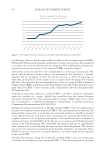
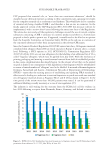
– Concerning deforestation and biodiversity, there has been a marked improvement
in the availability of RSPO-MB certified palm derivatives in recent years. Even if
this does not meet the impending requirements of EUDR, it is a step in the right
direction. For timber related products, the situation is more geographical, with Asia
remaining the region where certified forestry remains more limited. Progress on
biodiversity in the broader sense has been more challenging, and there is still work to
be done on agreeing metrics.
– Human safety has been a concern of the industry for decades and managed through a set
of continuously updated standards accepted by the entire value chain. Good intentions
of different authorities, like the REACH Regulation, with the aim to better protect
workers exposed to undiluted chemicals in a factory environment, combined with the
precautionary principle, are no longer being applied reasonably. The ability to draw on
ever more sophisticated and detailed methodology to identify potential risks and the
ability to detect the presence of substances at ever lower concentrations, leads to more
and more materials being given a hazard classification or restricted by default. Hazard
classifications are being used aggressively by the authorities, pushed by NGOs and the
risk of litigation, in a zero-risk approach. Unfortunately, zero-risk does not exist. The
cost and time taken to provide evidence that a risk can be managed is outpaced by the
rate at which risks can be identified, accelerated by “read across”. If we do not manage to
re-establish a better balance between hazard and risk the industry faces a bleak future.
– Environmental safety has been a secondary priority to human safety in terms of
fragrance industry actions. The fate of fragrance ingredients in the environment is
a key concern and the REACH requirements led to a step increase in the number of
chemical substances with a hazard classification. This process has effectively managed
the level of use of materials with an aquatic toxicity classification in detergent and
cleaning products, as manufacturers are reluctant to have certain warning phrases
and/or symbols on pack. The desire for “biodegradable” claims and less polluting
products has increased the focus on ingredients which are readily or inherently/
ultimately biodegradable. This has led to both retesting the biodegradability of certain
substances with more rigour, and biodegradability as a driver if not requirement for
new fragrance material development. There seems room for an additional category
of biodegradability between “inherently/ultimately” and “not biodegradable” which
would satisfy both commercial and environmental concerns. Concerning synthetic
microplastics the industry is developing innovative, biodegradable, solutions ahead of
the implementation date for European restrictions.
Reviewing briefly the seven areas of highlighted concern which primarily concern fragrance
ingredients rather than the compounding activity or ingredient manufacture:
– There is a clear way forward to reduce carbon footprint of fragrances, especially
concerning final product footprint, even if a path to the more ambitious targets being
set is less clear without significant reformulation and eventually using offsets. Of
the four strategies outlined, reducing level of use by compaction is likely to have the
biggest impact, followed by replacing virgin fossil. One issue that will need to be
tackled is how to share cost across the value chain, as many of the lower footprint
ingredient options are, at least today, more expensive.
– Water footprint is in general an emerging topic, and at this stage the industry is
mostly at the stage of gathering data for the natural products it uses.
– Air pollution can impact both the environment and human health and will be subject
to stricter standards in the coming years which will impact certain product categories.
– Concerning deforestation and biodiversity, there has been a marked improvement
in the availability of RSPO-MB certified palm derivatives in recent years. Even if
this does not meet the impending requirements of EUDR, it is a step in the right
direction. For timber related products, the situation is more geographical, with Asia
remaining the region where certified forestry remains more limited. Progress on
biodiversity in the broader sense has been more challenging, and there is still work to
be done on agreeing metrics.
– Human safety has been a concern of the industry for decades and managed through a set
of continuously updated standards accepted by the entire value chain. Good intentions
of different authorities, like the REACH Regulation, with the aim to better protect
workers exposed to undiluted chemicals in a factory environment, combined with the
precautionary principle, are no longer being applied reasonably. The ability to draw on
ever more sophisticated and detailed methodology to identify potential risks and the
ability to detect the presence of substances at ever lower concentrations, leads to more
and more materials being given a hazard classification or restricted by default. Hazard
classifications are being used aggressively by the authorities, pushed by NGOs and the
risk of litigation, in a zero-risk approach. Unfortunately, zero-risk does not exist. The
cost and time taken to provide evidence that a risk can be managed is outpaced by the
rate at which risks can be identified, accelerated by “read across”. If we do not manage to
re-establish a better balance between hazard and risk the industry faces a bleak future.
– Environmental safety has been a secondary priority to human safety in terms of
fragrance industry actions. The fate of fragrance ingredients in the environment is
a key concern and the REACH requirements led to a step increase in the number of
chemical substances with a hazard classification. This process has effectively managed
the level of use of materials with an aquatic toxicity classification in detergent and
cleaning products, as manufacturers are reluctant to have certain warning phrases
and/or symbols on pack. The desire for “biodegradable” claims and less polluting
products has increased the focus on ingredients which are readily or inherently/
ultimately biodegradable. This has led to both retesting the biodegradability of certain
substances with more rigour, and biodegradability as a driver if not requirement for
new fragrance material development. There seems room for an additional category
of biodegradability between “inherently/ultimately” and “not biodegradable” which
would satisfy both commercial and environmental concerns. Concerning synthetic
microplastics the industry is developing innovative, biodegradable, solutions ahead of
the implementation date for European restrictions.