27 Green Cosmetic Ingredients
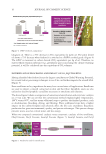
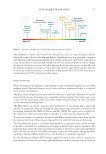
Brassica napus (commonly called rapeseed) is a yellow flowering member of the genus
Brassica, which also includes other species of nutrient-rich plants such as broccoli, cabbage,
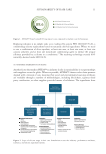
kale, and cauliflower (Figure 2). Cultivation of the rapeseed plant does not require the use
of herbicides due to its dense growth pattern. Moreover, the high-erucic acid rapeseed oil
used for non-food applications is extracted from harvested seeds without the use of solvents.
Rapeseed cultivation offered reduced deforestation risk and reduced human rights/labor
violations risk compared to the palm industry. This demonstrates how ESG risks can be
reduced or avoided by strategic sourcing and design of ingredients.
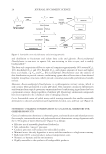
Oleochemical products that can be produced from the triglyceride oils of Brassica genus plants
include hydrogenated rapeseed oil, Brassica fatty acids, Brassica fatty alcohol, and glycerin. 5
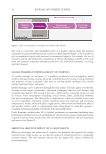
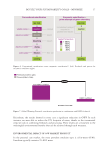
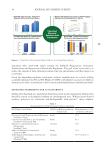
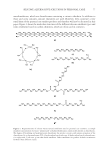
The oleochemical products from Brassica serve as a platform feedstock for a portfolio of
sustainable ingredients that function as conditioners, texturizers, and co-emulsifiers for
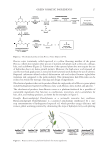
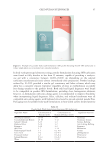
hair, skin, and makeup products, as shown by the examples in Figure 3.
Example: Brassicamidopropyl Dimethylamine as a sustainable innovative hair conditioner.
Brassicamidopropyl Dimethylamine is a patented amidoamine synthesized by a one-
step transamination of hydrogenated rapeseed oil, which provides energy efficiency and
reduces global warming potential by eliminating the steps of hydrolytic fatty acid splitting
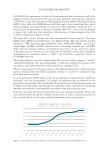
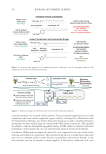
Figure 2. Oleochemical products from Brassica Napus (Rapeseed) Oil.
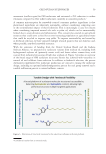
Figure 3. Brassica serves as a platform feedstock for many ingredients.
Brassica napus (commonly called rapeseed) is a yellow flowering member of the genus
Brassica, which also includes other species of nutrient-rich plants such as broccoli, cabbage,
kale, and cauliflower (Figure 2). Cultivation of the rapeseed plant does not require the use
of herbicides due to its dense growth pattern. Moreover, the high-erucic acid rapeseed oil
used for non-food applications is extracted from harvested seeds without the use of solvents.
Rapeseed cultivation offered reduced deforestation risk and reduced human rights/labor
violations risk compared to the palm industry. This demonstrates how ESG risks can be
reduced or avoided by strategic sourcing and design of ingredients.
Oleochemical products that can be produced from the triglyceride oils of Brassica genus plants
include hydrogenated rapeseed oil, Brassica fatty acids, Brassica fatty alcohol, and glycerin. 5
The oleochemical products from Brassica serve as a platform feedstock for a portfolio of
sustainable ingredients that function as conditioners, texturizers, and co-emulsifiers for
hair, skin, and makeup products, as shown by the examples in Figure 3.
Example: Brassicamidopropyl Dimethylamine as a sustainable innovative hair conditioner.
Brassicamidopropyl Dimethylamine is a patented amidoamine synthesized by a one-
step transamination of hydrogenated rapeseed oil, which provides energy efficiency and
reduces global warming potential by eliminating the steps of hydrolytic fatty acid splitting
Figure 2. Oleochemical products from Brassica Napus (Rapeseed) Oil.
Figure 3. Brassica serves as a platform feedstock for many ingredients.