32
J. Cosmet. Sci., 76.1, 32–55 (January/Febuary 2025)
*Address all correspondence to Jonathan Warr, jonathan_warr@takasago.com
Sustainability in the Context of Fragrances
JONATHAN WARR
Takasago Europe Perfumery Laboratory Sarl, Paris, France (J.W.)
Accepted for publication August 8, 2024.
Synopsis
The sense of smell is vital for survival and enjoying life to the fullest. Experiencing fragrance and fragranced
products allows unpleasant smells to be more bearable, reassures about cleanliness, brings self-confidence,
and stirs emotional memories, which enriches our lives. A key question for the fragrance industry is how it
can it be more sustainable in the future. In this article, seven aspects are discussed: carbon footprint, water
footprint, air pollution, deforestation and biodiversity, human safety, environmental safety and human ethical
considerations all inherent to making the fragrance industry more sustainable.
INTRODUCTION
The need for action to ensure a sustainable future for mankind is unquestionable and urgent.
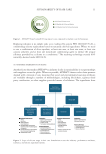
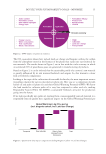
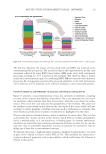
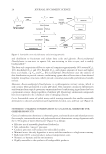
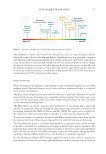
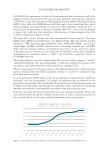
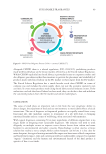
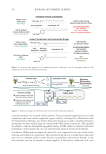
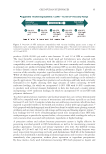
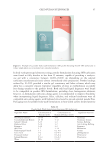
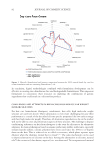
In 2009, Rockström with a team of collaborators [1] defined the planetary boundaries
concept, which presents a set of nine planetary boundaries within which humanity can
continue to develop and thrive for generations to come. In the latest 2024 assessment by the
Stockholm Resilience Centre at Stockholm University, six of the nine boundaries have now
been crossed [2] compared to three in 2009 and four in 2015 of the seven assessed as seen
in Figure 1. In their Emissions Gap Report 2024, the UN Environment Programme makes
a call for immediate action concerning climate change pledges, if the Paris Agreement to
limit global warming to 1.5°C is to be achieved [3].
The first question to ask concerning the sustainability of anything is whether it is needed
at all, as the most sustainable practice is not to consume unnecessary products. If we
go one step further, we can ask if being able to smell is important. The answer to this
question is undoubtedly yes smell plays a critical role for survival, in particular our ability
to smell if food is suitable for consumption [4]. This sensitivity to malodorous substances
has been harnessed for domestic natural gas supply, where trace amounts of methane thiol,
identified with rotten eggs, are added to help consumers identify quickly if there is a
release of gas at home. Beyond the life-threatening aspects there is a growing body of
evidence that the ability to smell is associated with quality of life [5], and that inability to
smell can be linked to depression [6, 7]. The positive impact of fragrance can come from
more functional benefits such as malodour control, for example in deodorants, where the
J. Cosmet. Sci., 76.1, 32–55 (January/Febuary 2025)
*Address all correspondence to Jonathan Warr, jonathan_warr@takasago.com
Sustainability in the Context of Fragrances
JONATHAN WARR
Takasago Europe Perfumery Laboratory Sarl, Paris, France (J.W.)
Accepted for publication August 8, 2024.
Synopsis
The sense of smell is vital for survival and enjoying life to the fullest. Experiencing fragrance and fragranced
products allows unpleasant smells to be more bearable, reassures about cleanliness, brings self-confidence,
and stirs emotional memories, which enriches our lives. A key question for the fragrance industry is how it
can it be more sustainable in the future. In this article, seven aspects are discussed: carbon footprint, water
footprint, air pollution, deforestation and biodiversity, human safety, environmental safety and human ethical
considerations all inherent to making the fragrance industry more sustainable.
INTRODUCTION
The need for action to ensure a sustainable future for mankind is unquestionable and urgent.
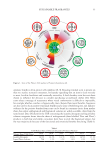
In 2009, Rockström with a team of collaborators [1] defined the planetary boundaries
concept, which presents a set of nine planetary boundaries within which humanity can
continue to develop and thrive for generations to come. In the latest 2024 assessment by the
Stockholm Resilience Centre at Stockholm University, six of the nine boundaries have now
been crossed [2] compared to three in 2009 and four in 2015 of the seven assessed as seen
in Figure 1. In their Emissions Gap Report 2024, the UN Environment Programme makes
a call for immediate action concerning climate change pledges, if the Paris Agreement to
limit global warming to 1.5°C is to be achieved [3].
The first question to ask concerning the sustainability of anything is whether it is needed
at all, as the most sustainable practice is not to consume unnecessary products. If we
go one step further, we can ask if being able to smell is important. The answer to this
question is undoubtedly yes smell plays a critical role for survival, in particular our ability
to smell if food is suitable for consumption [4]. This sensitivity to malodorous substances
has been harnessed for domestic natural gas supply, where trace amounts of methane thiol,
identified with rotten eggs, are added to help consumers identify quickly if there is a
release of gas at home. Beyond the life-threatening aspects there is a growing body of
evidence that the ability to smell is associated with quality of life [5], and that inability to
smell can be linked to depression [6, 7]. The positive impact of fragrance can come from
more functional benefits such as malodour control, for example in deodorants, where the