21 Bottle Your Sustainability Goals – Minimize
excluded these applications from their 2023 limits on VOCs due to the advocacy by the
Personal Care Product Council and the Personal Care industry.
The GWP is a metric that enables comparisons of the warming impacts of various gases. It
measures the amount of energy that the emissions of one ton of gas will absorb over a specific
period, relative to the emissions of one ton of carbon dioxide (CO
2
)over that period, with
one hundred years being the typical time frame used for GWPs. GWPs provide a common
unit of measure, allowing analysts to combine emissions estimates of different gases and
policymakers to compare emissions reduction opportunities across sectors and gases.
In the personal care industry, the four common VOC solvents used are ethanol, isobutane,
propane, and butane. Carbon dioxide is used as the common unit of measure. As we have
seen with esterification, the feedstock utilized influences the Global Warming Potential.
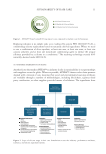
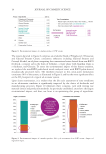
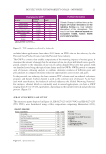
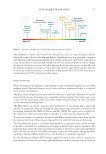
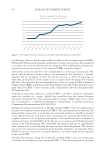
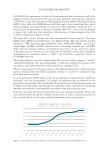
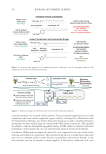
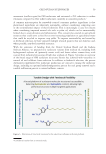
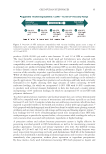
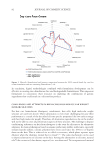
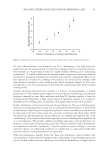
For instance, ethanol, which is commonly used in aerosol applications, can have a GWP
ranging from 0.5 to 5.5 CO
2
equivalents, depending on the initial feedstock and production
process. (Figure 13)
SPRAY SUNSCREEN CASE STUDY
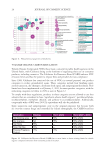
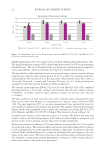
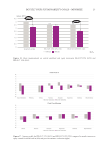
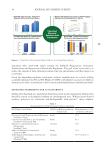
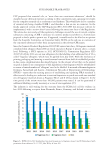
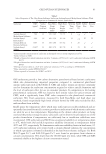
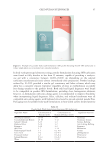
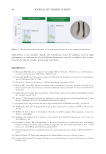
The sunscreen sprays depicted in Figure 14, EK-6127-1254 (62% VOC) and EK-6127-1255
(55% VOC), were formulated using a filter composition comprising Homosalate (10%),
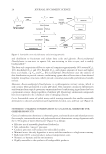
Figure 13. VOC examples are affected by feedstocks.
Figure 14. Spray sunscreen.
excluded these applications from their 2023 limits on VOCs due to the advocacy by the
Personal Care Product Council and the Personal Care industry.
The GWP is a metric that enables comparisons of the warming impacts of various gases. It
measures the amount of energy that the emissions of one ton of gas will absorb over a specific
period, relative to the emissions of one ton of carbon dioxide (CO
2
)over that period, with
one hundred years being the typical time frame used for GWPs. GWPs provide a common
unit of measure, allowing analysts to combine emissions estimates of different gases and
policymakers to compare emissions reduction opportunities across sectors and gases.
In the personal care industry, the four common VOC solvents used are ethanol, isobutane,
propane, and butane. Carbon dioxide is used as the common unit of measure. As we have
seen with esterification, the feedstock utilized influences the Global Warming Potential.
For instance, ethanol, which is commonly used in aerosol applications, can have a GWP
ranging from 0.5 to 5.5 CO
2
equivalents, depending on the initial feedstock and production
process. (Figure 13)
SPRAY SUNSCREEN CASE STUDY
The sunscreen sprays depicted in Figure 14, EK-6127-1254 (62% VOC) and EK-6127-1255
(55% VOC), were formulated using a filter composition comprising Homosalate (10%),
Figure 13. VOC examples are affected by feedstocks.
Figure 14. Spray sunscreen.