3 The 12 Principles of Green Chemistry
As mentioned above, this principle focuses on the health and environmental concerns of the
product itself. There are numerous examples available to mention. For illustration, sulfate-
based surfactants such as sodium lauryl sulfate and sodium laureth sulfate are typically
produced from petroleum and plant-derived palm oil. Advocates of sulfate-free formulation
typically cite dermal irritation31 and ecosystem damage (drinking water quality and
acidification of surface water and soil32). There are many biosurfactants alternatives from
microbial or plant origin that propose to be less toxic.33
Principle 5: The use of auxiliary substances (solvents, separation agents, etc.) should be
made unnecessary whenever possible and, when used, innocuous.
During the manufacture of cosmetic components, especially during extraction and chemical
synthesis, solvents are often the largest contributor to waste by both volume and waste. While
solid grinding techniques can trace their origin to antiquity, the field of mechanochemistry
has been vitalized recently as a new understanding at the molecular mechanistic level
has emerged. Mechanochemistry seeks to perform processes that typically use solvents
in the solid-state, using grinding and mixing equipment. Significant successes have been
accomplished in cosmetics.34 Essential oils have been extracted via mechanochemical
techniques from Citrus aurantium L. var. amara Engl.35 Another interesting example is
illustrated by the mechanochemical treatment of zinc oxide with phosphoric acid to make
white pigments.36
Principle 6: Energy requirements should be recognized for their environmental and
economic impacts, and should be minimized. Synthetic methods should be conducted at
ambient temperature and pressure.
The use of energy in manufacturing cosmetics is extensive. Heating and cooling chemical
reactions and evaporating water and other solvents are just a few examples where significant
energy is required to carry out processes.37 An extremely useful example of reducing this
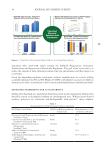
energy use has been well documented for cosmetic emulsions.38 In this example, the carbon
footprint of several alternative oil and water emulsion processes were evaluated. The authors
demonstrated that both O/W and W/O (oil in water, water in oil, respectively) systems could be
created under colder conditions with reformulation work. Energy savings can also be achieved
by designing surface modified particles that offer better stability under various conditions.39
Examples exist for proteins (collagen, elastic, silk, and keratin) and Polysaccharides (chitosan,
hyaluronic acid, alginate, xanthan gum, and carrageenan) materials.
Principle 7: A raw material or feedstock should be renewable rather than depleting
whenever technically and economically practical.
This principle is often misunderstood to focus solely on biobased polymers, it is important
to point out that materials that are recyclable or fit within a circular economic model also
fit here. There are, however, many examples of biobased alternative materials for cosmetic
applications.40 As a specific example, various biopolymers have been used for hydrogels.41
Another important aspect has been the use of biopolymers from waste biomass.42
Principle 8: Unnecessary derivatization (blocking group, protection/deprotection, temporary
modification of physical/chemical processes) should be avoided whenever possible.
There are several aspects of this principle. One focus is avoiding the use of protecting
groups in organic synthesis. Another important aspect is what is called noncovalent
derivatization where the properties of an active molecule are controlled through specific
noncovalent interactions.43 While this technology has many examples in pharmaceuticals,44
As mentioned above, this principle focuses on the health and environmental concerns of the
product itself. There are numerous examples available to mention. For illustration, sulfate-
based surfactants such as sodium lauryl sulfate and sodium laureth sulfate are typically
produced from petroleum and plant-derived palm oil. Advocates of sulfate-free formulation
typically cite dermal irritation31 and ecosystem damage (drinking water quality and
acidification of surface water and soil32). There are many biosurfactants alternatives from
microbial or plant origin that propose to be less toxic.33
Principle 5: The use of auxiliary substances (solvents, separation agents, etc.) should be
made unnecessary whenever possible and, when used, innocuous.
During the manufacture of cosmetic components, especially during extraction and chemical
synthesis, solvents are often the largest contributor to waste by both volume and waste. While
solid grinding techniques can trace their origin to antiquity, the field of mechanochemistry
has been vitalized recently as a new understanding at the molecular mechanistic level
has emerged. Mechanochemistry seeks to perform processes that typically use solvents
in the solid-state, using grinding and mixing equipment. Significant successes have been
accomplished in cosmetics.34 Essential oils have been extracted via mechanochemical
techniques from Citrus aurantium L. var. amara Engl.35 Another interesting example is
illustrated by the mechanochemical treatment of zinc oxide with phosphoric acid to make
white pigments.36
Principle 6: Energy requirements should be recognized for their environmental and
economic impacts, and should be minimized. Synthetic methods should be conducted at
ambient temperature and pressure.
The use of energy in manufacturing cosmetics is extensive. Heating and cooling chemical
reactions and evaporating water and other solvents are just a few examples where significant
energy is required to carry out processes.37 An extremely useful example of reducing this
energy use has been well documented for cosmetic emulsions.38 In this example, the carbon
footprint of several alternative oil and water emulsion processes were evaluated. The authors
demonstrated that both O/W and W/O (oil in water, water in oil, respectively) systems could be
created under colder conditions with reformulation work. Energy savings can also be achieved
by designing surface modified particles that offer better stability under various conditions.39
Examples exist for proteins (collagen, elastic, silk, and keratin) and Polysaccharides (chitosan,
hyaluronic acid, alginate, xanthan gum, and carrageenan) materials.
Principle 7: A raw material or feedstock should be renewable rather than depleting
whenever technically and economically practical.
This principle is often misunderstood to focus solely on biobased polymers, it is important
to point out that materials that are recyclable or fit within a circular economic model also
fit here. There are, however, many examples of biobased alternative materials for cosmetic
applications.40 As a specific example, various biopolymers have been used for hydrogels.41
Another important aspect has been the use of biopolymers from waste biomass.42
Principle 8: Unnecessary derivatization (blocking group, protection/deprotection, temporary
modification of physical/chemical processes) should be avoided whenever possible.
There are several aspects of this principle. One focus is avoiding the use of protecting
groups in organic synthesis. Another important aspect is what is called noncovalent
derivatization where the properties of an active molecule are controlled through specific
noncovalent interactions.43 While this technology has many examples in pharmaceuticals,44