15 Bottle Your Sustainability Goals – Minimize
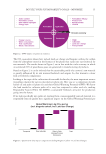
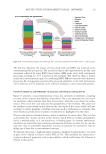
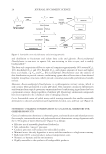
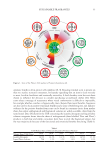
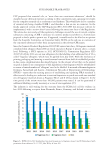
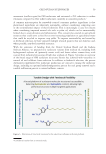
The CO
2
equivalents shown here include land use change and biogenic carbon, the carbon
from the atmosphere stored in the biomass of the plants that turns into our feedstock for
raw materials. The results shown in Figure 3 are in line with the circle economy in which
an estimated 62% of greenhouse gases are generated in manufacturing of products.
Based on Figure 3, it can be inferred that the sustainable profile of a cosmetic’s raw material
is greatly influenced by its raw material feedstock and origins. So, this warrants a closer
look at feedstock comparisons.
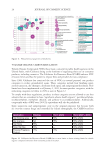
Looking at the topic of the cultivation of renewable feedstocks, the most important sources
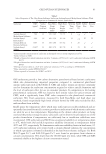
(regarding volumes) for our raw materials are plant oils. Here you see a comparison of palm
kernel oil and palm oil plant oils and their Global Warming Potential (GWP). We know
the land needed to cultivate palm oil is very low compared to other seed oils, making
Responsibly Sourced Palm Oil (RSPO) a sustainable feedstock attractive for production
going into the future.
If we look specifically into palm oil, moving from a non-responsibly sourced material to a
responsibly sourced quality has a significant impact on the Global Warming Potential per
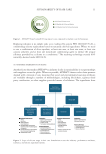
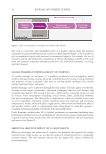
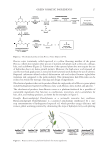
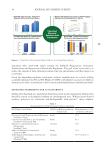
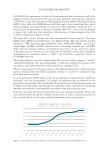
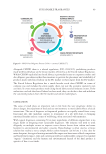
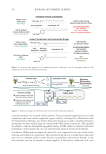
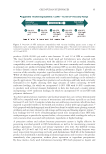
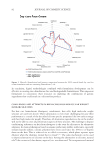
Figure 2. GWP impact categories in cosmetics.
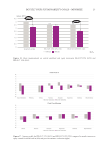
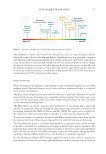
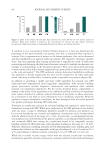
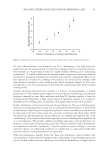
Figure 3. Quantitative CO2 impact categories (including Biogenic Carbon +Land Use Change.)
The CO
2
equivalents shown here include land use change and biogenic carbon, the carbon
from the atmosphere stored in the biomass of the plants that turns into our feedstock for
raw materials. The results shown in Figure 3 are in line with the circle economy in which
an estimated 62% of greenhouse gases are generated in manufacturing of products.
Based on Figure 3, it can be inferred that the sustainable profile of a cosmetic’s raw material
is greatly influenced by its raw material feedstock and origins. So, this warrants a closer
look at feedstock comparisons.
Looking at the topic of the cultivation of renewable feedstocks, the most important sources
(regarding volumes) for our raw materials are plant oils. Here you see a comparison of palm
kernel oil and palm oil plant oils and their Global Warming Potential (GWP). We know
the land needed to cultivate palm oil is very low compared to other seed oils, making
Responsibly Sourced Palm Oil (RSPO) a sustainable feedstock attractive for production
going into the future.
If we look specifically into palm oil, moving from a non-responsibly sourced material to a
responsibly sourced quality has a significant impact on the Global Warming Potential per
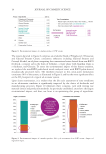
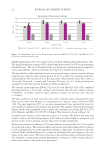
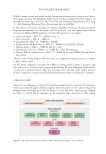
Figure 2. GWP impact categories in cosmetics.
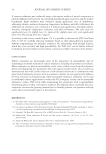
Figure 3. Quantitative CO2 impact categories (including Biogenic Carbon +Land Use Change.)